
/tcs/uploads/categories/20260106-09-59-00_2452a0ee-5d2f-4f0a-ad18-1d653e48926a.jpg)
/tcs/uploads/categories/20260106-09-24-54_fa149ae6-6b92-41a2-8c58-6872c3f98f46.jpg)
/tcs/uploads/categories/20260106-11-32-48_screenshot-2026-01-06-at-113031.png)
/tcs/uploads/categories/cycle-storage-cycle-lockers.jpeg)
/tcs/uploads/categories/20260105-16-55-46_screenshot-2026-01-05-at-165450.png)
/tcs/uploads/categories/20260106-09-51-52_img-1458.jpg)
/tcs/uploads/categories/cycle-storage-bike-pump-repair-stands.jpeg)
/tcs/uploads/categories/20260106-10-54-30_screenshot-2026-01-06-at-105210.png)
Why the UK’s Young People Deserve Better Cycling Infrastructure
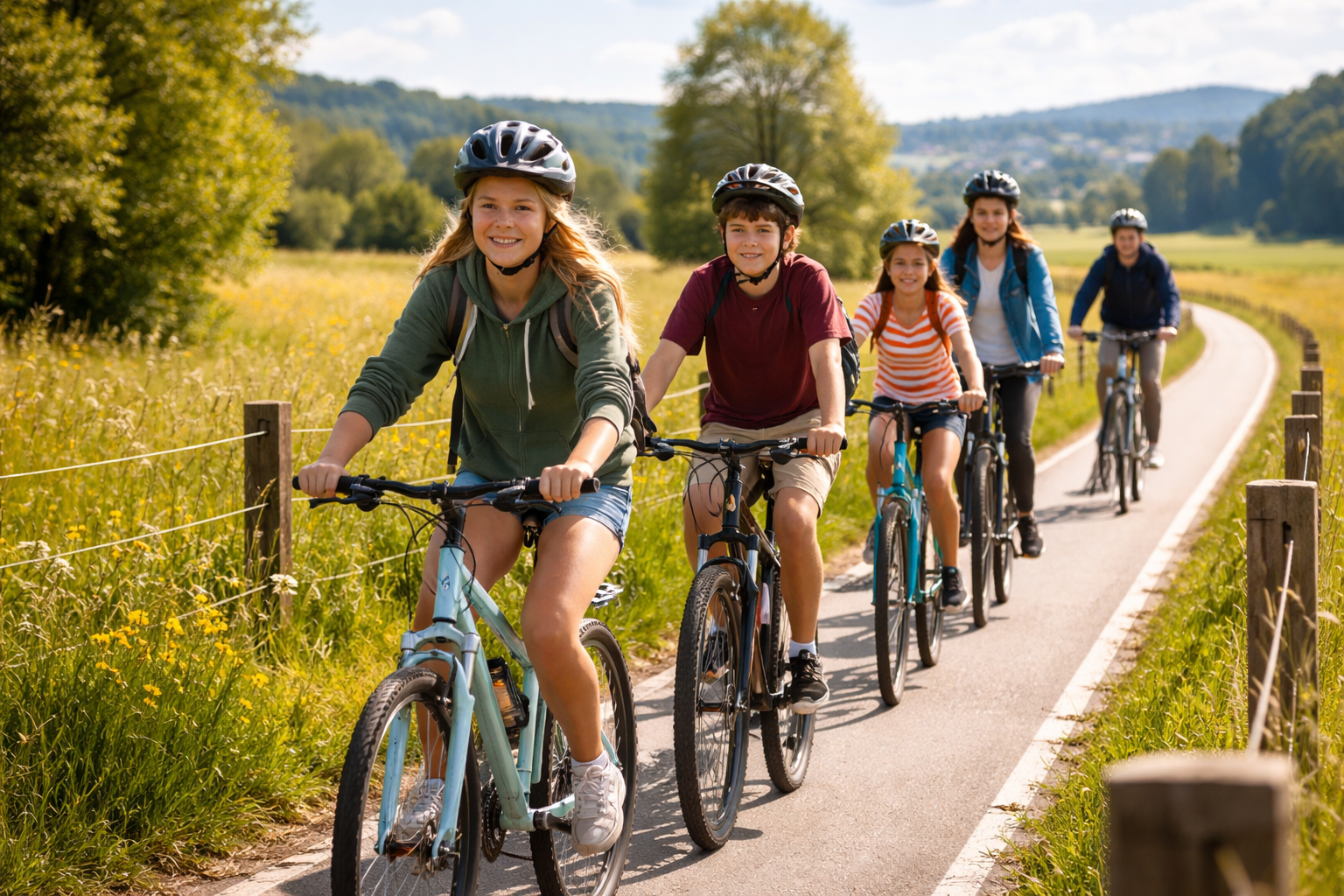
Why Our Youth Need Safe, Accessible Spaces Now More Than Ever
Across the United Kingdom, a shortage of safe, accessible places to cycle is holding back an entire generation.
Cycling offers freedom, fresh air, physical health and the simple joy of going somewhere under your own power as a kid. Yet for millions of children and teenagers across the UK, that freedom is effectively out of reach due to dangerous roads, disconnected cycle paths and infrastructure that was never really designed with youthful cyclists in mind.
Today’s young people are more health-conscious, environmentally aware and community minded than any generation before them. Research consistently shows that regular physical activity improves mental health, academic focus and social confidence in young people.
The problem is infrastructure. Too many of the UK’s cycling routes are poorly maintained, or run alongside roads that make even confident cyclists uncomfortable. A painted line on a busy A-road is not a safe space for a twelve year-old. A shared pavement that dissolves without warning is not an invitation to cycle. The contrast with our European neighbours is striking. In the Netherlands and Denmark, children cycle independently to school as a matter of routine, supported by networks of protected lanes, clear signage and roads built with a purpose. The result is not just healthier young people, it is more confident, more independent and more connected communities through cycling.
Active Travel England represents a genuine commitment to shifting how the country thinks about movement, but ambition at the national level must be matched by delivery at the local level which is where the gap remains widest. Safe cycling spaces offer a sense of belonging, they’re a protective factor for mental health and social connection. Youth cycling clubs and community programmes are already demonstrating this across the country, but these programmes can only reach so far when the infrastructure around them lets young riders down the moment they leave a session.
Creating a cycling culture that works for everyone starts with getting the fundamentals right. That means protected lanes that are physically separated from motor traffic, giving people the confidence to ride without feeling exposed. It means safe, direct routes that genuinely connect where people live to the places they need to go. Connections between schools, parks and town centres, rather than fragmented stretches that don’t quite join up. Infrastructure alone isn’t enough, cyclists also need to know that their bikes will be safe when they arrive, which is why secure, convenient cycle parking at destinations is essential.
Other articles:<Why the UK Can No Longer Afford To Ignore The Cycle Theft Epidemic »« Wakefield, UK

