/tcs/uploads/categories/20260106-09-59-00_2452a0ee-5d2f-4f0a-ad18-1d653e48926a.jpg)
/tcs/uploads/categories/20260106-09-24-54_fa149ae6-6b92-41a2-8c58-6872c3f98f46.jpg)
/tcs/uploads/categories/20260420-14-42-55_6x4-pent-2.jpeg)
/tcs/uploads/categories/cycle-storage-cycle-lockers.jpeg)
/tcs/uploads/categories/20260420-14-39-09_parkis-5.jpg)
/tcs/uploads/categories/20260106-09-51-52_img-1458.jpg)
/tcs/uploads/categories/cycle-storage-bike-pump-repair-stands.jpeg)
/tcs/uploads/categories/20260420-14-44-33_whatsapp-image-2026-02-24-at-131821-4.jpeg)
Wood Finish Options For Bike Shelters
Wood Finish Options Guide
Choosing The Right Finish For Your Project Makes All The Difference.
Why Timber Finish Matters
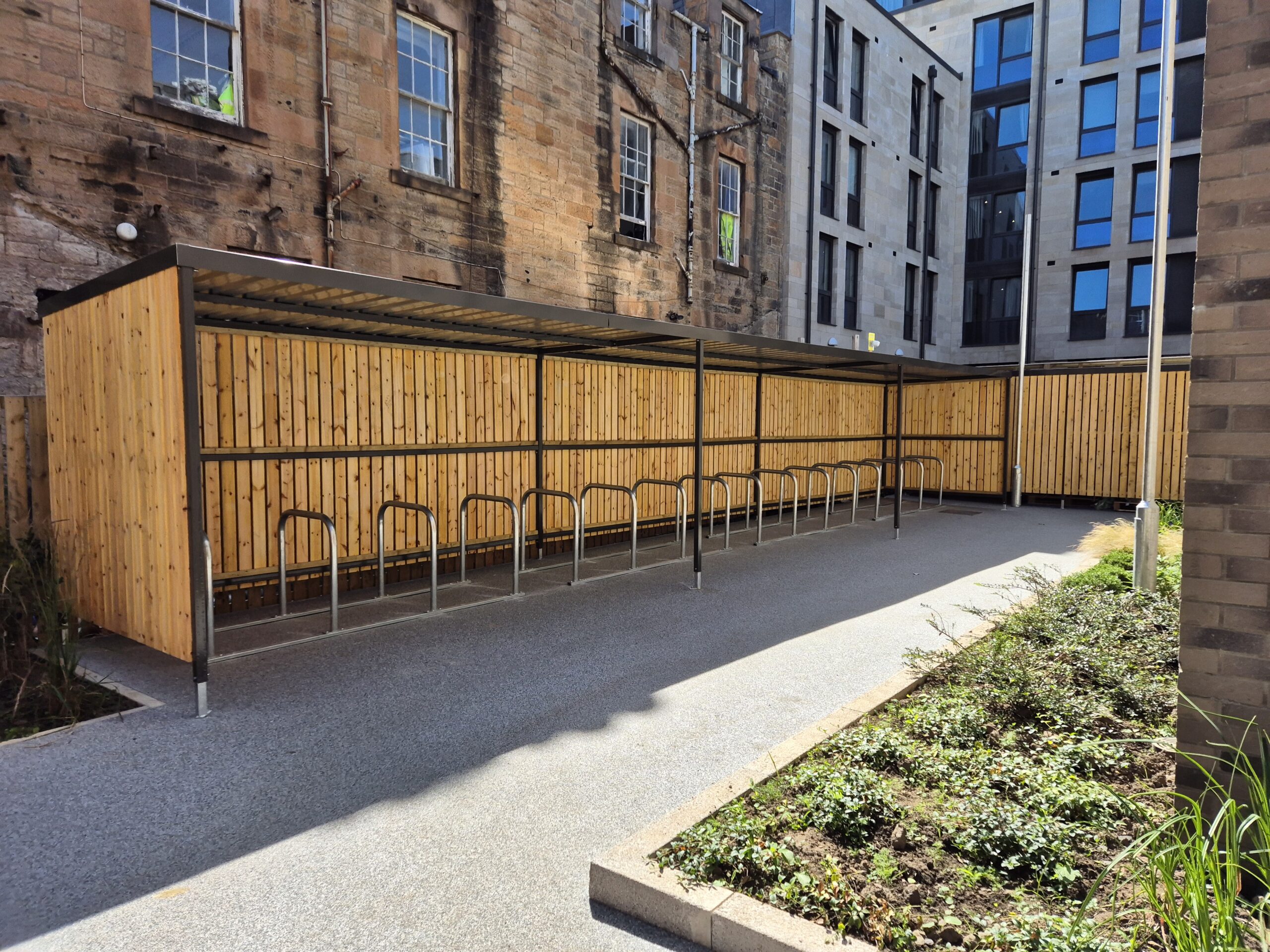
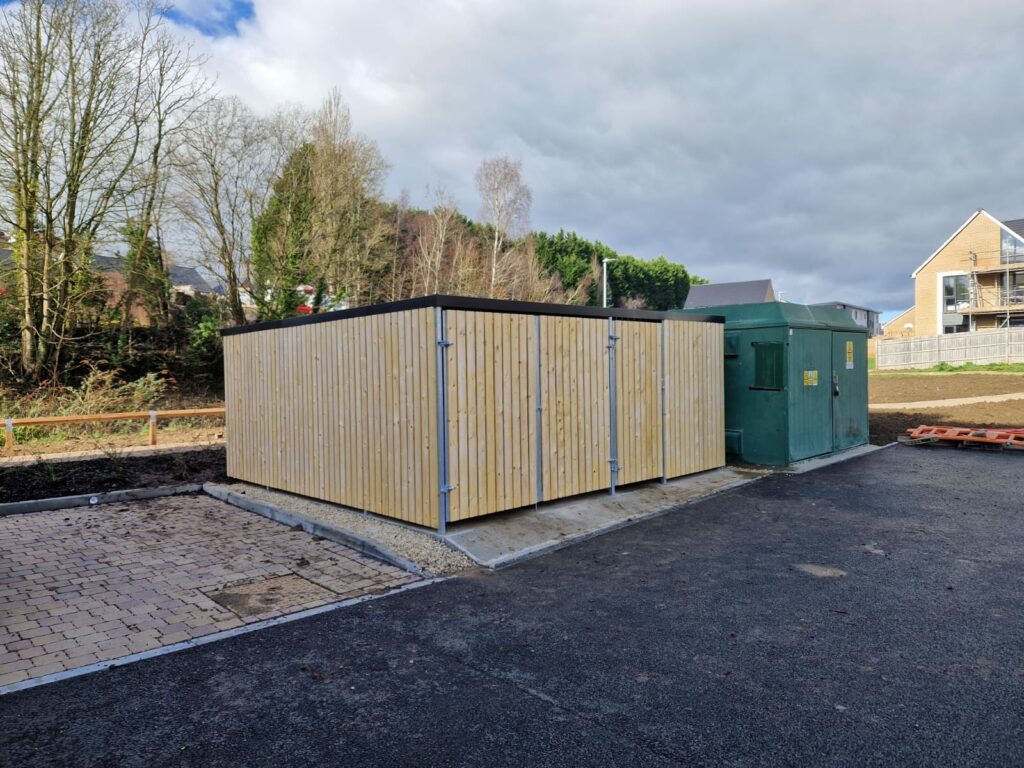
When specifying a bike shelter, the structural frame is only half the story. The cladding finish defines how a shelter sits within its environment, whether it blends seamlessly into a landscaped residential development, complements the heritage character of a school campus, or adds a clean aesthetic to a commercial courtyard.
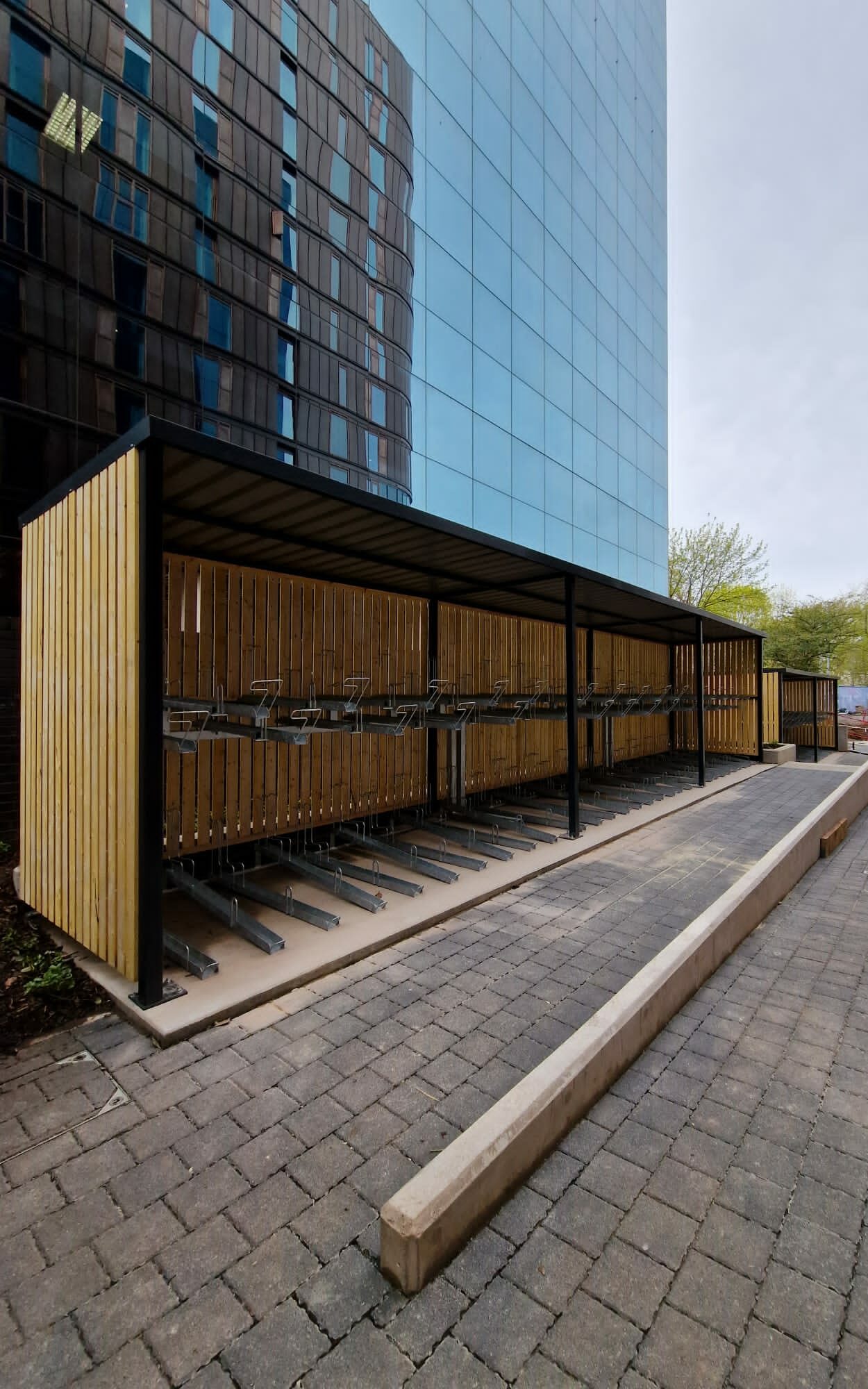
Our timber-clad bike shelters combine the structural integrity of a galvanised steel frame with the natural appeal of high-quality wood cladding. The result is a shelter offering cyclists covered, secure parking while enhancing the outdoor spaces they are placed in.
This guide covers the key wooden finish options available across our bike shelter range, so you can make the right choice for your site, your planning requirements, and your aesthetic goals.
Why Choose a Timber-Clad Bike Shelter?
Timber finishes are one of the most popular cladding choices for bike shelters across a wide range of sectors and for good reason:
Aesthetic versatility – Natural wood tones complement both contemporary and traditional architectural settings, making timber-clad shelters a practical choice for residential developments, schools, parks, healthcare sites, and commercial premises alike.
Planning friendliness – Timber finishes are widely accepted by local planning authorities and are often favoured for conservation areas, listed building settings, and green spaces where a more sympathetic material is required.
Environmental credentials – Many of our timber options use responsibly sourced wood, supporting sustainable building practices and contributing to BREEAM assessments and Green Plan targets.
Durability – Far from being a fragile material, properly treated timber cladding is resistant to weathering, warping and decay. When combined with our galvanised steel frame structures, these shelters are built to last.
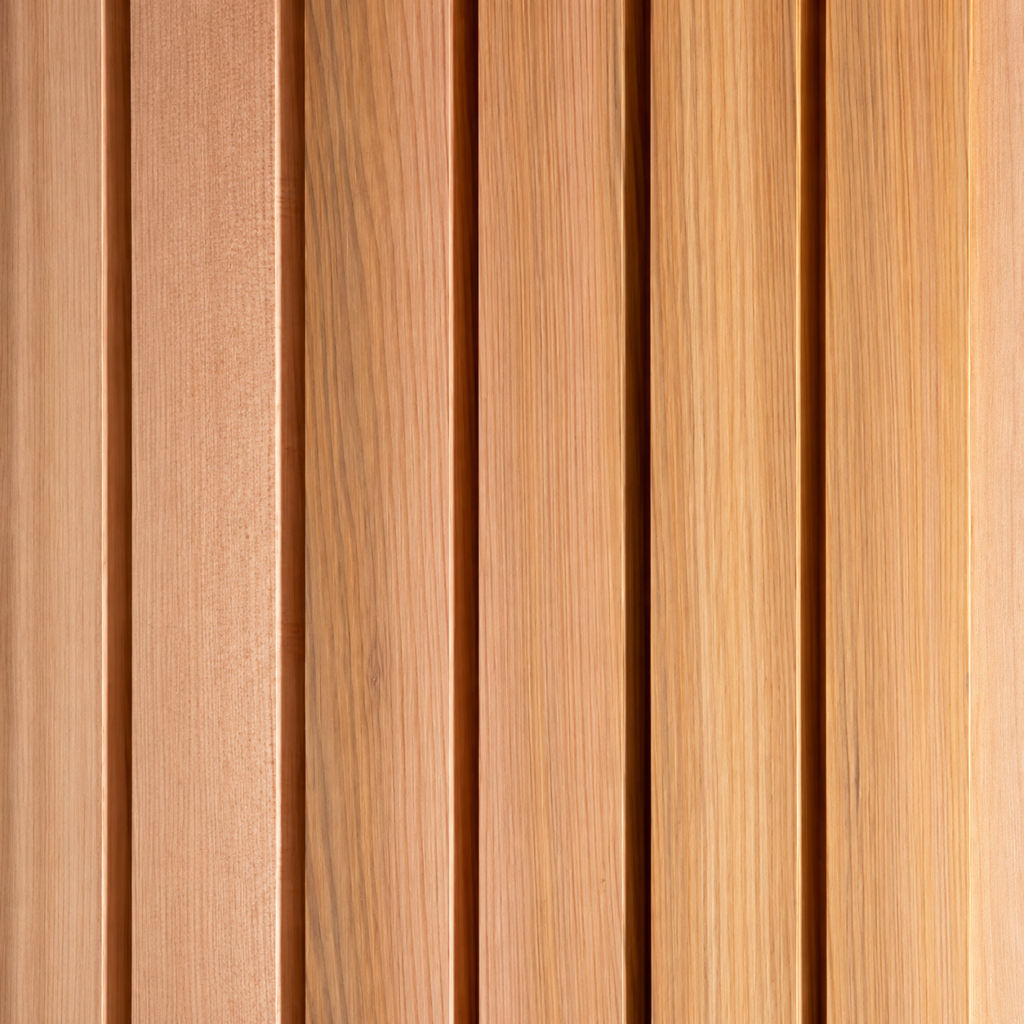
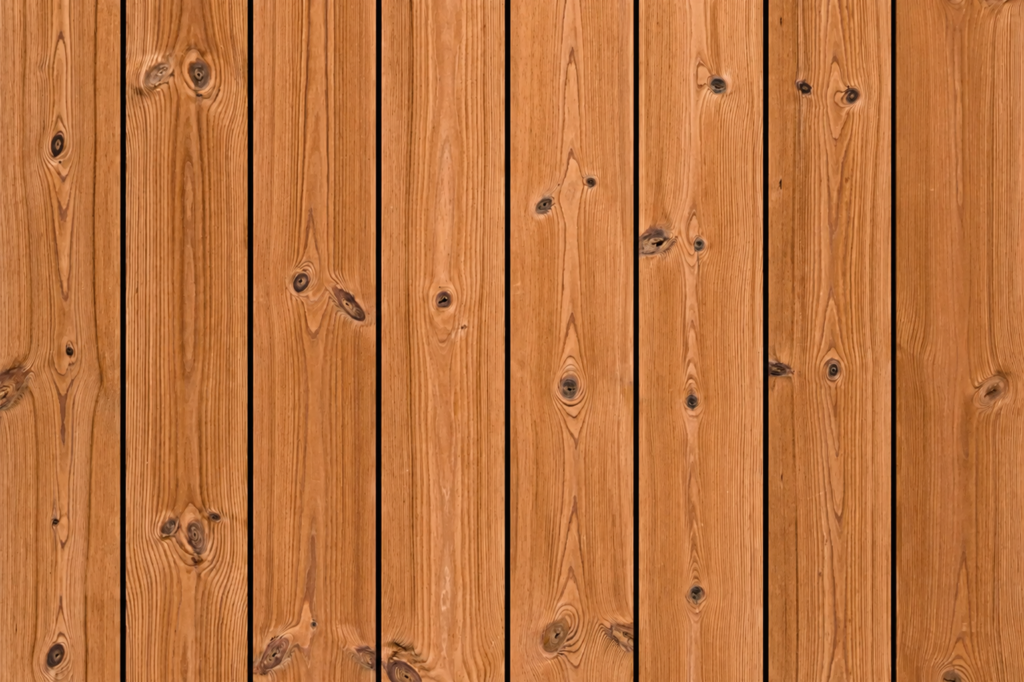
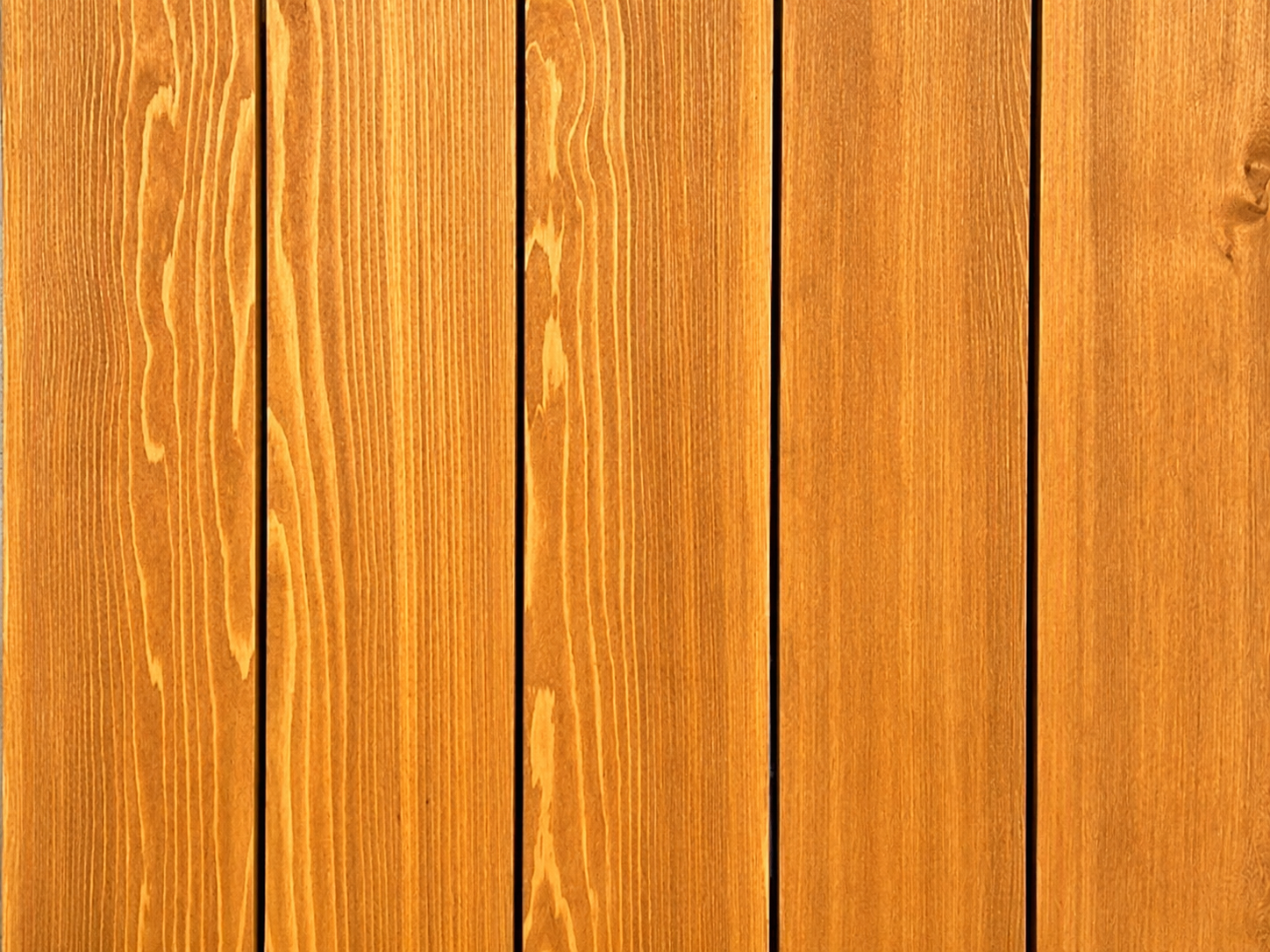
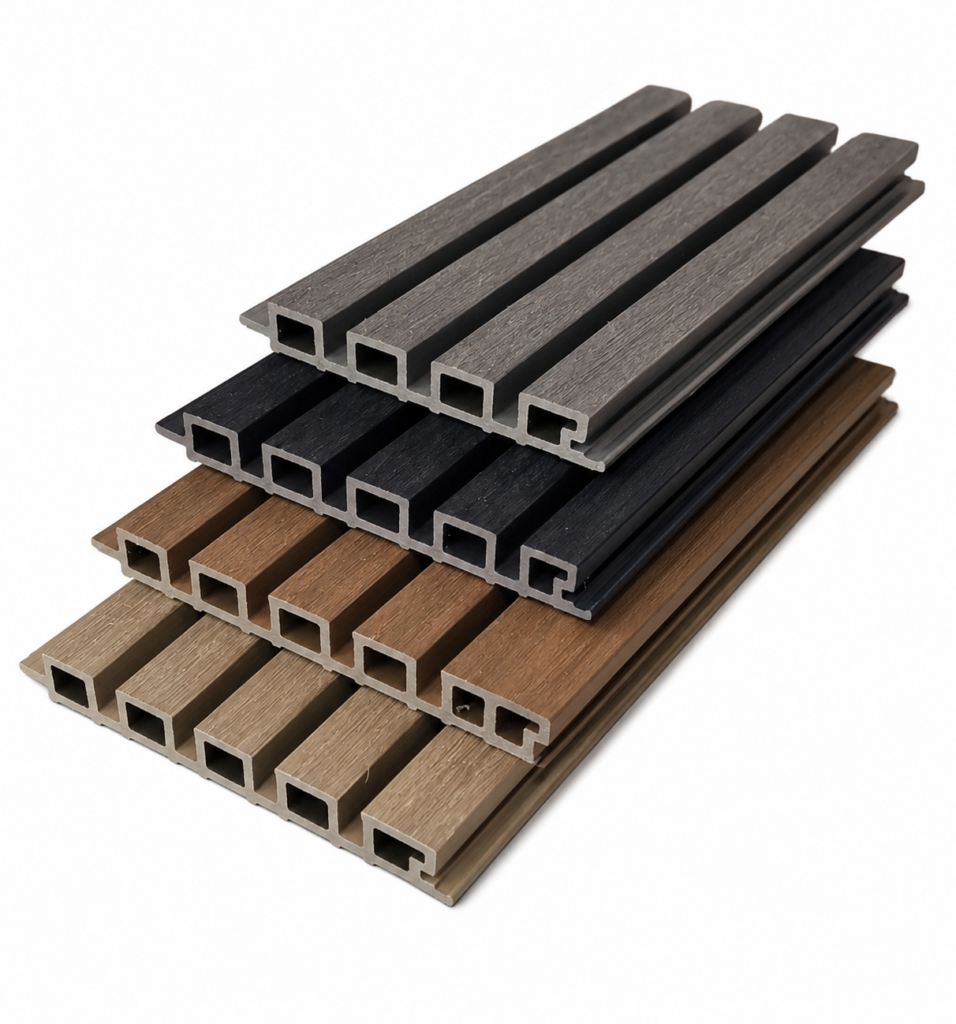
Timber & Cladding Finish Options
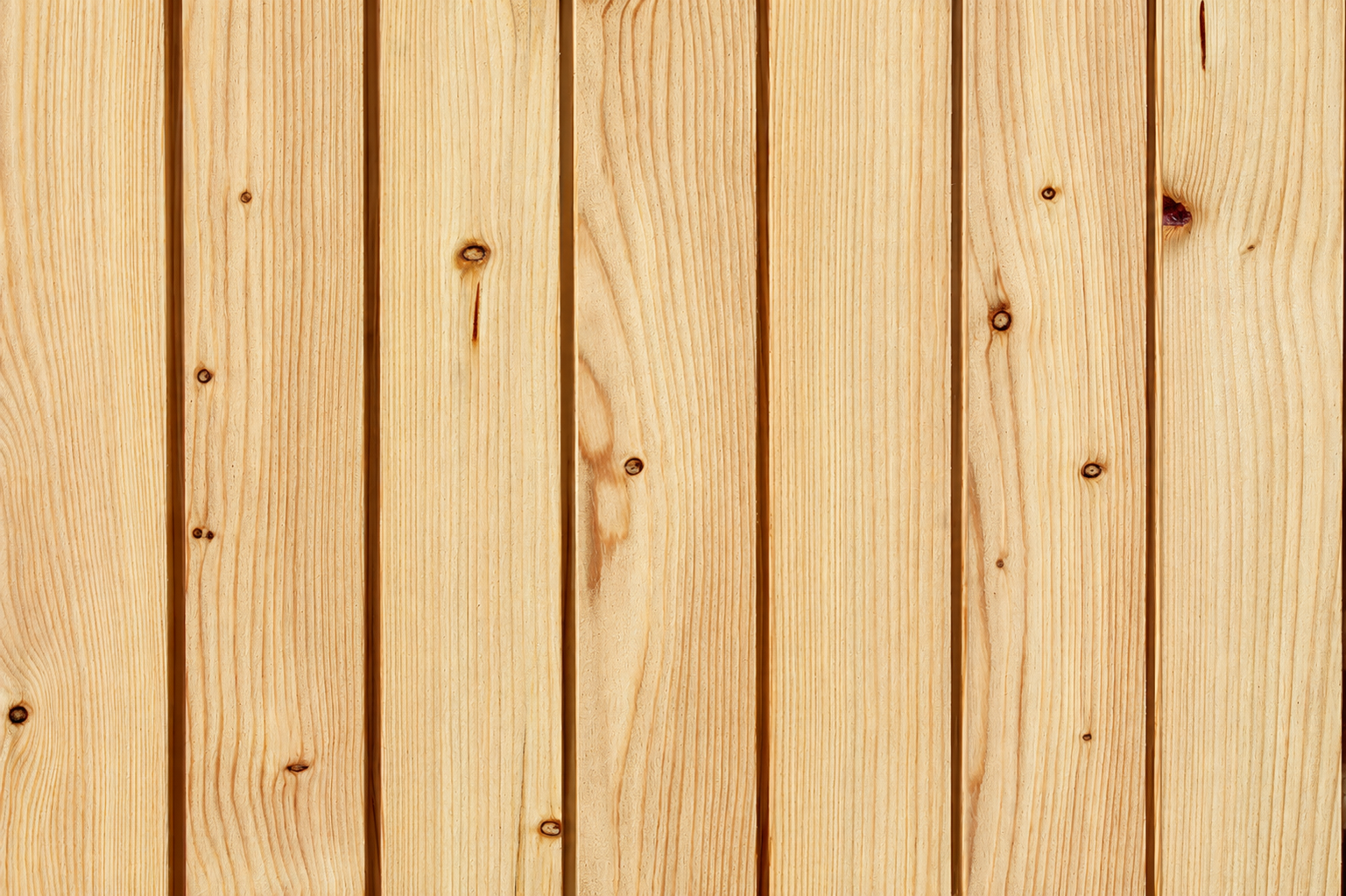
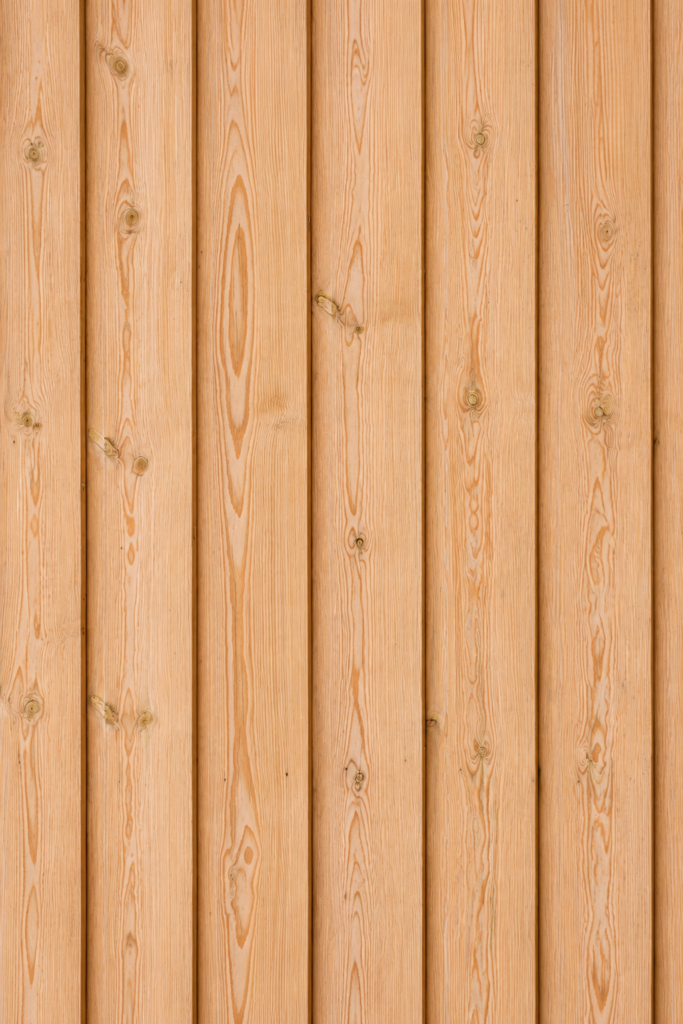
Treated Softwood
Our treated softwood cladding is a cost-effective and widely specified option, ideal for customers seeking an affordable, low-maintenance timber finish without compromising on appearance or longevity. The timber is specially treated with advanced preservatives that are forced deep into the wood to enhance its resistance to rot, moisture and insect damage.
Appearance: Upon installation, treated softwood has a light colour, over time the wood gradually matures into a distinguished silvery-grey patina. It has a natural ageing process that allows the shelter to settle into its surroundings with quiet confidence.
Best suited for: Educational campuses, NHS and healthcare sites, residential developments and transport hubs where budget efficiency and ease of maintenance are the primary considerations.
Key benefits:
- Cost-effective without sacrificing durability
- Effortlessly maintained over the lifetime of the shelter
- Natural weathering process blends the structure into its environment
- Compatible with sedum green roof options for added sustainability credentials
Thermopine
Thermopine is an expertly crafted thermally modified pine, produced by heating the wood to high temperatures in an oxygen-abundant environment. This process fundamentally changes the wood’s chemical and physical properties, reducing its moisture content and significantly improving its stability and resistance to the elements. The result is a sustainable, eco-conscious cladding solution that performs exceptionally well in outdoor installations.
Appearance: Thermopine radiates a warm brown hue upon installation, transitioning gracefully over time into a distinguished silvery-grey patina. Its consistent, clean profile gives bike shelters a refined natural appearance that works well in both contemporary and traditional settings.
Best suited for: Sites where moisture resistance is a priority, coastal locations, exposed transport hubs, parks and open green spaces. An excellent choice for organisations seeking a sustainable timber option with enhanced outdoor performance.
Key benefits:
- Thermally modified for superior moisture resistance and dimensional stability
- Reduced likelihood of warping, splitting, or decay
- Sustainable production process with a lower environmental impact than chemical treatments
- Transitions to a characterful silvery-grey patina with minimal maintenance required
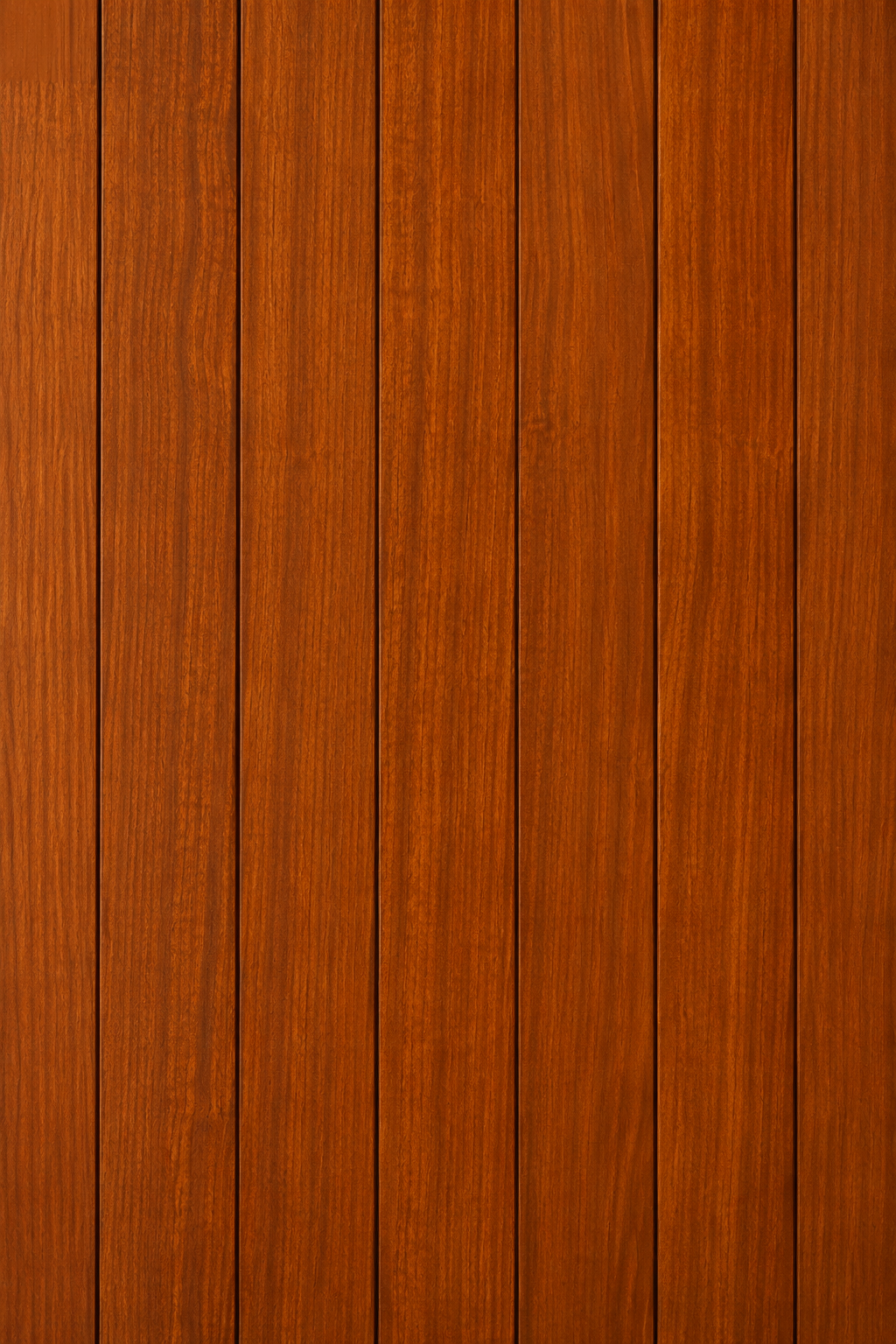
Sapele
For customers seeking a hardwood cladding option that combines robust performance with natural elegance, Sapele is an outstanding choice. A dense and enduring hardwood, Sapele is renowned for its remarkable resistance to rot, decay and insect infestation, qualities that make it ideally suited to exposed outdoor environments.
Appearance: Sapele is distinguished by its luxurious reddish-brown hue and distinctive interlocked grain pattern, offering a visual richness that is difficult to replicate with softwood alternatives. Over time, Sapele undergoes a darkening process.
Best suited for: Premium commercial projects, high-specification residential developments and architectural installations where the quality of the cladding material is a defining feature of the overall design.
Key benefits:
- Dense, durable hardwood with natural resistance to rot and decay
- Striking reddish-brown hue with a distinctive grain, a compelling alternative to traditional mahogany
- Deepens in character over time without compromising structural integrity
- Synonymous with premium-grade bike shelter products
Discover Premium Bike Shelters
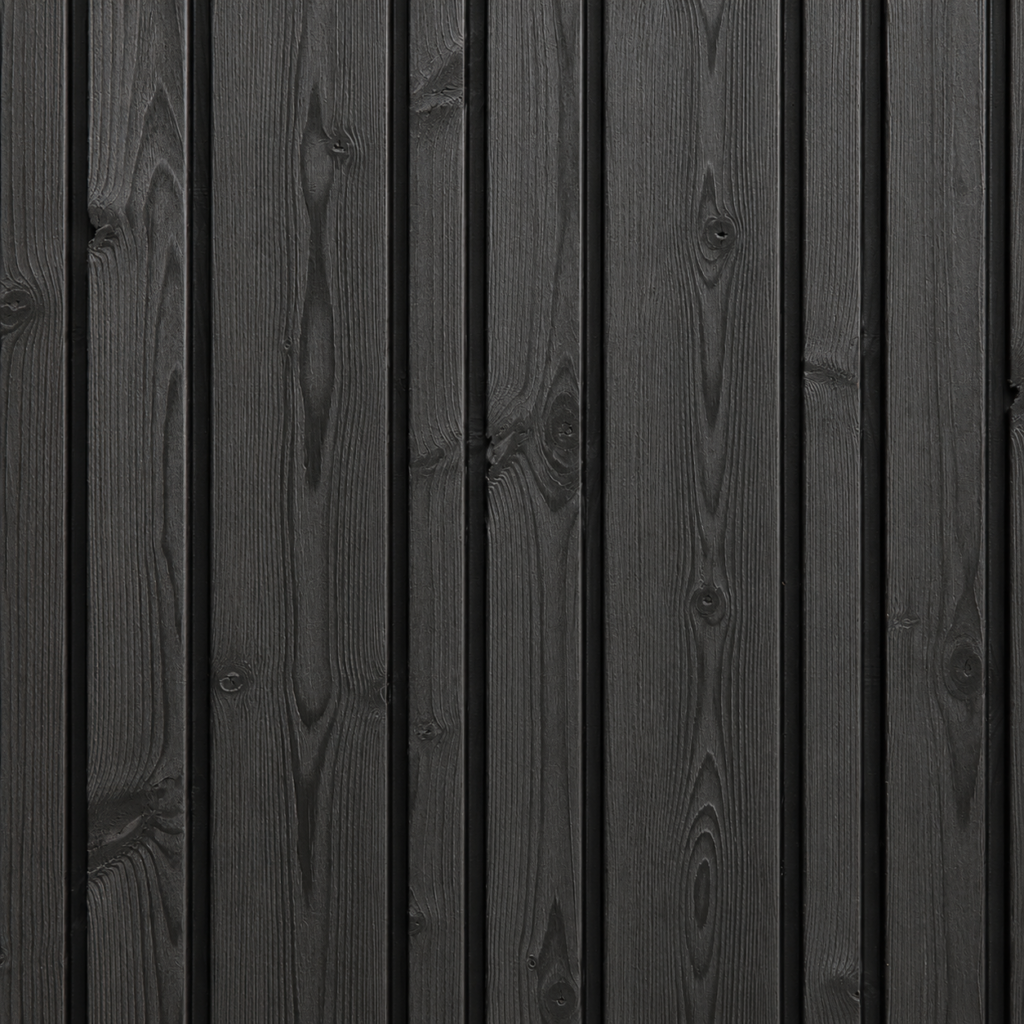
Black Thermopine
Black Thermopine takes the proven performance of thermally modified pine and introduces a sleek, contemporary black finish making it one of the most visually striking cladding options in our range. The heat treatment process minimises moisture absorption, delivering heightened stability and unparalleled resistance to rot and decay.
Appearance: Bold, modern, and unmistakable. The deep black finish creates a strong architectural statement and pairs particularly well with powder-coated black steel frames for a cohesive, high-contrast look. The finish offers superior UV resistance, significantly mitigating the risk of fading and discolouration over time.
Best suited for: Contemporary commercial premises, modern residential developments, corporate campuses, and any project where design impact is as important as functional performance.
Key benefits:
- Sleek black finish delivers a contemporary, high-specification aesthetic
- Superior UV resistance reduces fading and discolouration
- Enhanced stability minimises the risk of warping in outdoor conditions
- Thermally modified for excellent moisture resistance and longevity
Western Red Cedar
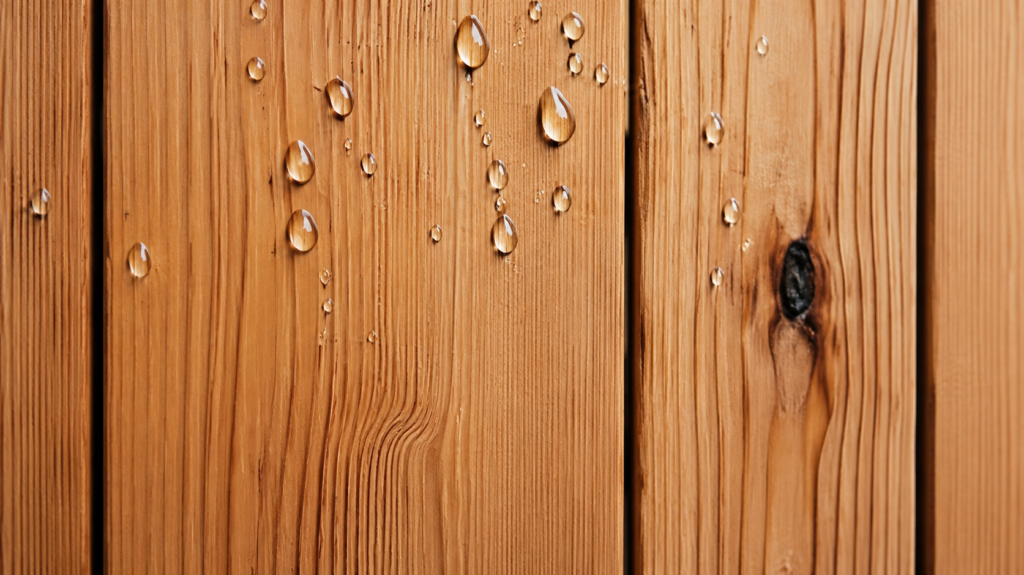
Western Red Cedar is a premium cladding choice for bike shelters, celebrated worldwide for its innate natural resistance to decay and its exceptional ease of handling. A true outdoor performer, Western Red Cedar requires no chemical treatment to achieve its durability, its natural oils provide inherent protection against moisture, insects, and weathering.
Appearance: Boasting a rich, reddish-brown hue, Western Red Cedar weathers gracefully to a distinguished silver-grey patina when left untreated, lending a timeless, natural quality to any installation. The warmth of its original tone and the elegance of its weathered finish make it equally appealing at either stage.
Best suited for: Landscaped environments, parks, residential developments, and premium commercial sites where a naturally beautiful, high-performing cladding material is preferred. The timber’s ease of handling also makes it particularly well-suited to bespoke or complex shelter configurations.
Key benefits:
- Naturally resistant to decay without the need for chemical treatment
- Lightweight and straightforward to handle, reducing installation complexity
- Rich, warm reddish-brown tone weathers to a refined silver-grey patina
- A premium, characterful finish that enhances any outdoor environment
Composite Cladding
For customers who want the aesthetic warmth of a timber finish combined with the practical benefits of a low-maintenance, manufactured material, composite cladding offers an ideal solution. Engineered from a fusion of wood fibres and plastic, composite cladding is built for durability and consistency in demanding outdoor environments.
Appearance: Composite cladding is available in a diverse palette of colours, allowing it to be tailored to suit any aesthetic preference or planning requirement. Unlike natural timber, composite cladding maintains a highly consistent colour and surface quality over time, there is minimal variation between boards and negligible colour change due to weathering.
Best suited for: Commercial and public sector projects where long-term consistency of appearance is essential, or for sites where maintenance resources are limited and a no-fuss, long-life cladding solution is preferred.
Key benefits:
- Inherently resistant to rot, splitting, and moisture damage
- Minimal colour variation over time, maintains a consistent, uniform appearance
- Available in a wide range of colours to suit any design brief
- Low maintenance throughout the lifetime of the shelter
Euro Class B/C Fire-Rated Timber & Composite Cladding
For projects where fire safety compliance is a requirement, including NHS healthcare sites, schools, residential developments, and buildings subject to stricter fire regulations, our Euro Class B/C fire-rated cladding options provide the assurance you need without compromising on aesthetics.
Euro Class B represents the highest level of fire resistance available for cladding materials, and Class C provides a strong secondary rating. Both are suitable for a wide range of building types and planning requirements.
Appearance: Available in both timber and composite variants, Euro Class B/C cladding delivers the same visual appeal as our standard options, natural wood tones or a broad palette of composite colours, with the added benefit of certified fire safety performance.
Best suited for: NHS hospitals and healthcare facilities, schools and further education sites, residential blocks requiring fire-safe external materials, and any development where planners or building control have specified a fire-rated cladding option.
Key benefits:
- Euro Class B/C fire resistance rating, the highest available for cladding materials
- Available in both timber and composite variants
- Meets NHS fire safety regulations for lithium battery and e-bike charging areas
- Provides peace of mind without compromising on the visual quality of the shelter
Our Bike Shelter Range
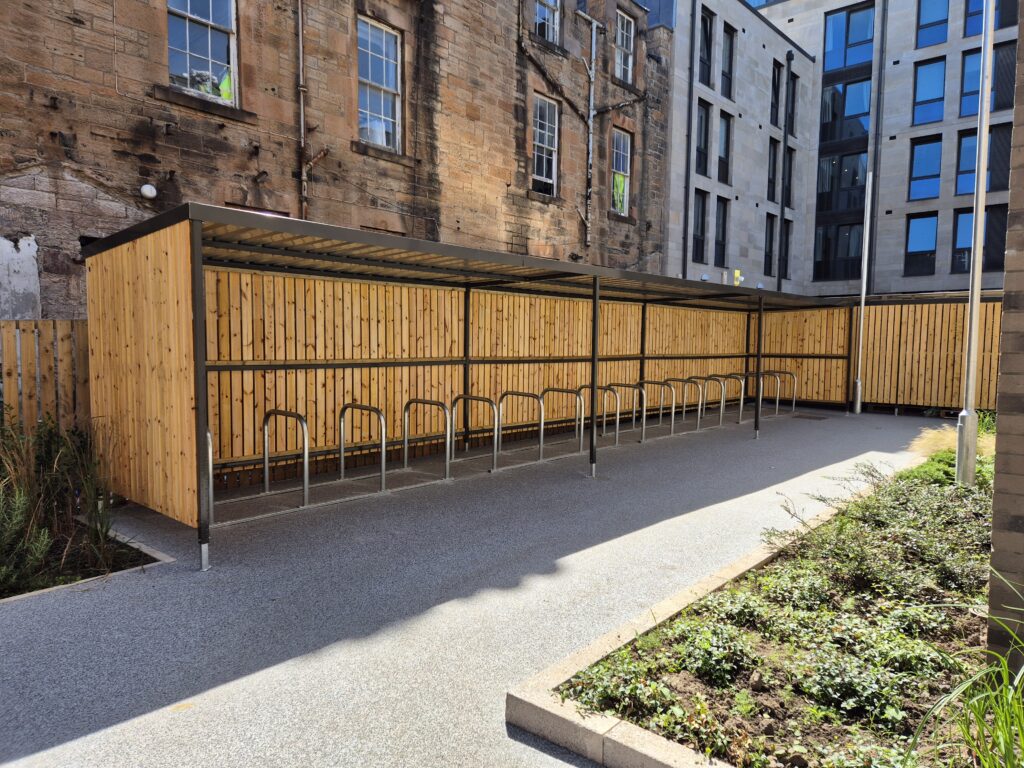
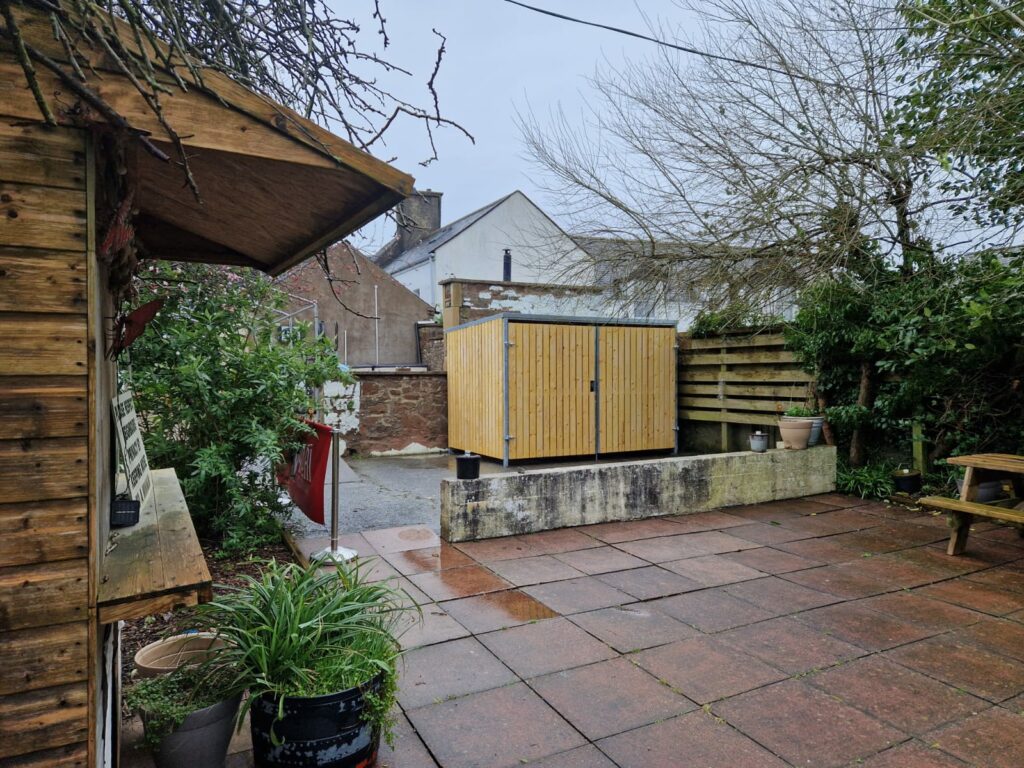
Wooden Bike Shelters – Our dedicated timber-clad shelter range, available in a variety of configurations and sizes.
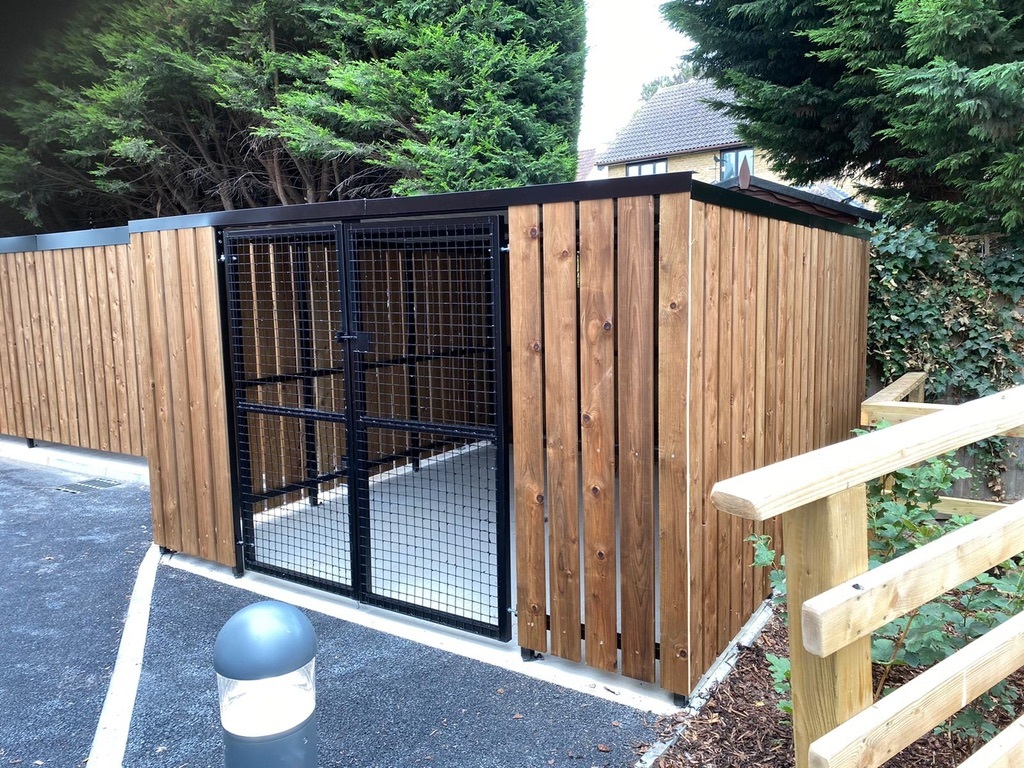
Timber-Clad Mesh Shelters – Galvanised steel mesh structures with timber cladding panels, combining the security of a mesh enclosure with the warmth of natural wood.
Cubic Modular Wooden Bike Shelters – A contemporary modular design with a distinctive cubic profile, ideal for modern residential and commercial settings.
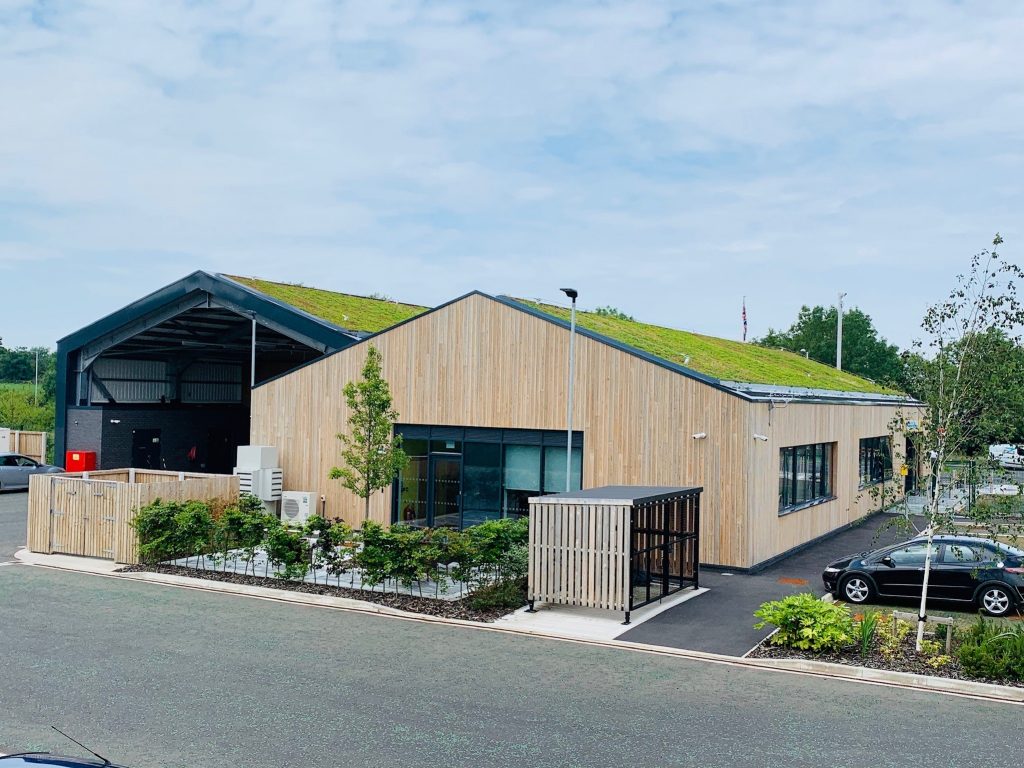
Green Roof Shelters – Timber-framed shelters with a sedum or wildflower roof, supporting biodiversity targets and NHS or BREEAM Green Plan commitments.

Sustainably Sourced Timber
We understand that responsible material sourcing matters. Where specified, our timber cladding can be supplied with FSC (Forest Stewardship Council) or PEFC certification, confirming that the wood has been sourced from sustainably managed forests.
This is particularly relevant for projects seeking BREEAM credits, NHS Green Plan compliance, or planning approvals in environmentally sensitive locations. If certification is a requirement for your project, please mention this at the enquiry stage and our team will confirm availability.
A Note on Sedum Roofing
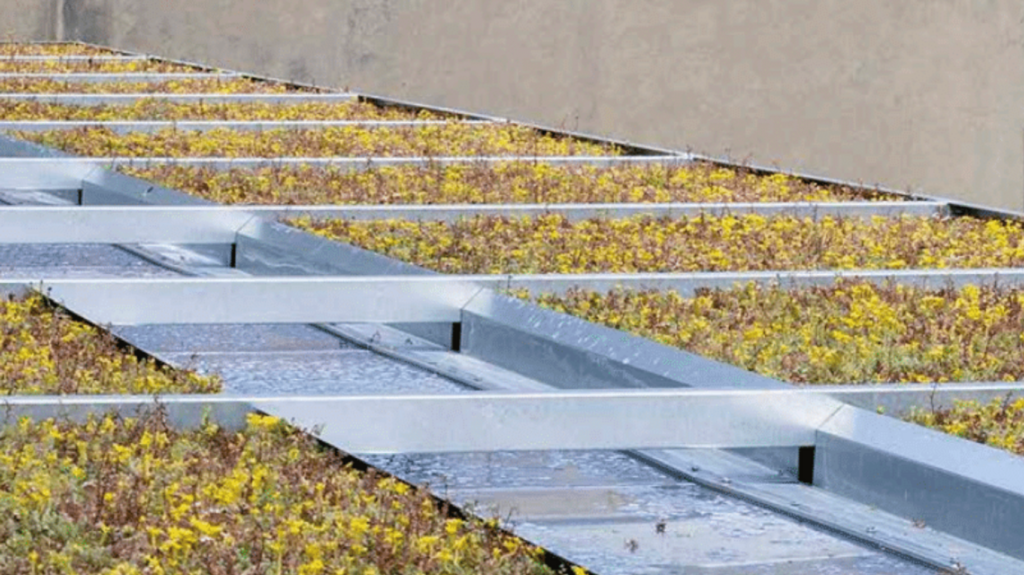
Many of our timber-clad bike shelters are also available with a sedum green roof option, replacing the conventional shelter roof with a living layer of robust, low-maintenance sedum varieties. Beyond the obvious visual appeal, sedum roofing provides natural insulation, absorbs rainwater (with a water attenuation of 1.5 litres per m²), and supports biodiversity by providing habitat for bees, butterflies, and other pollinators.
It is particularly well-suited to projects seeking BREEAM credits, NHS Green Plan compliance, or planning approvals in environmentally sensitive settings where a living roof can genuinely enhance biodiversity and stormwater management on site. The combination of a naturally finished timber shelter with a sedum roof is one of the most sympathetic and sustainable cycle storage solutions we offer.
Choosing the Right Finish for Your Site
Not sure which option is right for your project? The table below offers a quick reference guide:
| Finish | Best For | Maintenance | Key Strength |
|---|---|---|---|
| Treated Softwood | Schools, NHS, Residential | Low | Cost-effective, reliable |
| Thermopine | Exposed / Coastal Sites, Parks | Very Low | Moisture resistance, sustainability |
| Sapele | Premium Commercial, Architectural | Low | Hardwood durability, rich aesthetics |
| Black Thermopine | Contemporary Commercial, Residential | Very Low | Design impact, UV resistance |
| Western Red Cedar | Landscaped, Premium Residential | Low | Natural decay resistance, warmth |
| Composite Cladding | Public Sector, Low-Maintenance Sites | Very Low | Colour consistency, longevity |
| Euro Class B/C | NHS, Schools, Residential Blocks | Low–Medium | Fire safety compliance |
Frequently Asked Questions
Which timber finish requires the least maintenance?
Thermopine and Black Thermopine are among the lowest-maintenance options we offer. The thermal modification process fundamentally improves the wood’s stability and moisture resistance, significantly reducing the likelihood of warping, splitting, or decay without the need for ongoing treatment. Composite cladding is also extremely low maintenance, with minimal colour variation over time.
Will the timber colour change over time?
Most natural timber cladding, including Treated Softwood, Thermopine, Western Red Cedar and Sapele will weather to a silvery-grey patina over time when left untreated. This is a natural process that many customers find attractive, as it allows the shelter to bed into its environment. If you prefer to retain the original colour, our team can advise on appropriate oil or UV-stable stain treatments for specific timber species.
What is the difference between Thermopine and Black Thermopine?
Both are thermally modified pine products that share the same core properties, enhanced moisture resistance, improved dimensional stability and resistance to rot and decay. The difference is purely aesthetic standard Thermopine presents a warm brown tone that weathers to silver-grey, while Black Thermopine is treated to produce a sleek, contemporary black finish with superior UV resistance to maintain its colour over time.
Do you offer fire-rated cladding options for NHS or school projects?
Yes. Our Euro Class B/C fire-rated cladding is available in both timber and composite variants and is specifically suited to healthcare, educational and residential projects where fire safety compliance is a requirement. This is particularly relevant for NHS sites with e-bike charging facilities, where lithium battery fire safety regulations apply.
Can timber-clad shelters be combined with security features?
Absolutely. The timber cladding is applied to a structural galvanised steel frame, making it fully compatible with our complete range of security options including sliding and swing gates, combination locks, keypad access systems and internal bike racks with multi-point locking. The finish choice has no bearing on the shelter’s security specification.
Is timber cladding suitable for planning-sensitive sites?
Natural timber finishes are widely accepted by local planning authorities and are frequently specified for conservation areas, green belt land and settings adjacent to listed buildings. Sapele, Western Red Cedar and Thermopine in particular are valued for their natural aesthetics in sensitive environments. Our team can advise on the most appropriate finish for your specific planning context.
Get Expert Advice on Timber Finishes
Our team has been specifying and installing timber-clad bike shelters across the UK since 2009. Whether you are working on a planning application, a BREEAM assessment, or simply want to understand which finish will look best on your site, we are here to help.
View the Wooden Bike Shelter Range
Prefer to speak to someone? Call our team on 01516011750 or email us at [email protected]