/tcs/uploads/categories/20260106-09-59-00_2452a0ee-5d2f-4f0a-ad18-1d653e48926a.jpg)
/tcs/uploads/categories/20260106-09-24-54_fa149ae6-6b92-41a2-8c58-6872c3f98f46.jpg)
/tcs/uploads/categories/20260420-14-42-55_6x4-pent-2.jpeg)
/tcs/uploads/categories/cycle-storage-cycle-lockers.jpeg)
/tcs/uploads/categories/20260420-14-39-09_parkis-5.jpg)
/tcs/uploads/categories/20260106-09-51-52_img-1458.jpg)
/tcs/uploads/categories/cycle-storage-bike-pump-repair-stands.jpeg)
/tcs/uploads/categories/20260420-14-44-33_whatsapp-image-2026-02-24-at-131821-4.jpeg)
Why the UK Still Lags Behind Europe in Cycling Uptake?
The UK continues to quietly pedal in last place when it comes to cycling. Whilst participation has grown in certain urban pockets, cycling remains far from the everyday activity as it is across the channel.
In cities like Amsterdam, Paris and Copenhagen, infrastructure is continuous, clever and designed not for the confident minority, but for absolutely everyone, including grandmothers carrying groceries and small children travelling to and from school.
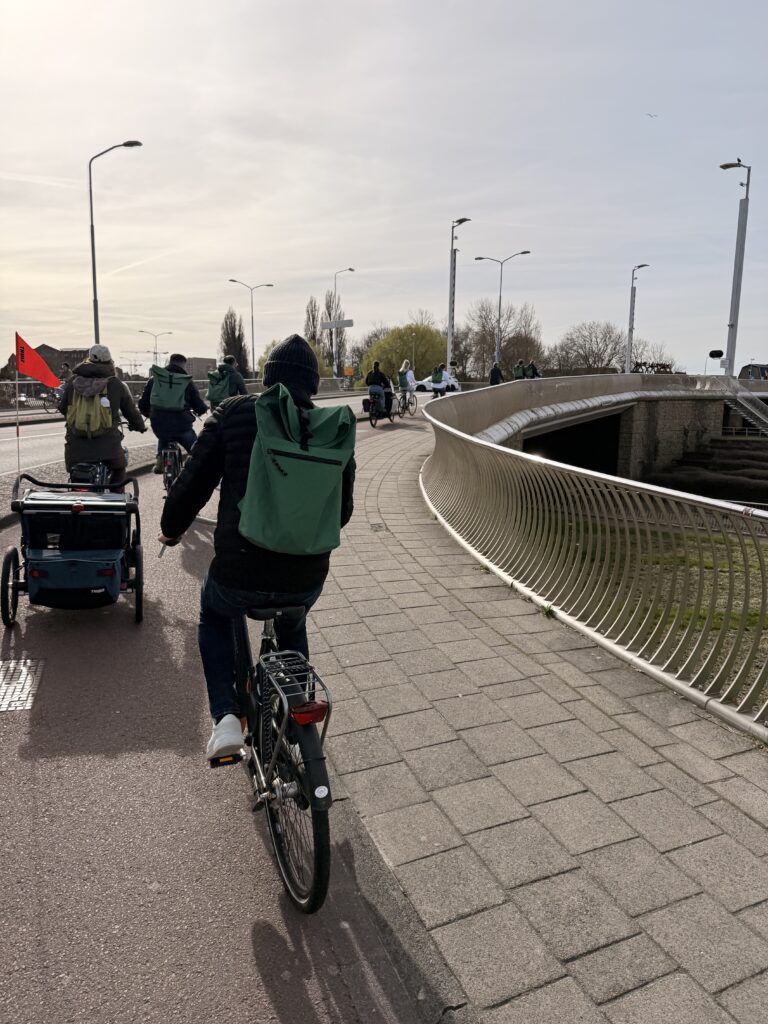
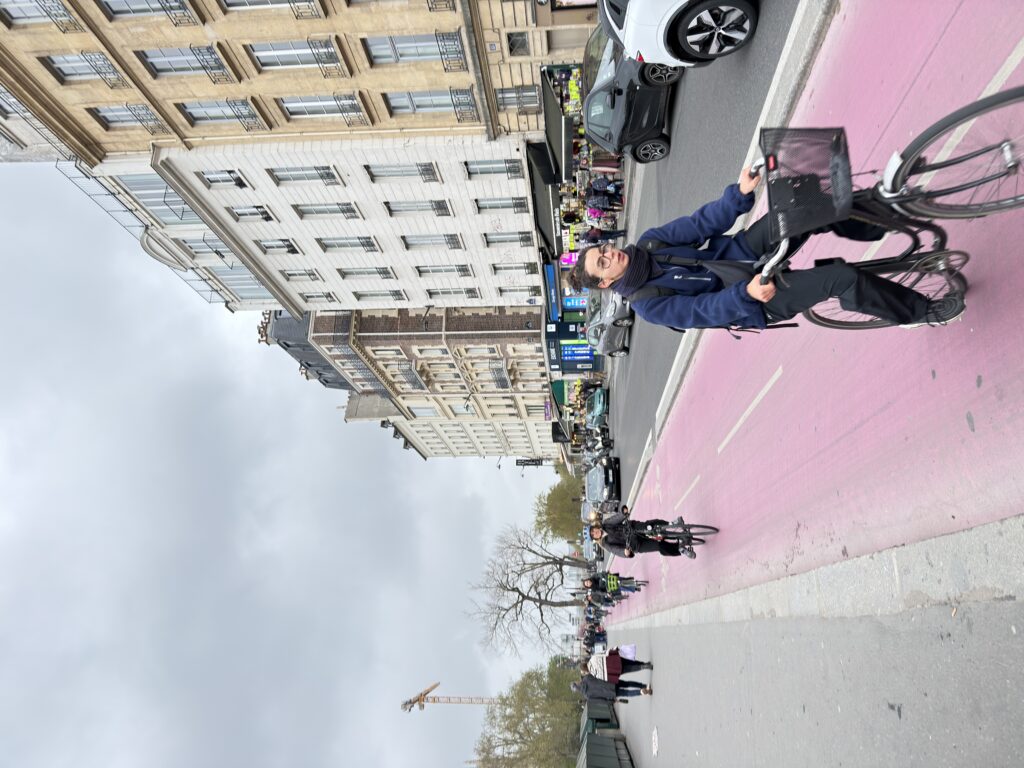
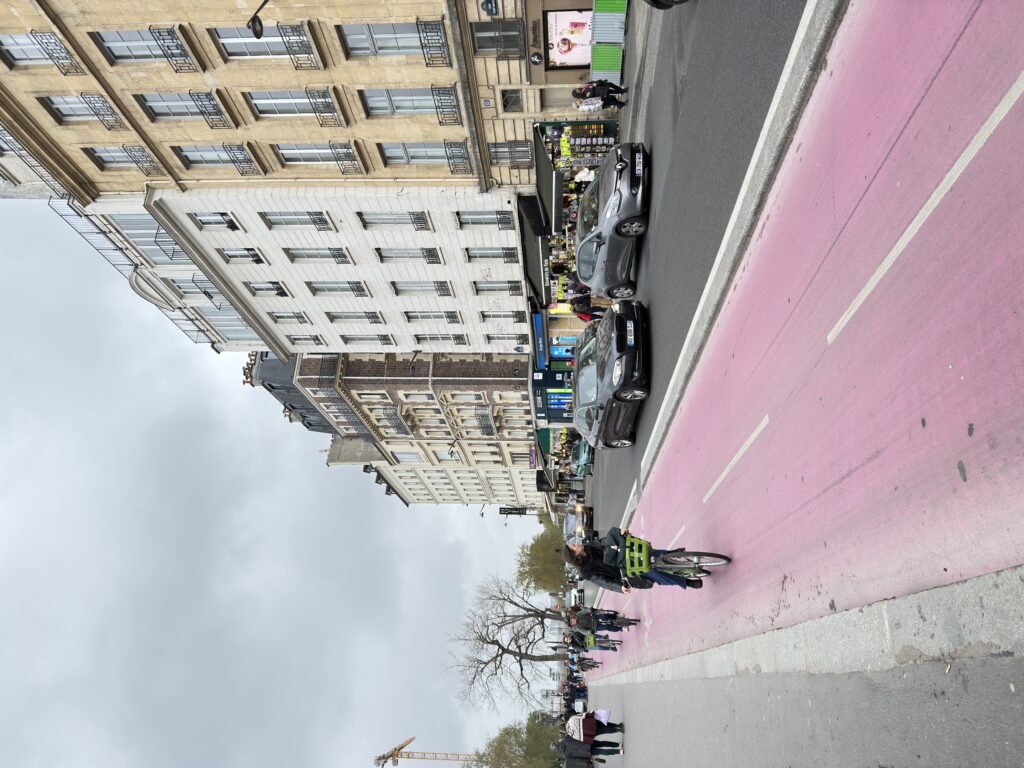
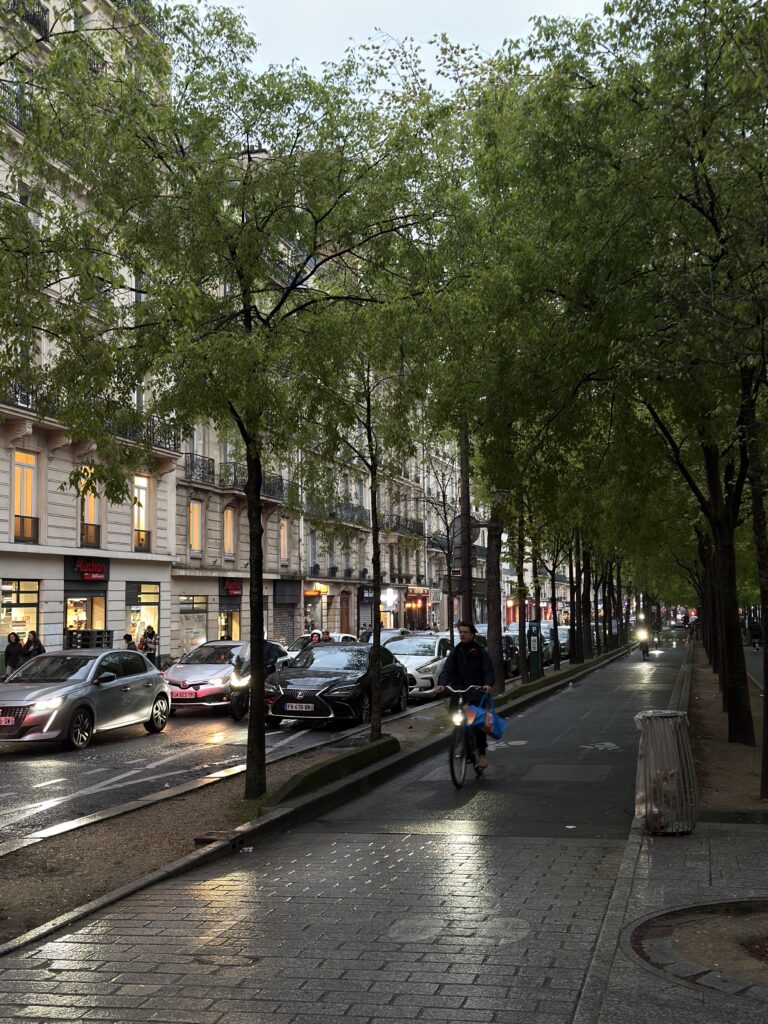
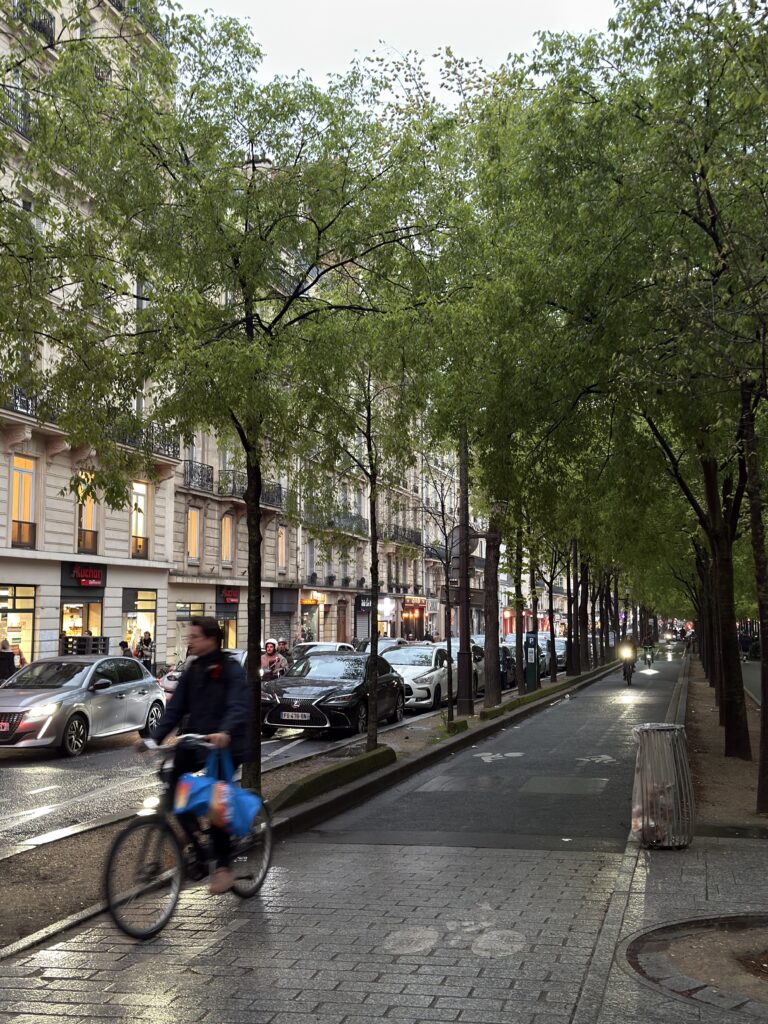

Charles, our Marketing Manager recently experienced first hand how efficient the cycle lanes in Paris are, highlighting how some cycle lanes are colour coded in various districts of the city. Peter, our Commercial Director witnessed Amsterdam’s cycling ecosystem on his recent distributor visit with Klaver, with a key takeaway being the surprising volume of families in Amsterdam utilising bike lanes together, as well as the immense cycle storage infrastructure present across the city.
Safety perception is one of the biggest barriers, and in the UK it is not hard to see why. People cycle when they feel protected from traffic, a reasonable request. While London and Manchester have made visible progress with segregated lanes and low-traffic neighbourhoods, safety remains patchy. In many towns and suburban areas, meaningful cycling infrastructure is still absent altogether, replaced instead by a faded painted line and a prayer.
The funding figures tell their own story. English councils have spent an average of just £2 per person per year on cycling over the past decade, with some managing as little as 3p per capita annually. This historical baseline, drawn from the government’s own Cycling and Walking Investment Strategy and later cited in the IPPR’s landmark 2024 “Stride and Ride” report, reflects a sustained period of underfunding that dates back to at least 2010. In the same period, the Netherlands committed over €1.1 billion in a single infrastructure package covering cycle highways, station parking and new bridges. In England, just 2% of the total transport budget goes towards active travel.
Unsurprisingly, 69% of people in the UK say they never cycle at all. In the Netherlands, only 13% say the same and 43% cycle every day. The UK currently ranks 22nd out of 28 European countries for cycling, according to the European Cyclists’ Federation, with just 2% of all journeys made by bike. The Netherlands manages around 27% of all daily trips by bicycle. Denmark and Germany both exceed 10%, which is a huge gap.
Shifting short journeys from cars to active travel would save the NHS an estimated £17 billion over 20 years, a figure originally modelled in a paper published in The Lancet and since widely cited by government and public health bodies alike. For every £1 invested in active travel infrastructure, the average return is £5.62, more than double the £2.50 return generated by roads spending.
In leading European nations, cycling is simply normalised from childhood. In the Netherlands, over 35,000 kilometres of dedicated cycle paths creates a country-wide network and around 50% of Amsterdam residents use a bicycle as their primary mode of transport.
The countries that lead on cycling did not get there by accident. They made deliberate, sustained choices over decades and the results speak for themselves. The UK now faces the same choice. The opportunity is still firmly within reach.