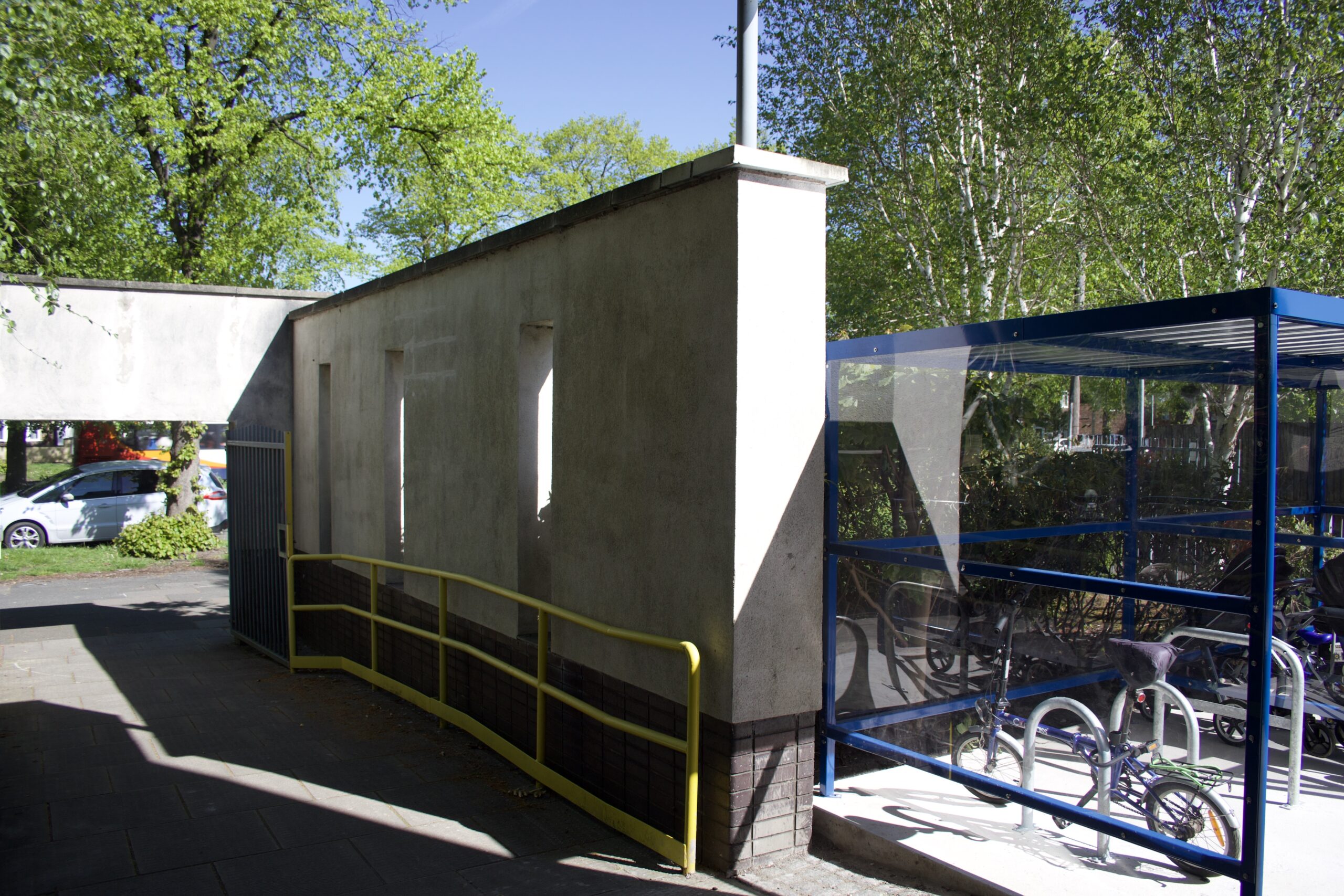
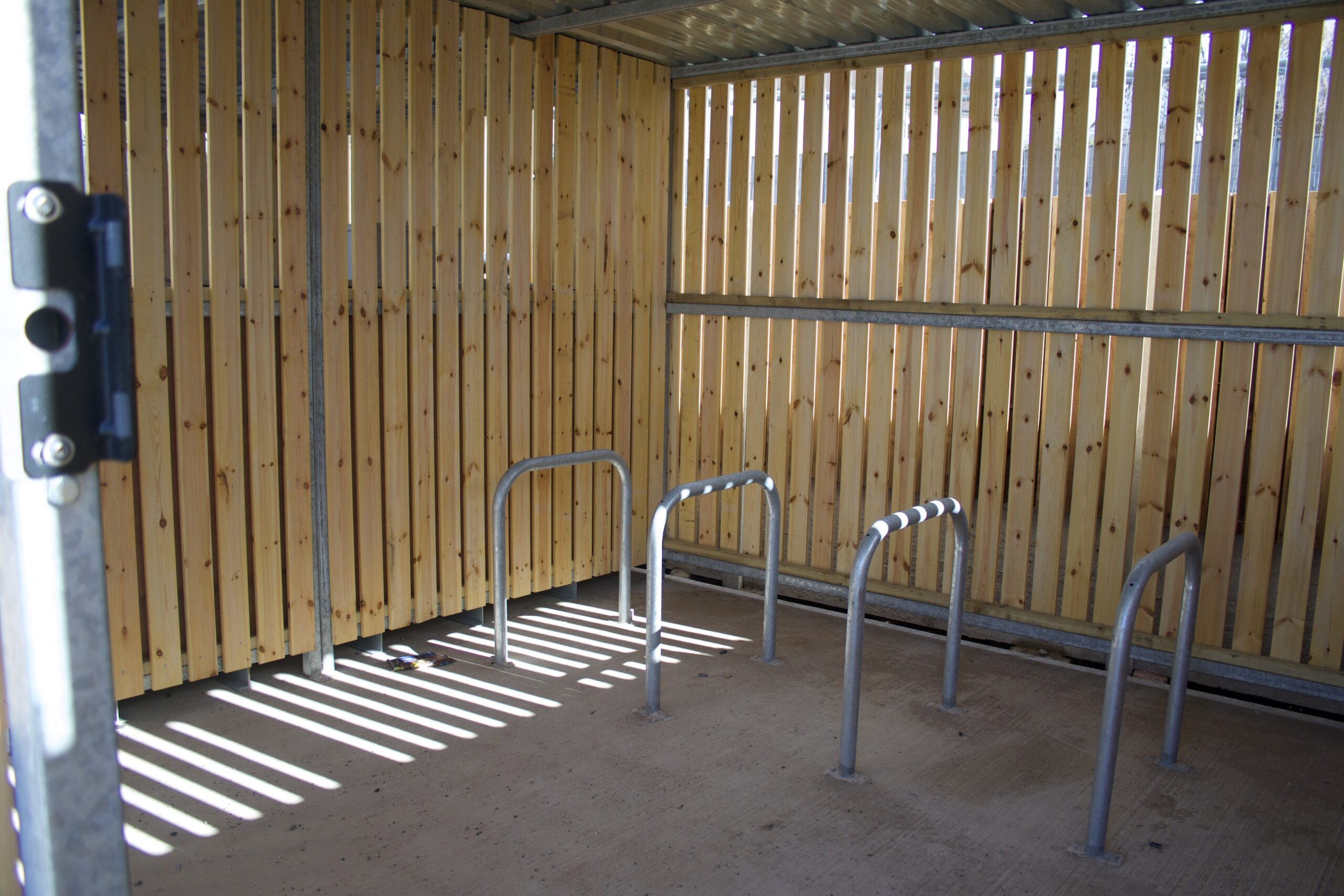
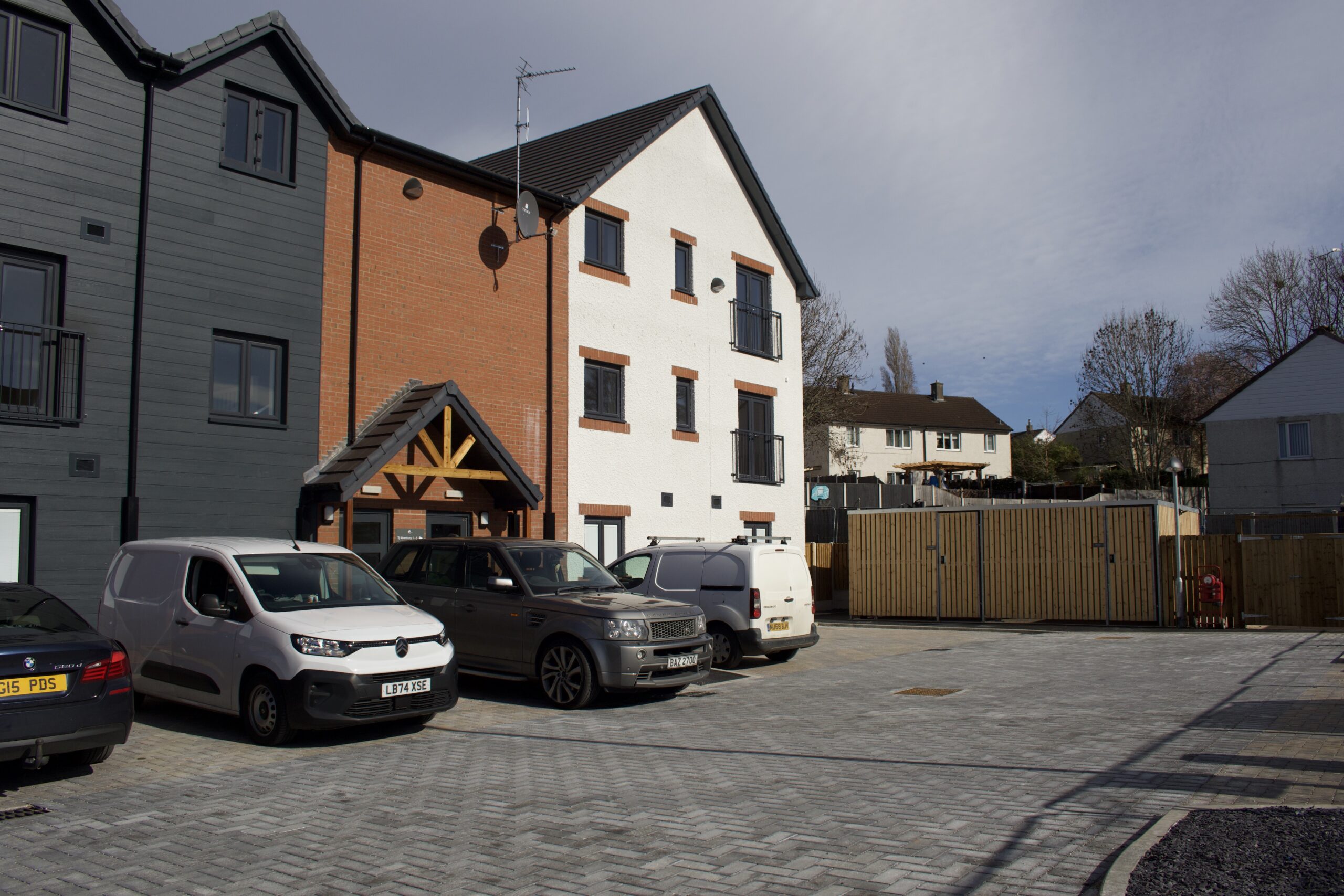
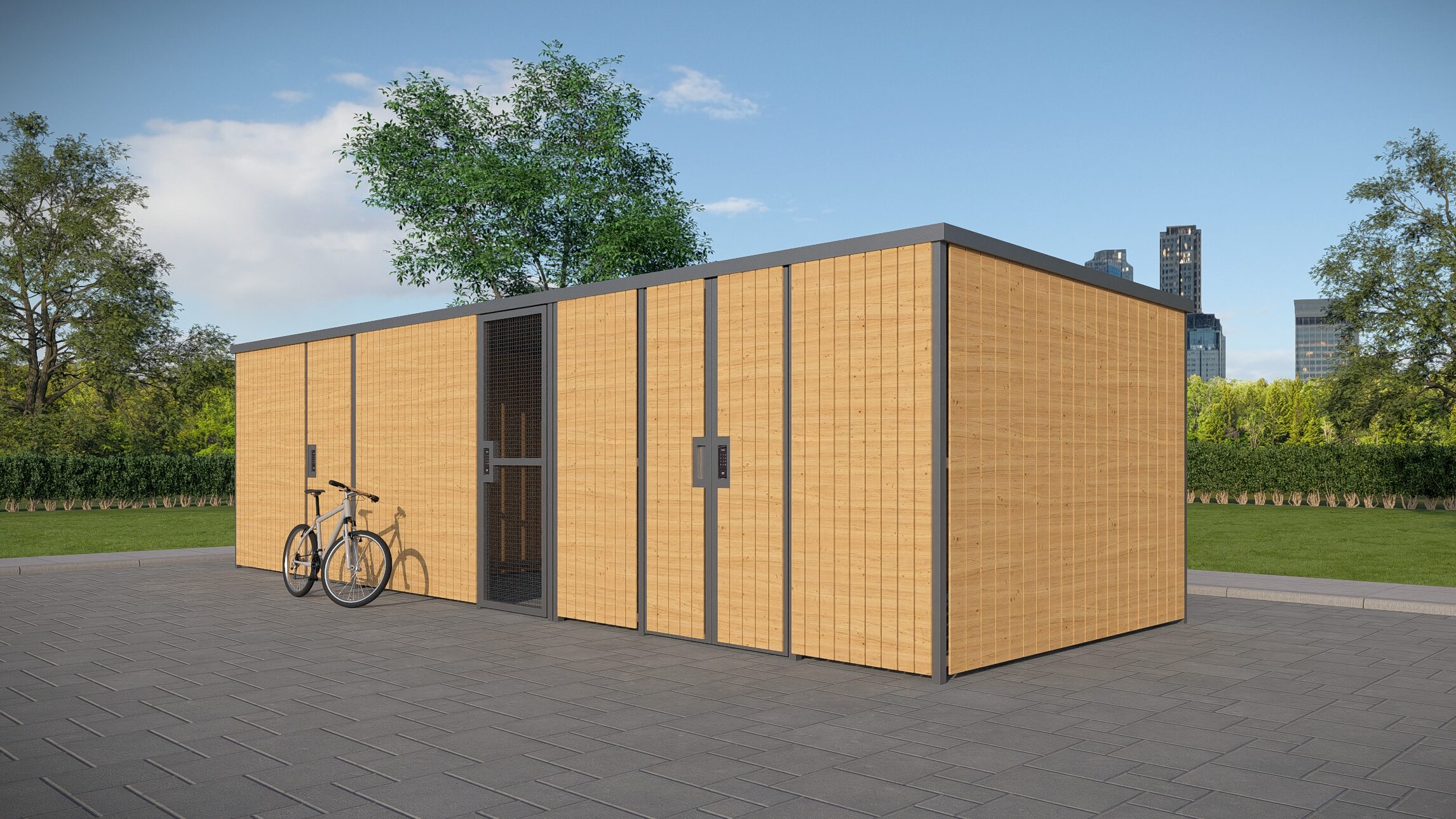
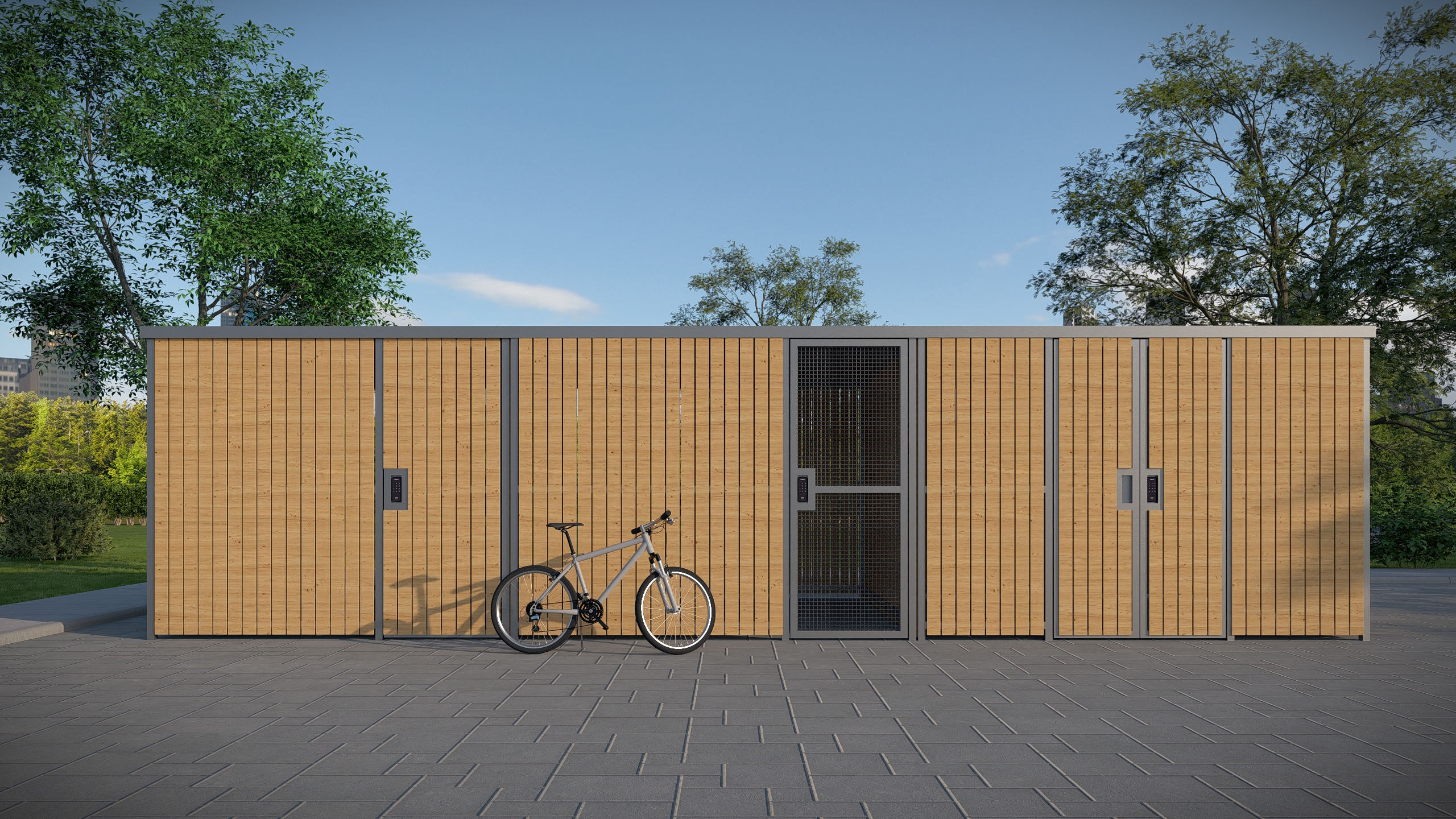
Liverpool City Councils, Clubmoor Children’s Centre and Family Hub required a practical yet thoughtfully designed storage solution that could support both active travel and everyday family needs. The project called for a dual-purpose shelter that would seamlessly accommodate cycle parking alongside secure pram storage, while maintaining a welcoming, safe, and visually appealing presence within a community-focused environment.
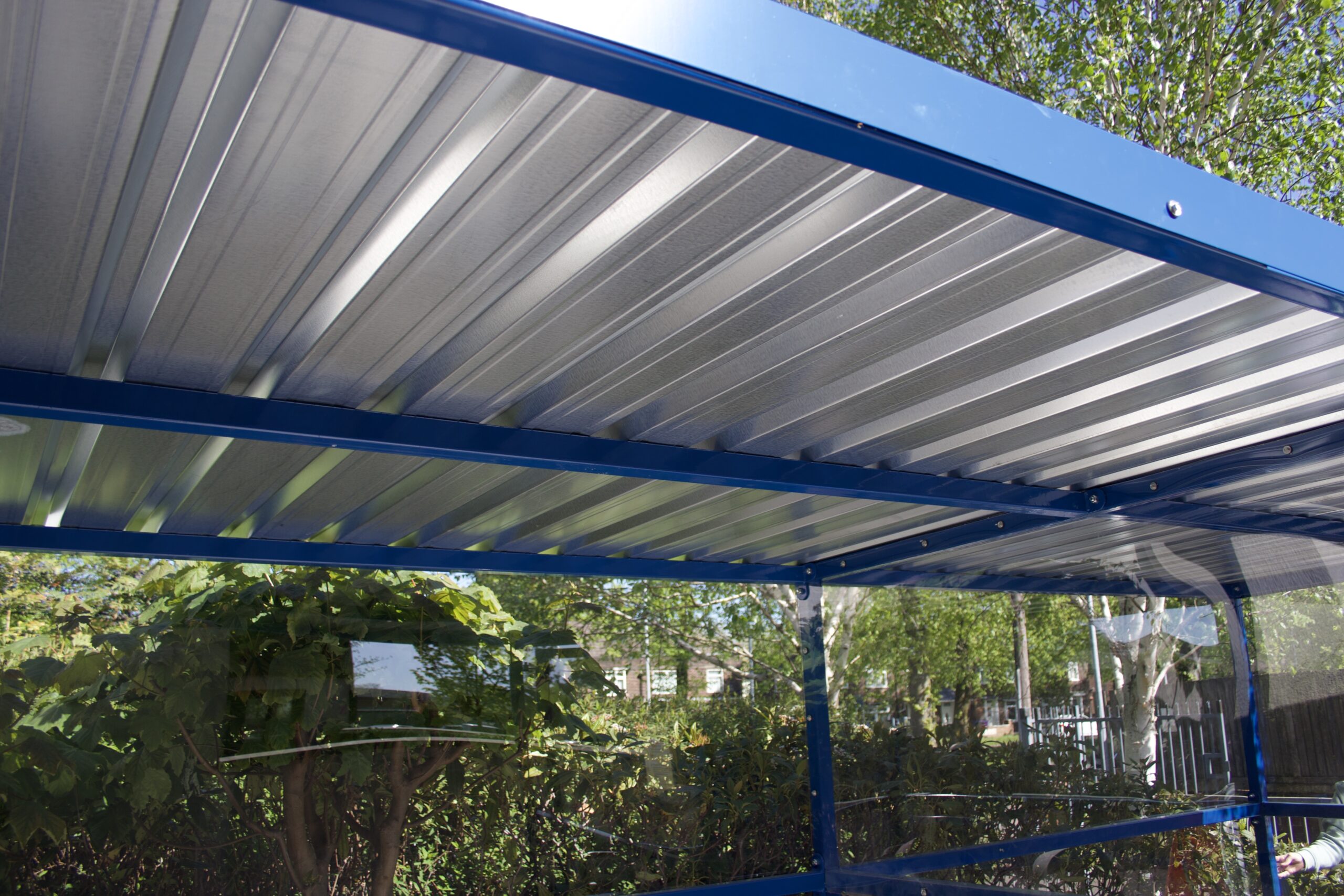
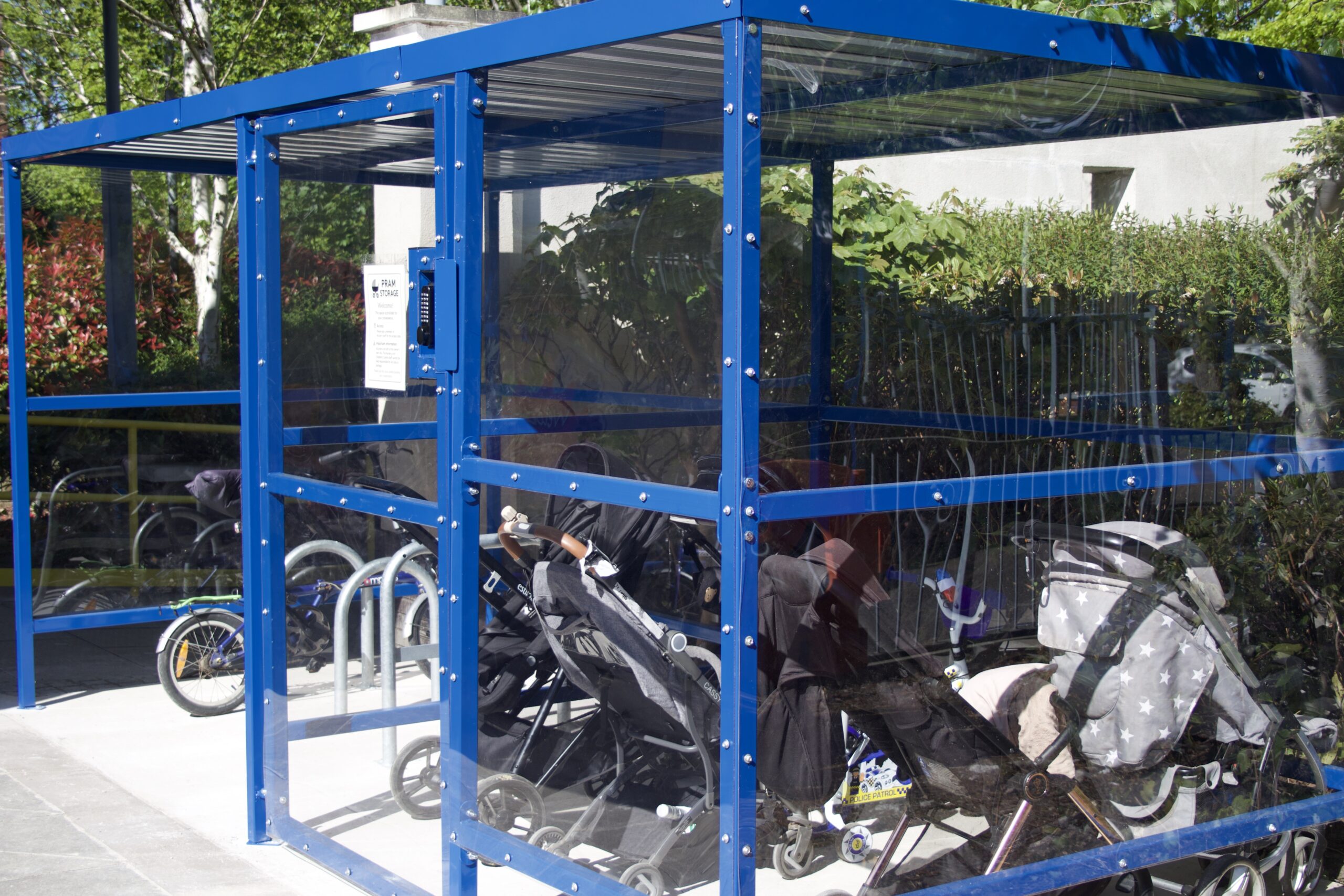
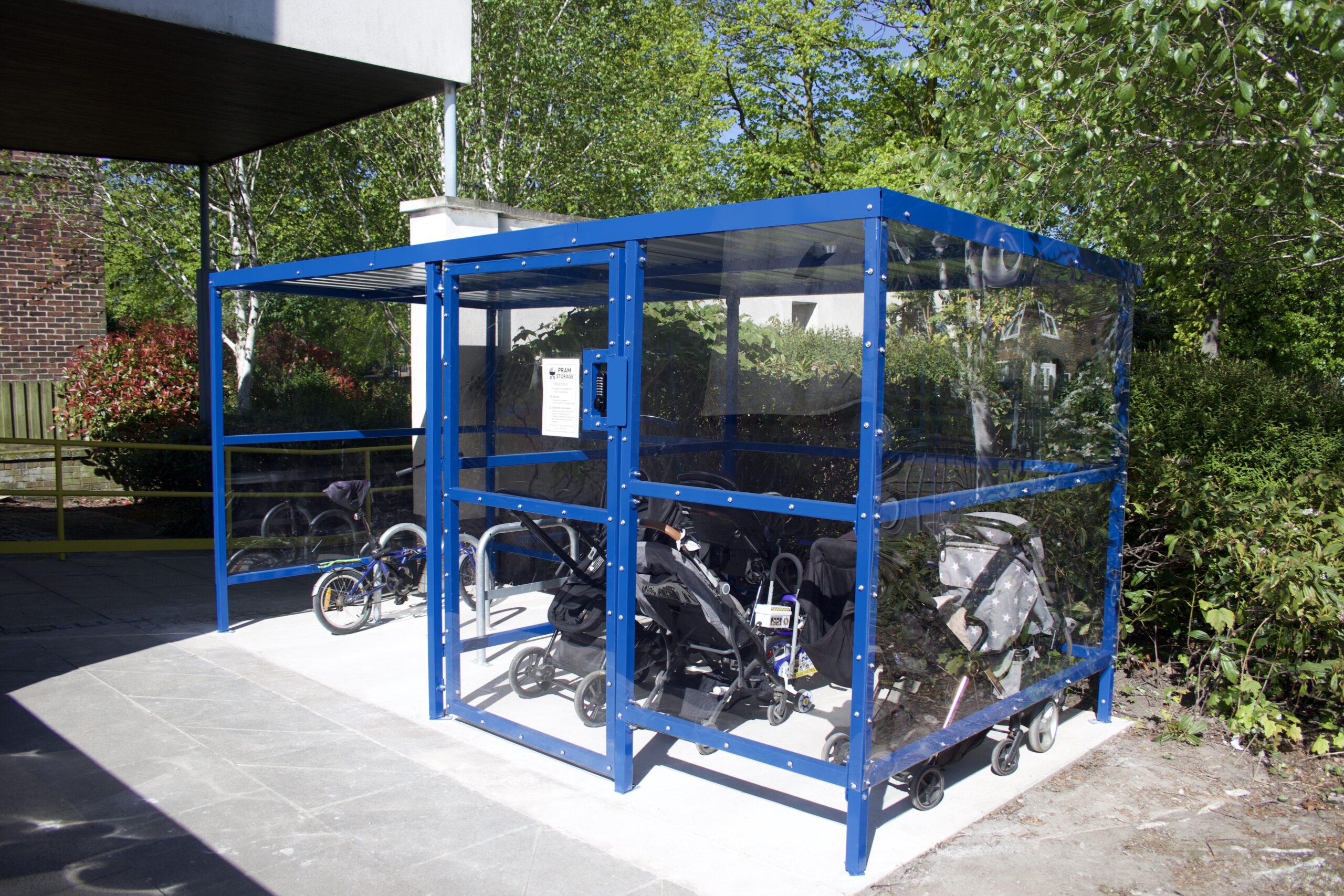
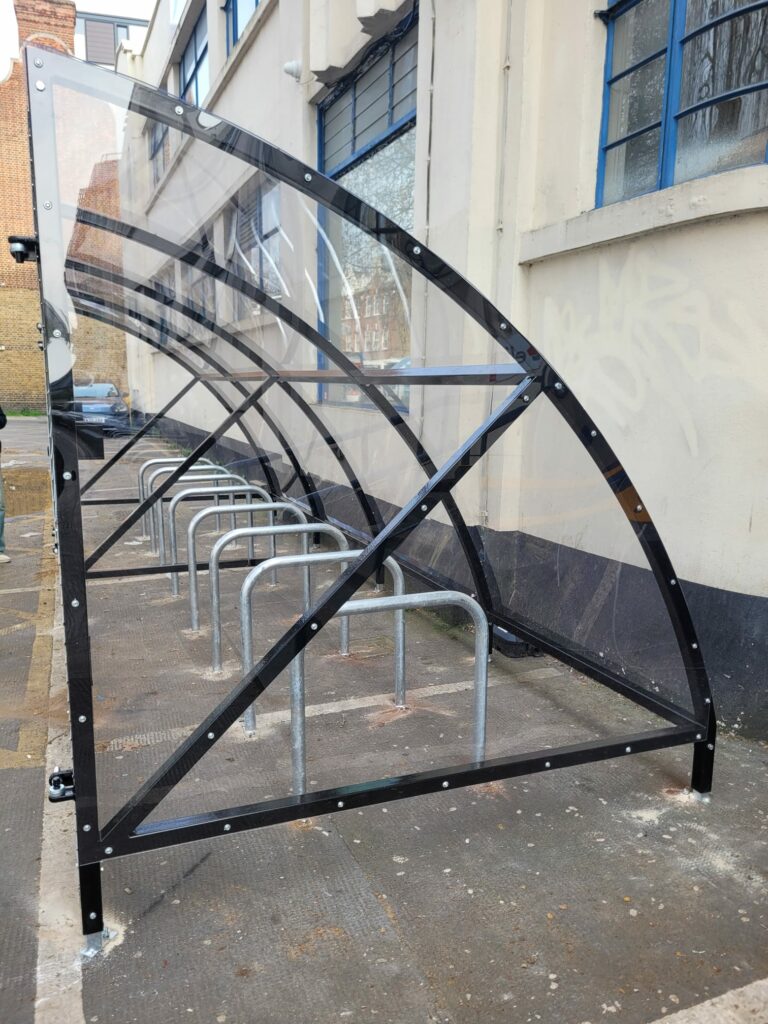
The resulting installation is a fully Bespoke Cycle and Pram Shelter, measuring 4600mm wide by 2100mm deep and 2100mm high, designed specifically to maximise functionality within the available footprint. Constructed from a robust galvanised steel frame and finished with a durable powder coating in Royal Blue (RAL 260 30 35), the structure delivers both long-term resilience and a vibrant, family-friendly aesthetic that complements the surrounding facility.
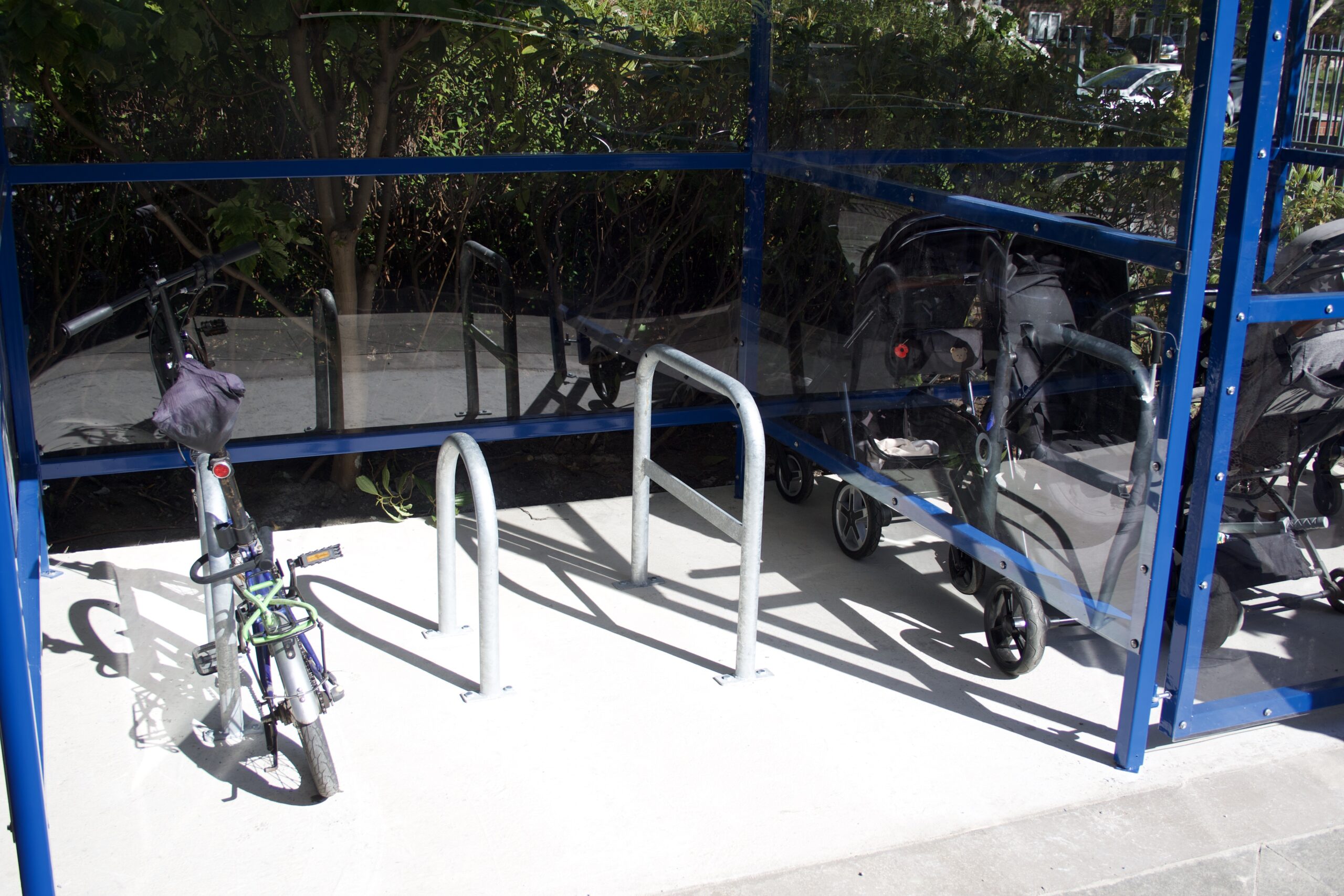
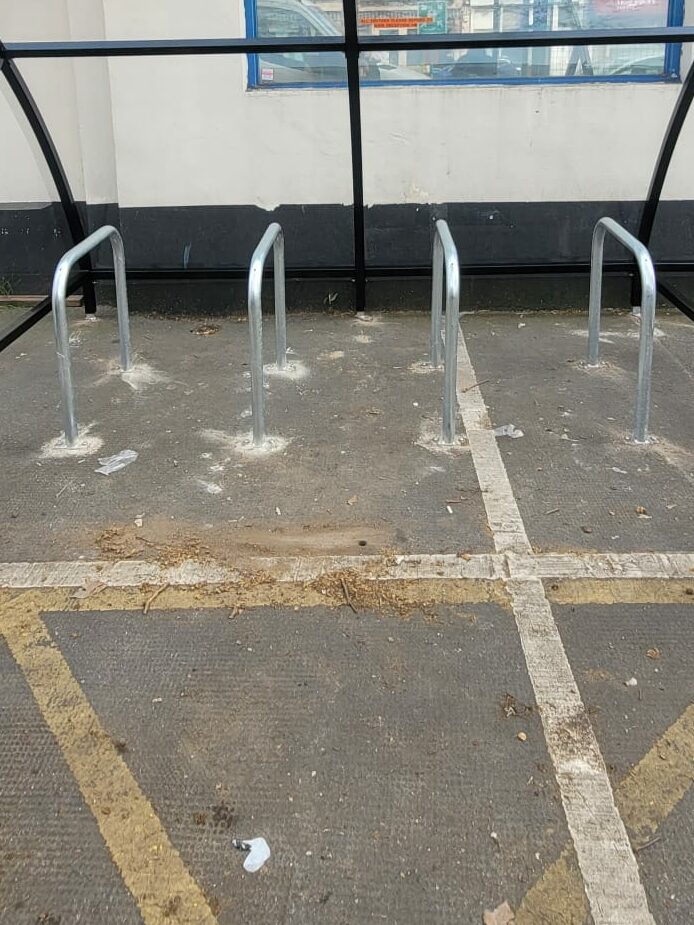
A key feature of the design is the carefully considered dual-zone layout. The left-hand side has been left open-fronted to provide easy, unobstructed access for cyclists, encouraging regular use and supporting sustainable transport habits among staff and visitors. Within this space, 3 Sheffield Stands have been installed, offering secure parking for up to 6 bicycles, including a combination of adult and junior stands to cater to a range of users.
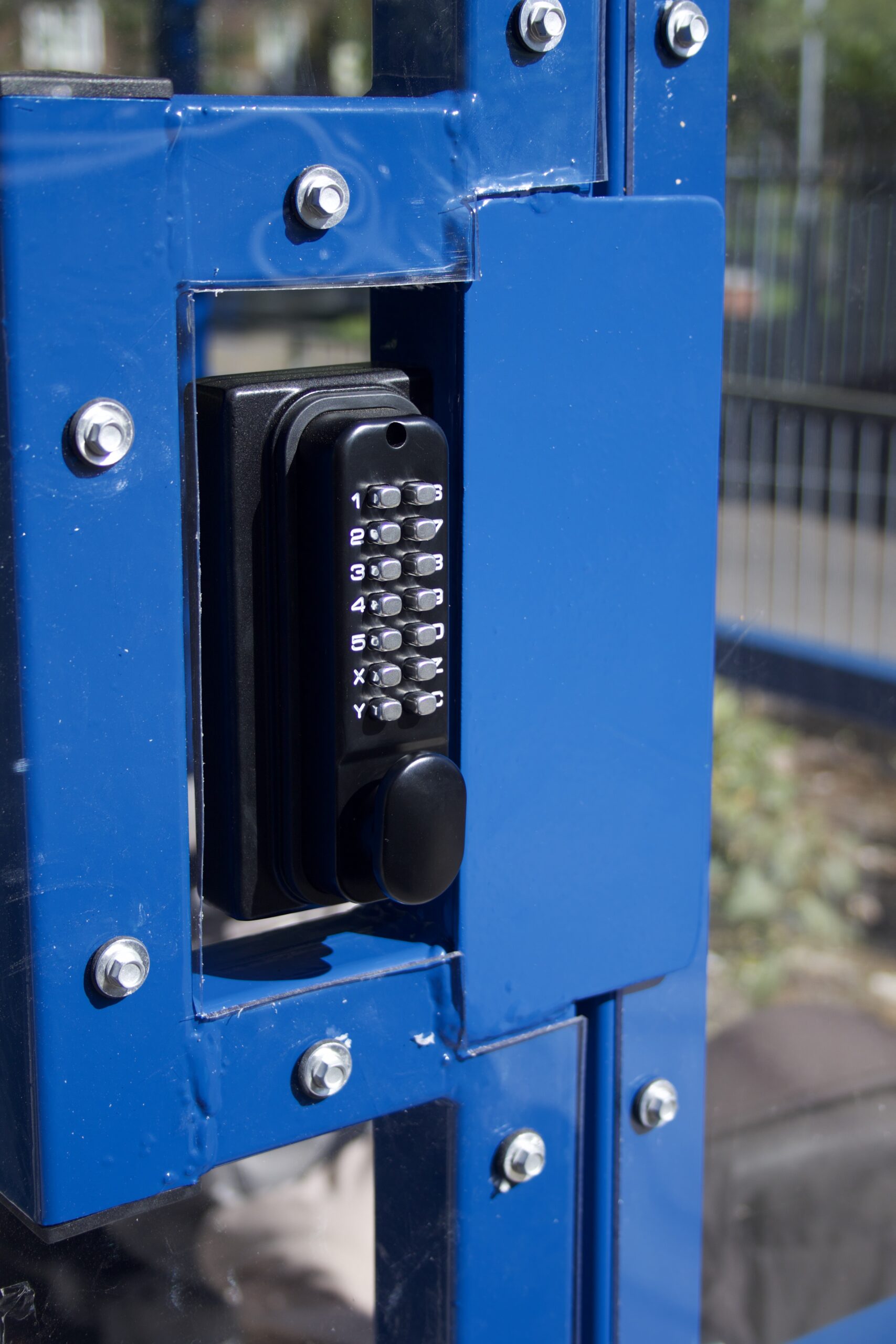
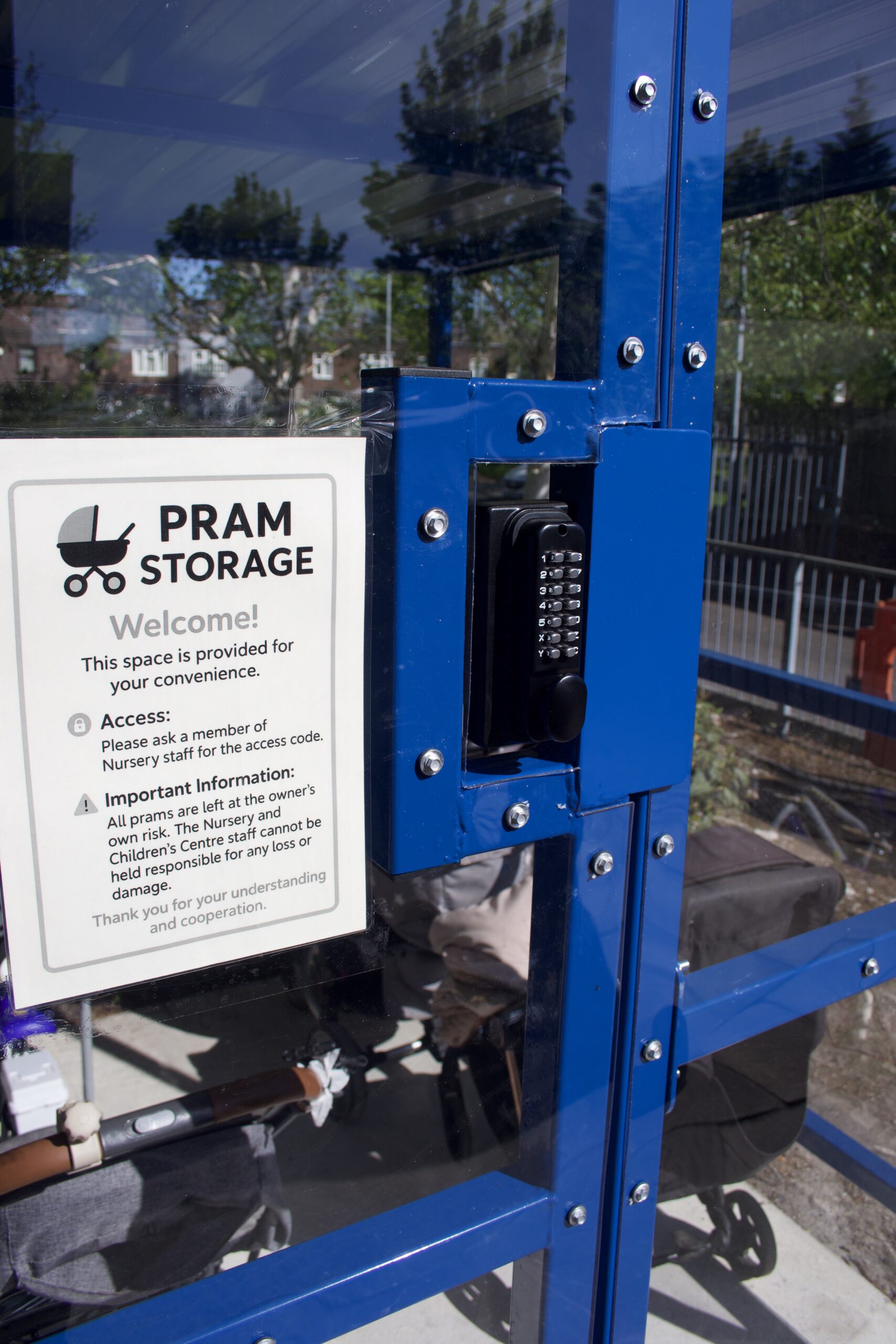
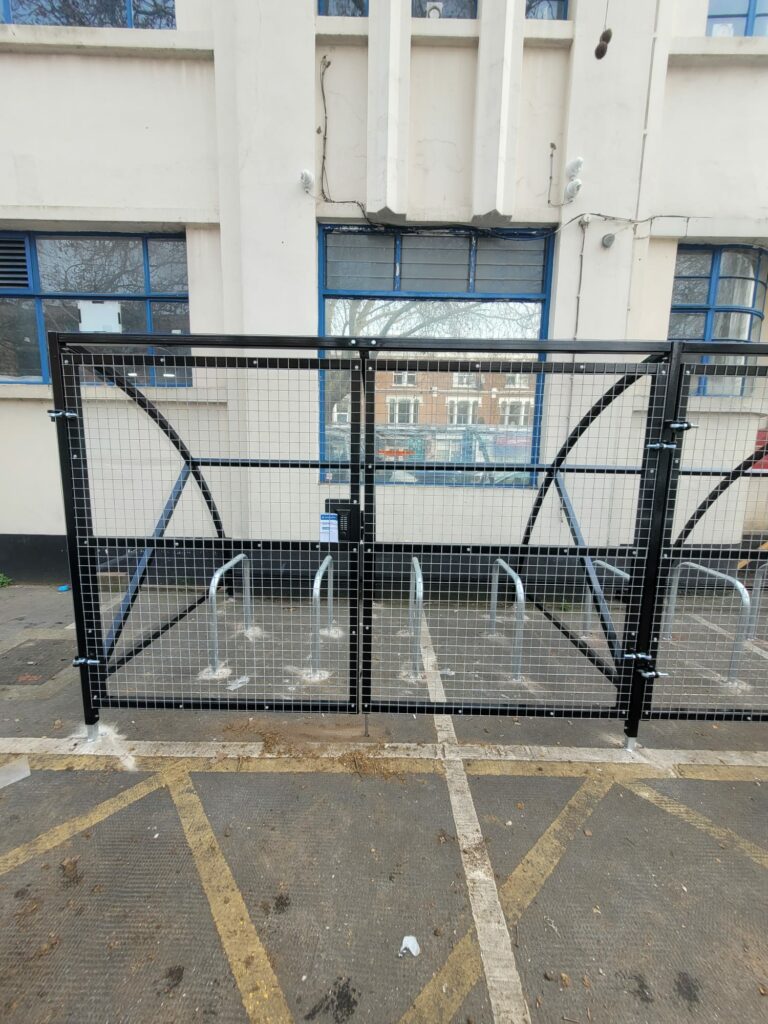
On the right-hand side, the shelter transitions into a secure, enclosed pram storage area. This section is fully clad and fitted with a single swing gate, complete with a digital combination lock to ensure controlled access and peace of mind for families. The inclusion of a central wall divider enhances both security and organisation, clearly separating the two functional areas while maintaining a cohesive overall structure.
Clear PETG cladding has been used on all enclosed sides and the gate, allowing natural light to pass through the shelter while maintaining visibility for safety and supervision. This choice of material not only creates a bright and open feel but also ensures durability and ease of maintenance, these are essential qualities for a high-traffic community setting.
This project demonstrates how a tailored approach to design and installation can deliver a highly functional, durable, and visually cohesive solution. By combining cycle storage with secure pram facilities in a single, well-integrated structure, the Clubmoor Children’s Centre and Family Hub now benefits from an enhanced outdoor space that supports both sustainability and the practical needs of local families.
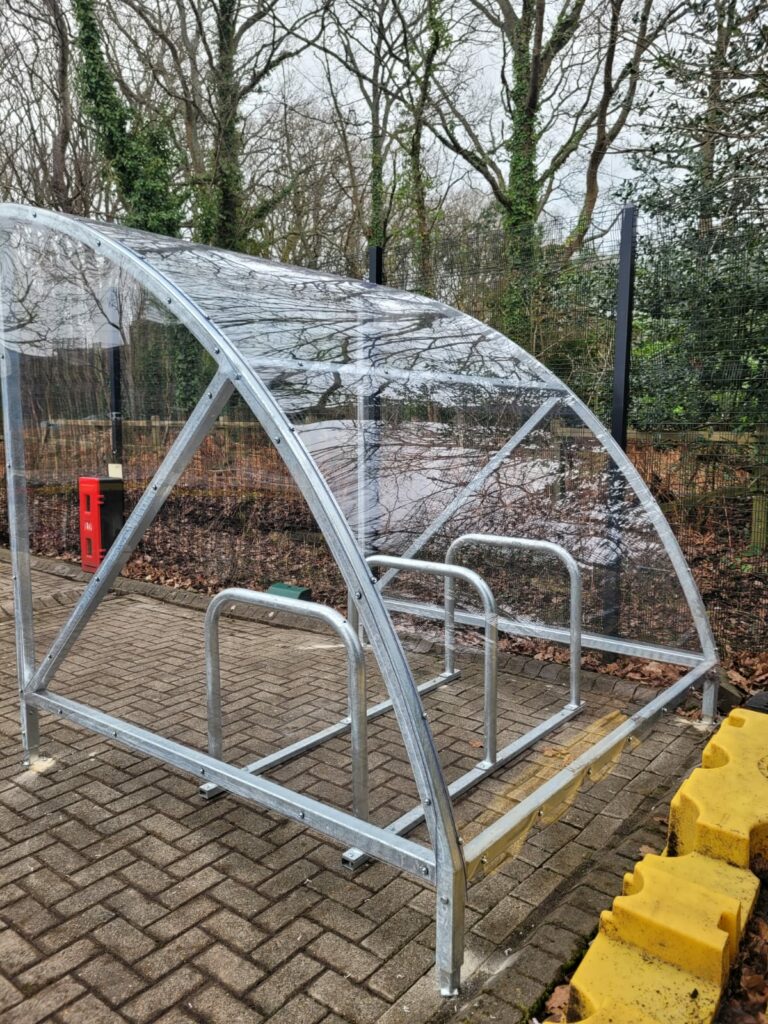
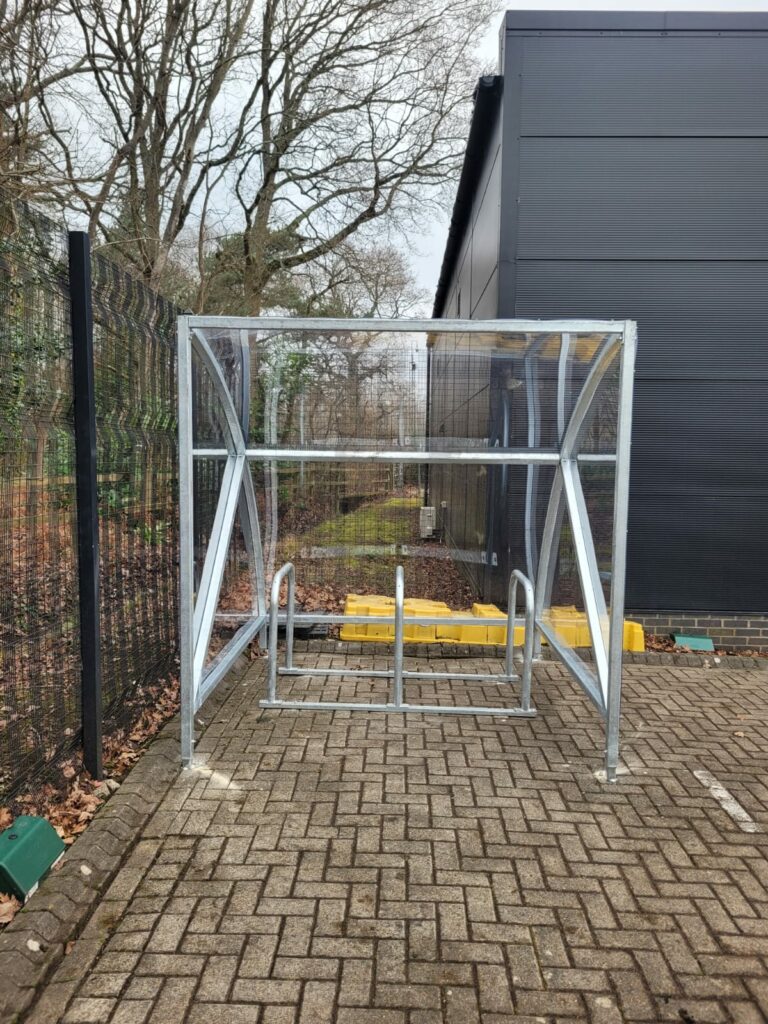
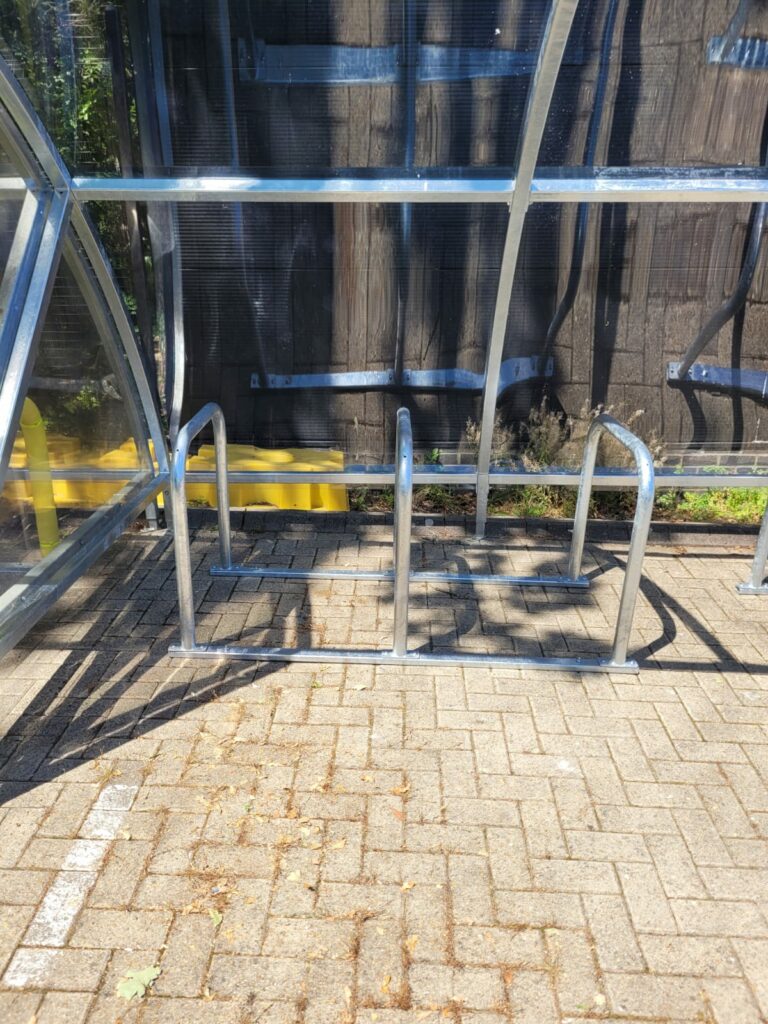
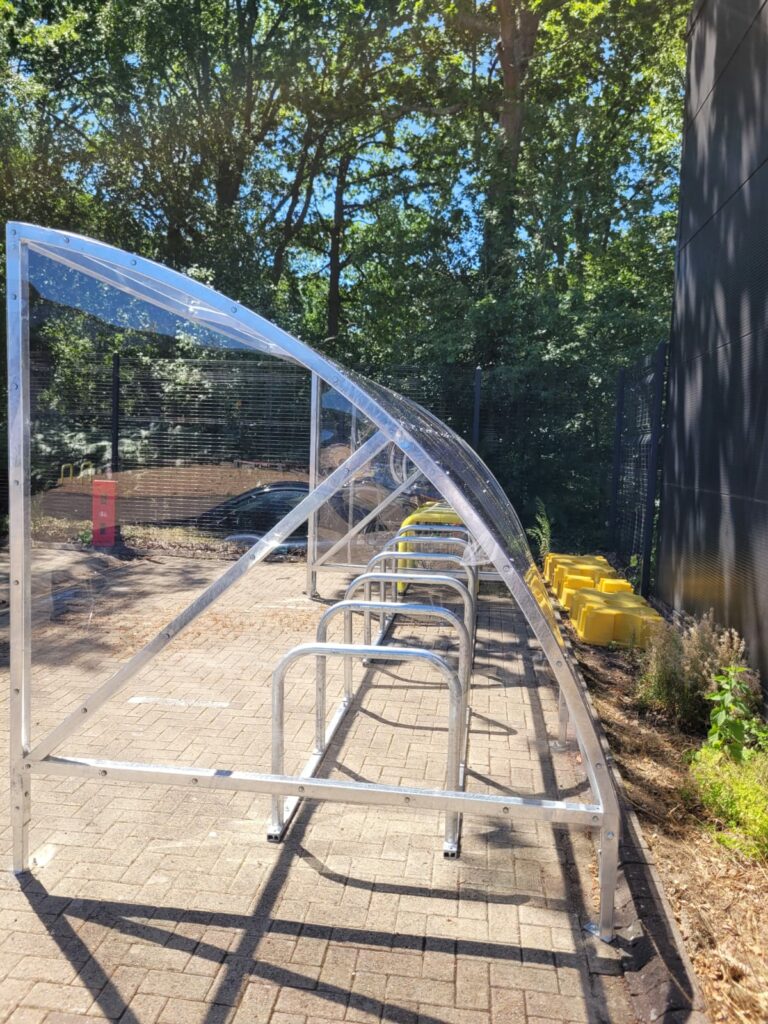
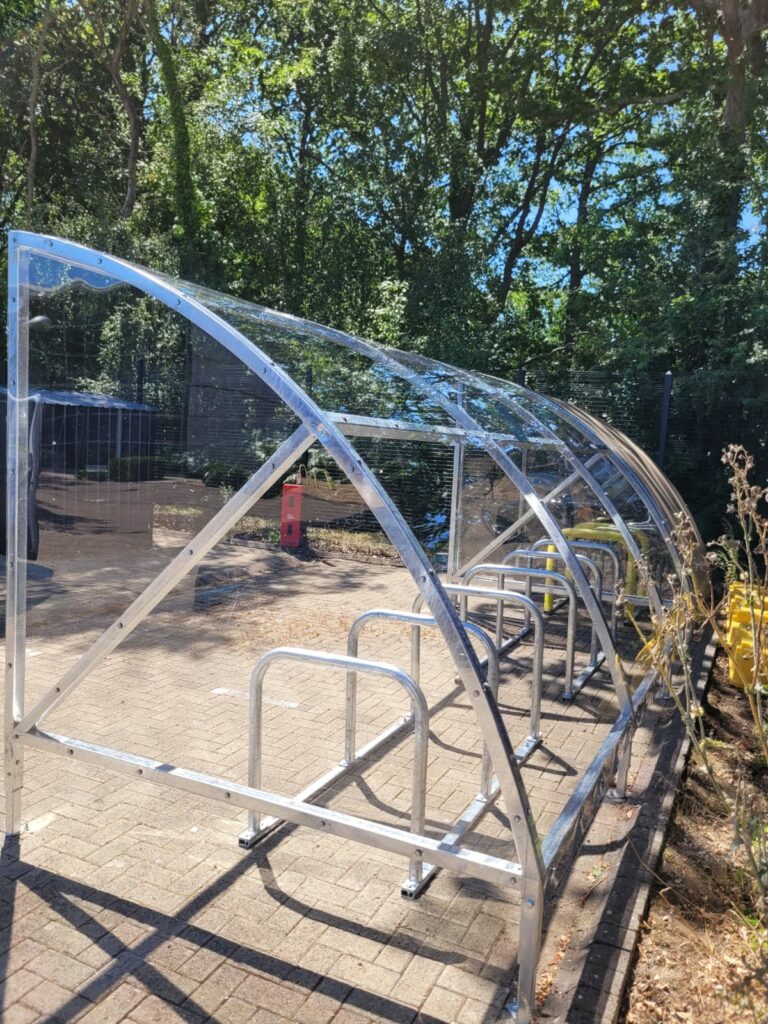
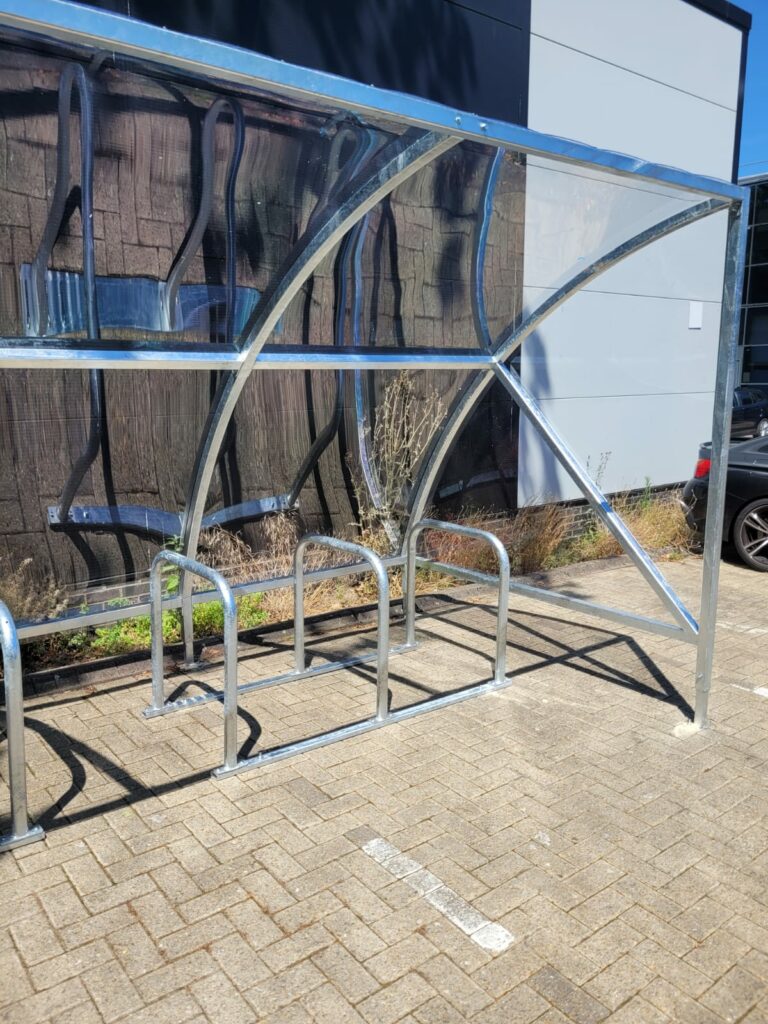
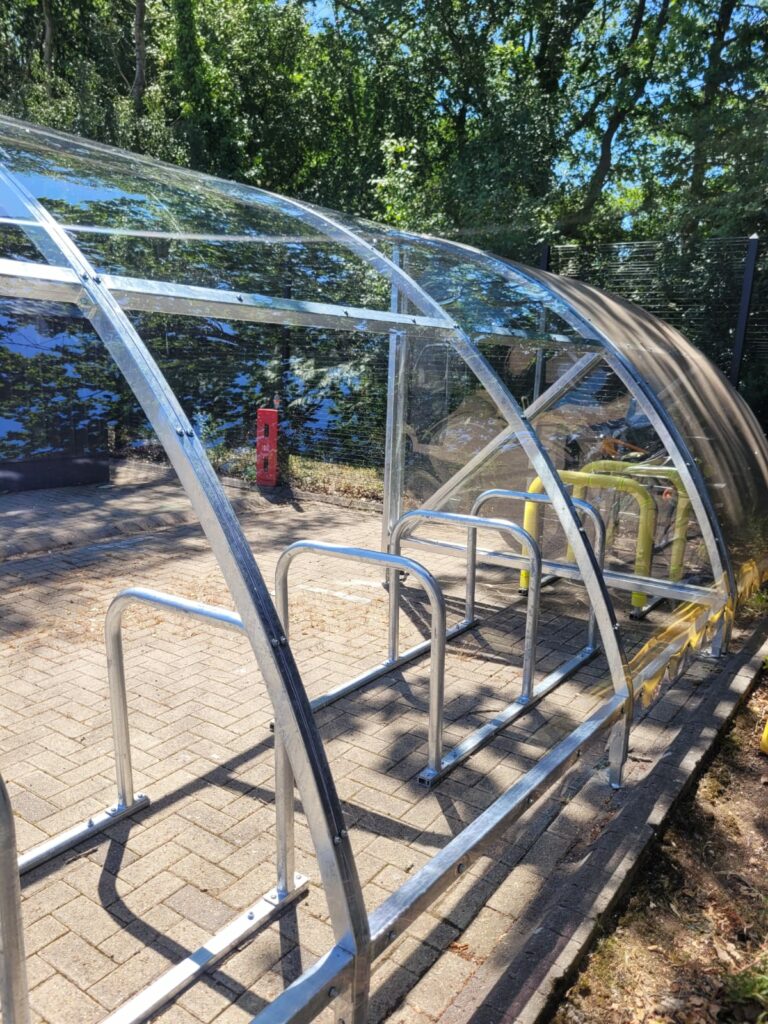
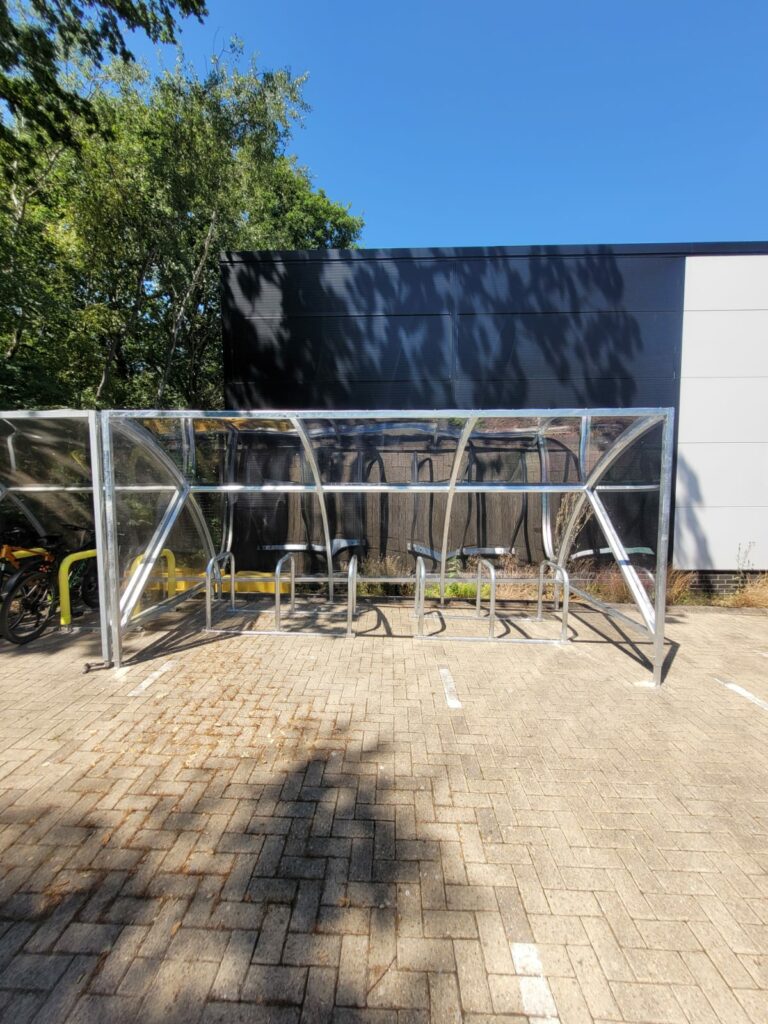
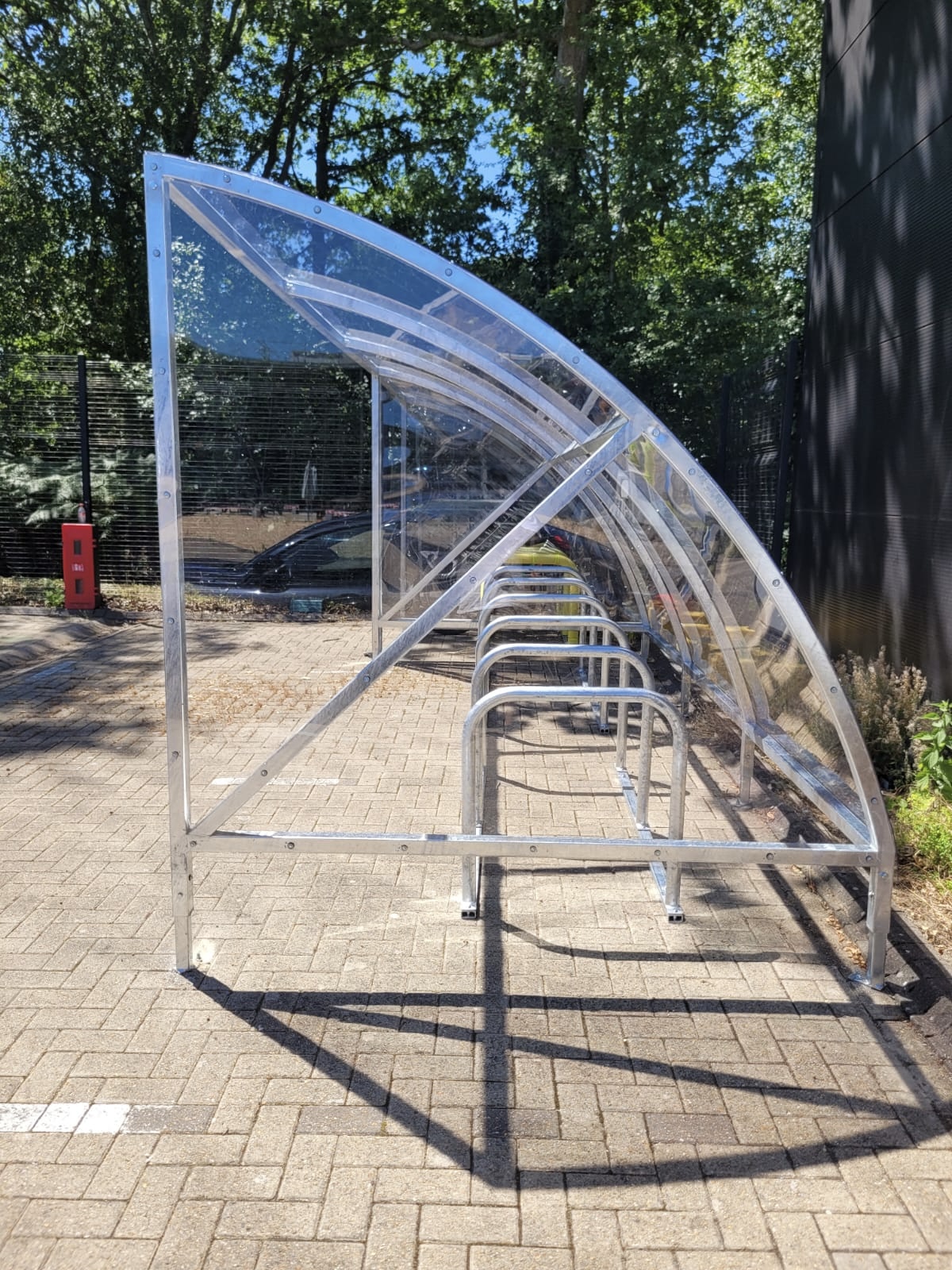
The initial brief for this project was for the supply and installation of a 6-Space Canal Curve Cycle Shelter, designed to provide secure, practical, and visually clean cycle storage. The shelter measured 2100mm in width, depth, height, and featured a durable galvanised steel frame complemented by clear PETG cladding to the rear and sides. The open-fronted design ensures easy access while maintaining protection from harsh weather. As part of the installation, a Sheffield Toast Rack Stand was assembled and securely positioned, creating capacity for up to 6 bicycles.
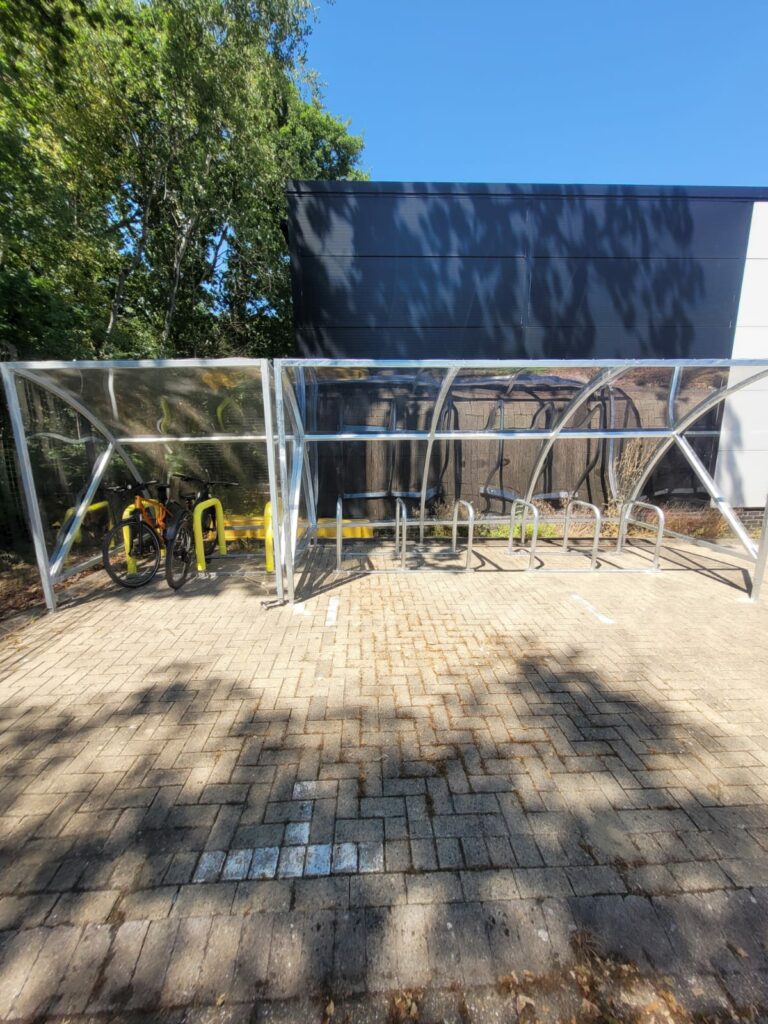
Following the successful delivery of the initial installation, our client re-contacted us to expand their cycle storage facility. This next phase involved the installation of a larger, 12-Space Canal Curve Cycle Shelter, positioned alongside the existing structure to create a cohesive solution.
The new shelter significantly increased capacity, measuring 4600mm wide, 2100mm deep, and 2100mm high, it utilised the same robust galvanised steel frame and clear PETG cladding to ensure durability, weather resistance, and a consistent aesthetic. A Sheffield Toast Rack Stand was installed within the shelter, providing secure parking for up to 12 bicycles.
As with the initial project, the installation process was handled end-to-end by our team. This included full on-site assembly of the shelter structure and careful integration with the existing shelter.
This project demonstrates our commitment to delivering reliable, high-quality cycle storage solutions that meet our clients requirements. It also highlights the importance we place on client relationships, ensuring that every installation not only meets expectations but builds the confidence needed for future projects. The expansion from a 6-space to a combined 18-space shelter reflects both the success of the original installation and the trust placed in our team to deliver consistent results at a larger scale.
What Shop Fires Are Teaching Us About Modern Fire Risks
In retail, fire risk rarely announces itself. It does not arrive with sirens or warning signs, it begins quietly. A charger left plugged in, a device placed on a counter, a battery reaching the end of its life cycle. On the surface, nothing out of the ordinary. Yet recent events, including widely shared footage from a Glasgow city centre fire, have highlighted just how quickly a seemingly minor incident can escalate into something far more serious.
At the centre of that incident was a factor now common across high streets everywhere, lithium batteries. Over the past decade, lithium batteries have become embedded in the day to day operations of retail environments. From vape products and cordless tools to e-bikes, scooters and mobility aids, they’re now part of infrastructure and services many shops rely on.
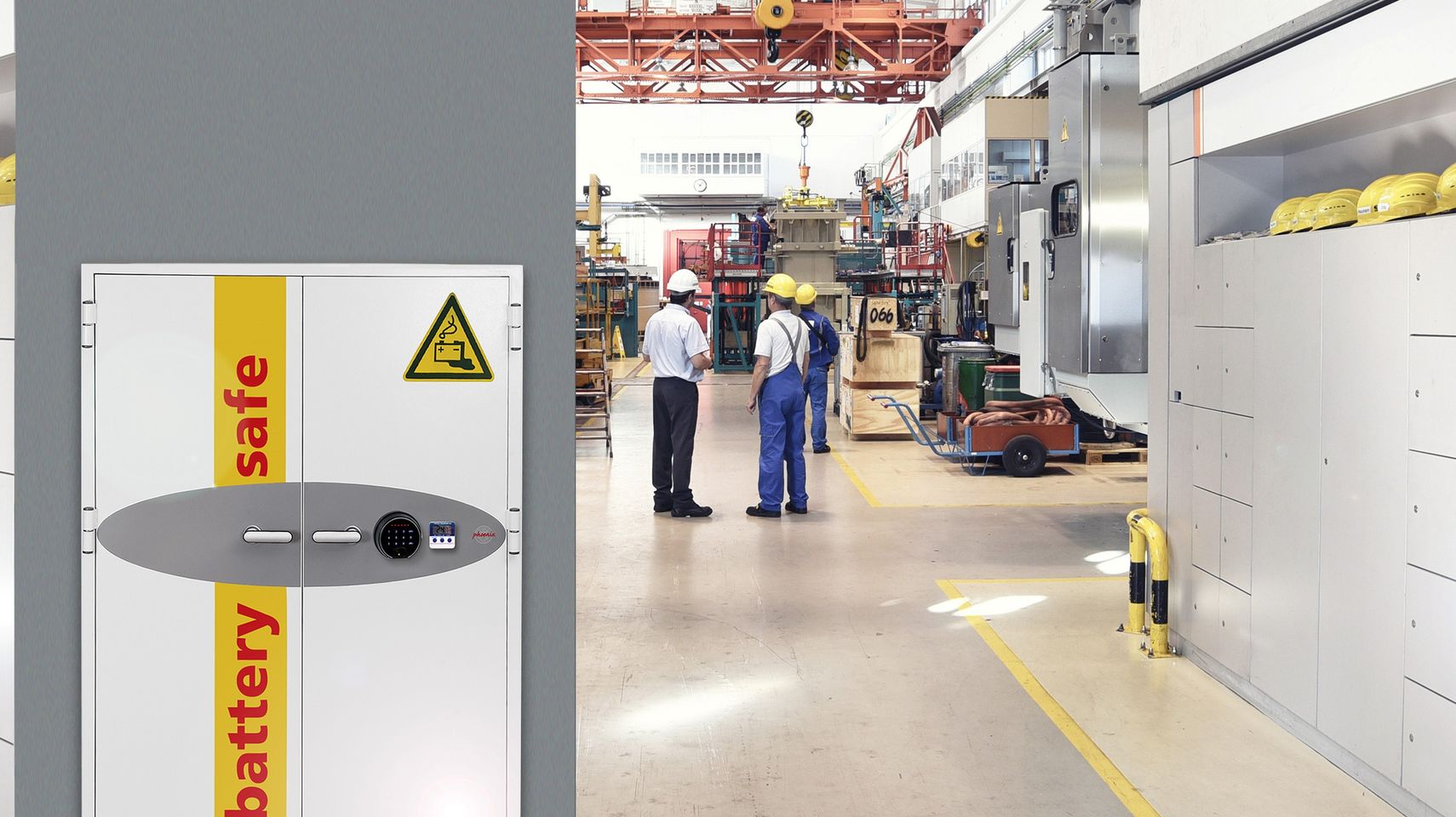
For fire prevention, it is essential to store lithium products in dedicated fire safe units due to the unique way these batteries fail. When a lithium battery enters thermal runaway, it can generate intense heat, flames and gases independently, allowing a fire to escalate rapidly and unpredictably, early footage of the Glasgow fire incident shows exactly this. Even when a fire appears to have been suppressed, it can reignite unexpectedly, sometimes minutes or even hours later. For firefighters, this presents a complex challenge.
Storing lithium powered items within a fire rated unit introduces a critical layer of control. The purpose is not only to protect contents from external fire, but to contain an internal failure at source. By isolating lithium batteries within a fire resistant enclosure, the impact of a single battery failure can be confined, preventing escalation into a wider incident.
Fire safety rated lockers are designed for initial fire prevention. Acting as a fire containment unit, these safes can withstand and contain fire for up to 90 minutes, preventing heat and flames from affecting the surrounding environment during that period. This containment window is a key advantage, providing sufficient time for emergency services to be alerted and attend the scene before the fire can spread beyond the unit. As a result, what could develop into a significant shop fire can instead be managed as a controlled incident, reducing damage, protecting property and significantly improving overall safety outcomes.
A professionally conducted fire risk assessment should now go beyond identifying ignition sources. It should consider how modern risks, including lithium batteries, interact with the physical layout of the premises, how they are managed operationally and how assets are protected in a worst case scenario.
The reality is that shop fires are no longer defined solely by traditional hazards. As technology evolves, so should the approach to safety. The Glasgow incident is not an isolated incident, it is part of a broader pattern across the retail sector.
Over the past 12 months, we have had the pleasure of working closely with Klaver, building a strong and collaborative relationship that officially became a partnership in September 2025. Since formalising this partnership, we have successfully delivered three distinct projects across London, each showcasing the quality, reliability and performance of Klaver’s product range in a real-world scenario.
Klaver brings with it an established reputation, having supplied the global market for more than a decade. Their experience and commitment to innovation have positioned them as a trusted name internationally, we’re proud to represent their interests across the UK and Ireland. This partnership not only strengthens our offering but also enables us to provide our clients with proven solutions backed by years of expertise in the cycling industry.
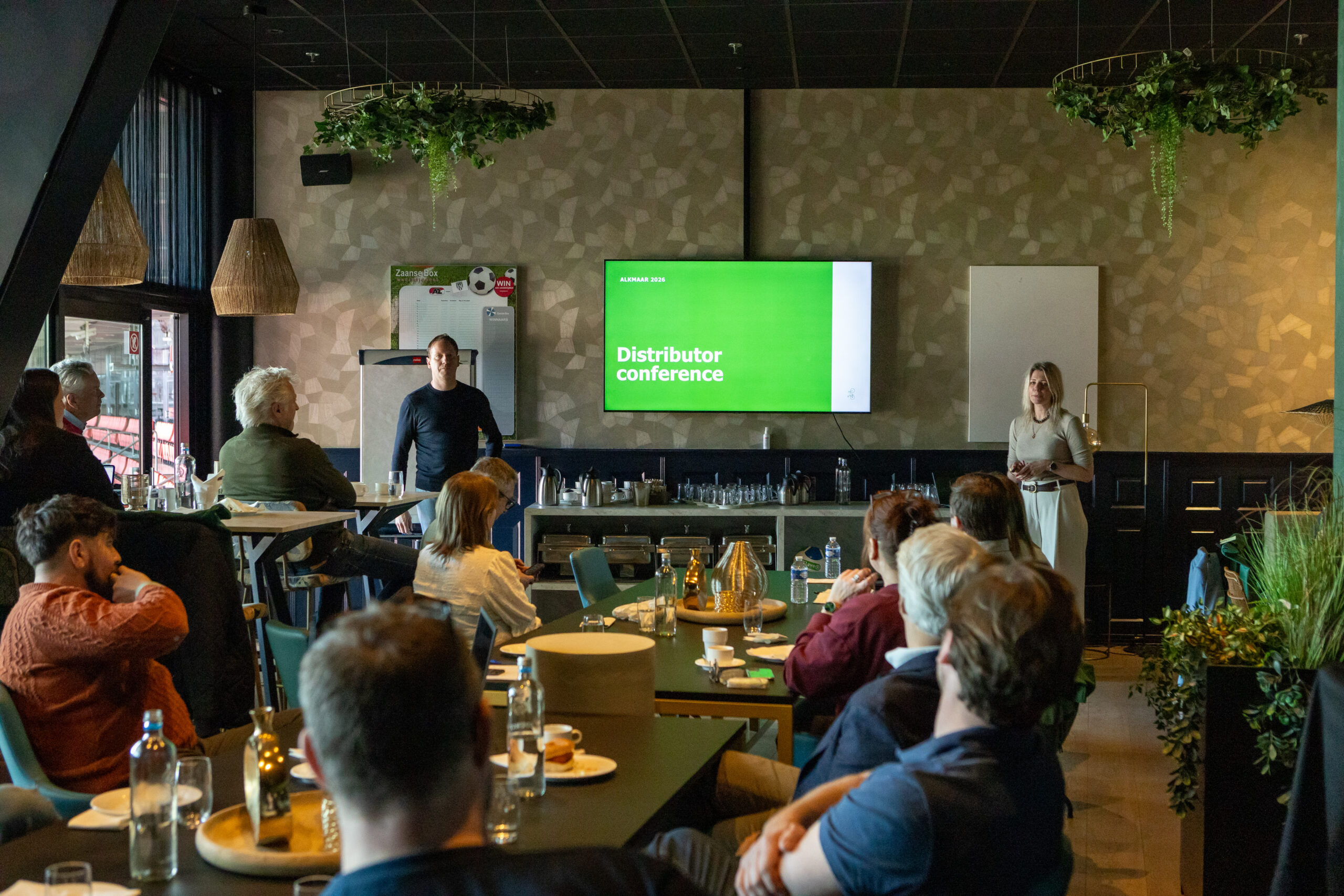
A recent highlight in our journey together was attending the Klaver partner conference in Alkmaar, Netherlands. The event provided a valuable opportunity to connect with industry peers, gain insight into future developments and further align our shared vision for growth. The trip reinforced the strength of the Klaver network and the exciting potential that lies ahead.
As we reflect on the progress made so far, we’re encouraged by what we have achieved together and even more excited about what is to come. With a solid foundation in place and a clear direction forward, we look ahead to a prosperous year, continuing to deliver high-quality projects and expanding Klaver’s presence across the UK and Ireland.
Canal Curve, 16-Space Secure Bike Storage
Delivering practical, durable and visually appealing cycling infrastructure requires efficient on-site execution. This project involved the supply, assembly and installation of a 16-space Canal Curve Sycle Shelter, designed to provide secure, weather-protected bicycle storage while complementing its surrounding environment.
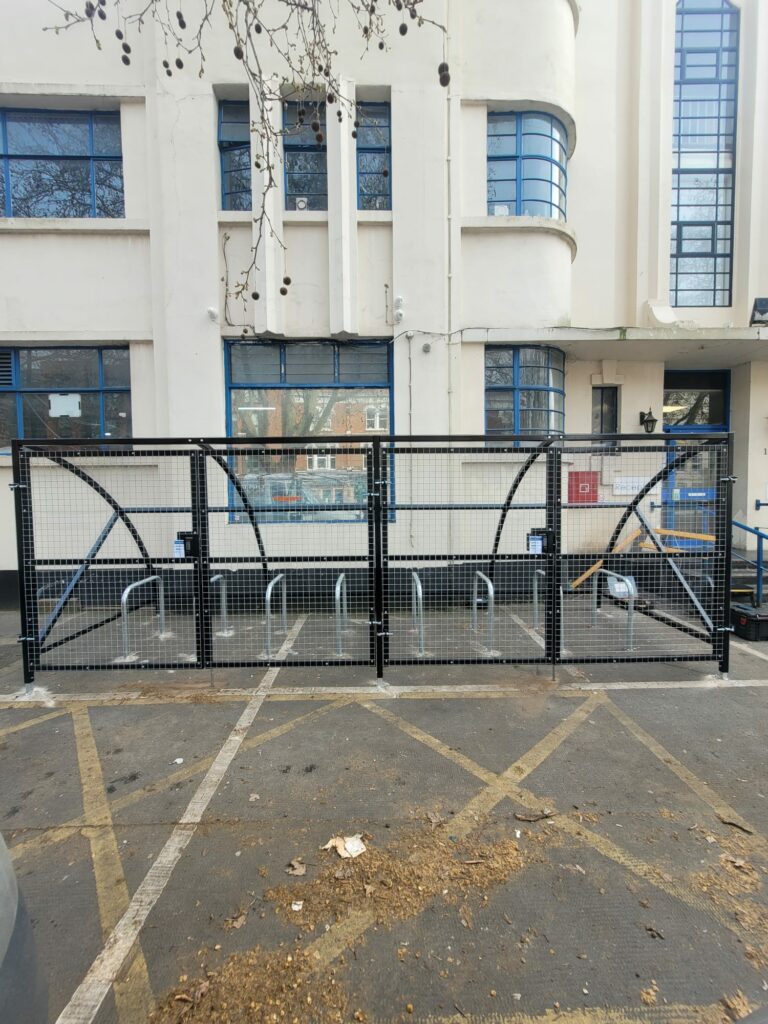
The specified structure measured 6100mm in width, 2100mm in depth, and 2100mm in height, offering a compact yet highly functional footprint. Constructed from galvanised steel and finished with a black powder coating (RAL 9005), the frame is designed to withstand long-term exposure to the elements while maintaining a clean appearance. The choice of finish not only enhances durability but also ensures the shelter integrates seamlessly into both urban and landscaped settings.
Clad with clear PETG panels along the rear and sides, the shelter provides effective protection from wind and rain without compromising visibility or light transmission. The transparent finish enhances user safety by maintaining clear sight lines, which is an important consideration in public environments. A key feature of this installation was the inclusion of two sets of galvanised double swing gates. These gates were fitted with digital combination locking mechanisms, providing a secure yet accessible solution for controlled cycle storage. Careful attention was given to the alignment and operation of these gates during installation, ensuring smooth functionality and reliable locking performance.
Internally, the shelter was fitted with 8 Sheffield Cycle Stands, accommodating up to sixteen bicycles. These stands were positioned and installed with precision to maximise space efficiency while allowing ease of use for cyclists. The Sheffield stand design was selected for its robustness, simplicity, making it an ideal choice for high-traffic cycle parking.
This project highlights the importance of combining high-quality materials with specialist installation. From structural assembly to final detailing, every stage was executed with precision, delivering a reliable cycle storage solution built to perform over the long term.
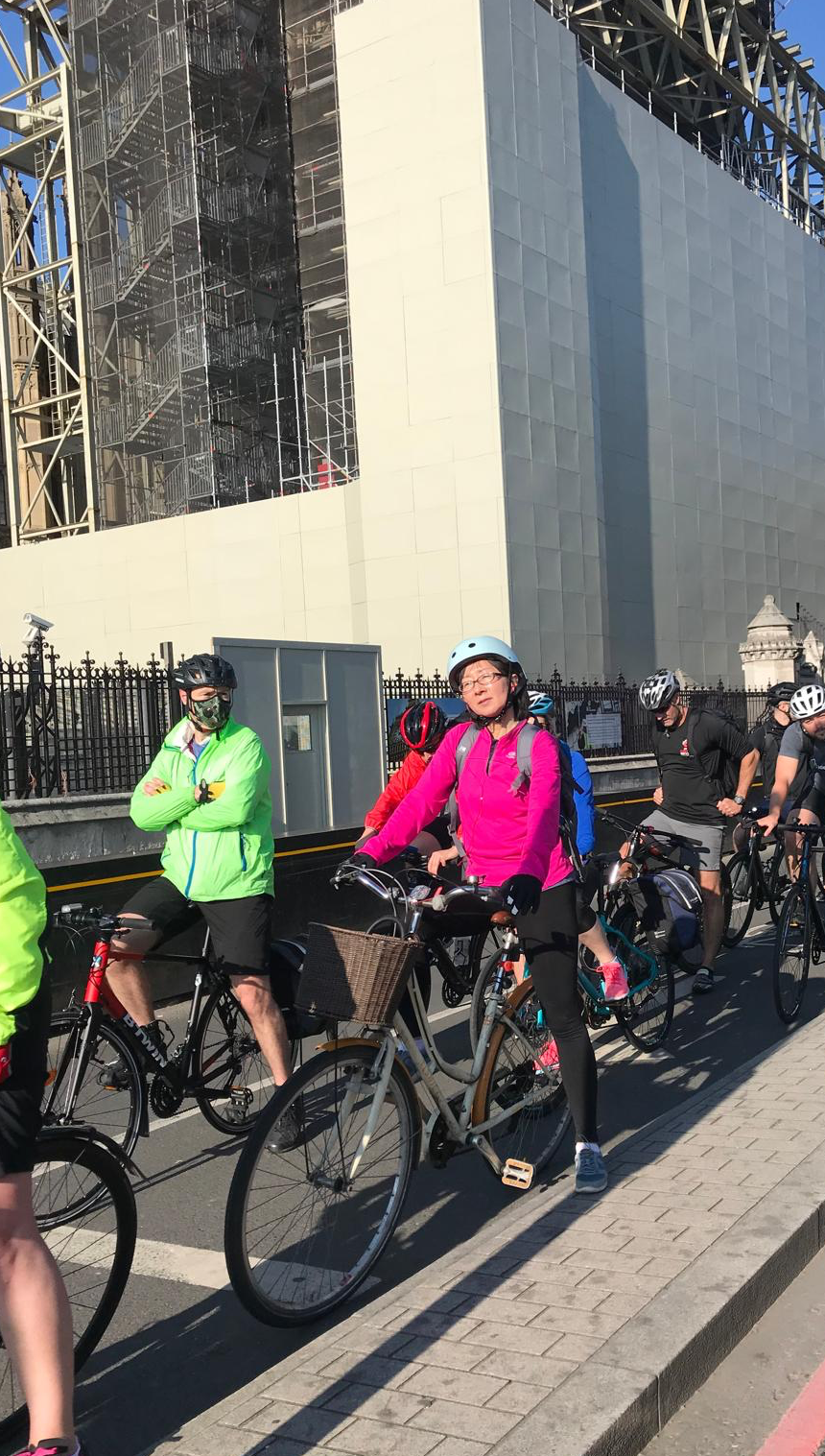
For years, conversations around cycling uptake have focused on infrastructure, government policy, and individual motivation. While these are all important, one influence is often underestimated, the workplace. Where we work, how we work and accessibility quietly shape whether cycling feels realistic, convenient, or even possible.
For many people, the decision to cycle isn’t just about owning a bike or wanting to be more active. It’s about whether their daily routine supports it. Lack of facilities and concerns about appearance or productivity can all act as barriers. Even in cities where cycling infrastructure has improved, these workplace-related factors can still prevent people from making the shift.
On the other hand, when employers actively support cycling, the impact can be immediate and meaningful. Simple measures, secure bike storage, access to showers, flexible start times, or participation in cycle-to-work schemes can transform cycling from an inconvenience into a viable option. Just as importantly, workplace culture plays a role. When cycling is normalised and encouraged, it becomes part of the everyday culture rather than an exception.
There is a broader opportunity here. Supporting cycling isn’t just about commuting, it feeds into wellbeing, productivity and sustainability goals. Employees who cycle regularly often report improved mental health, higher energy levels and reduced stress. For organisations, this can translate into better engagement, lower absenteeism and a more positive workplace environment.
At a time when many businesses are refining their ESG commitments and looking for practical ways to reduce their environmental impact, cycling offers a tangible, visible solution. Encouraging even a small percentage of employees to switch from car travel to cycling can contribute meaningfully to carbon reduction targets, while also strengthening employer and employee satisfaction.
The key point is this, workplaces are not just passive environments where commuting habits play out, they’re active influencers of those habits. By recognising this role and taking relatively simple steps, employers can become powerful enablers of change.
If we want to see a real shift in cycling across the UK, the conversation needs to extend beyond roads and policies. It needs to include offices, organisations and leadership teams. Because the journey to more cycling doesn’t just start at home, it starts with where and how we work.
Cycle theft in the UK’s capital has reached a crisis point. According to the London Cycling Campaign’s (LCC) landmark Broken Locks, Broken Promises report, an estimated 40,000 bicycles are stolen in London every single year. This is a figure widely considered an underestimate due to major underreporting.
The scale of police inaction is a huge concern. Only around 2% of stolen bicycles in London are ever recovered, this is one of the lowest recovery rates among all UK police forces. For victims, the experience is often compounded by a dismissive institutional response. Of those who reported theft to the Metropolitan Police, 79% said officers took no meaningful action and 69% described the police response as inadequate. In several documented cases, investigations were closed on the same day as the theft, without officers even requesting available CCTV footage.
The LCC survey, which gathered responses from 1,924 London cyclists, found that 74% had experienced cycle theft personally or within their household, a shocking proportion, particularly given that the majority of victims reported using high-grade security measures. More than half (54%) used Sold Secure gold-rated locks or above, 62% had their bikes registered on a national cycle database and 47% had security marked their bicycle, yet theft remains largely unpunished.
The consequences extend far beyond financial loss. A quarter of theft victims reported that they either stopped cycling altogether for a period or cycled less frequently following their experience. This depreciation of cycling participation carries serious implications for public health, urban congestion and the UK’s net zero commitments. The LCC is calling for urgent systemic change. Key recommendations include a 10% annual reduction target in cycle theft, mandatory bike marking and registration (following France’s lead) and the installation of secure cycle parking at stations and public locations by councils, TfL and Network Rail.
The case for action is highly important. Tackling cycle theft is not just a policing issue, it is a public health and infrastructure priority. Secure, well-designed cycle storage removes opportunity for theft, rebuilds rider confidence, and signals that cycling is a mode of transport worthy of protection. Without it, the UK risks undermining its own active travel agenda before it has had the chance to take root. The time to act is now.
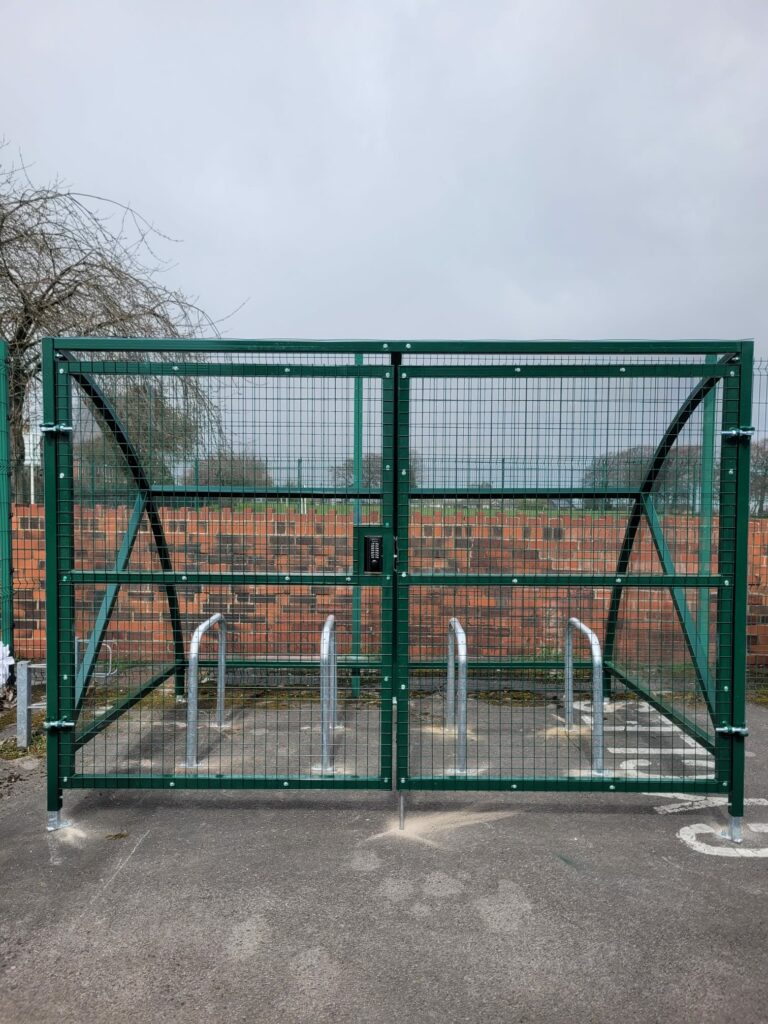
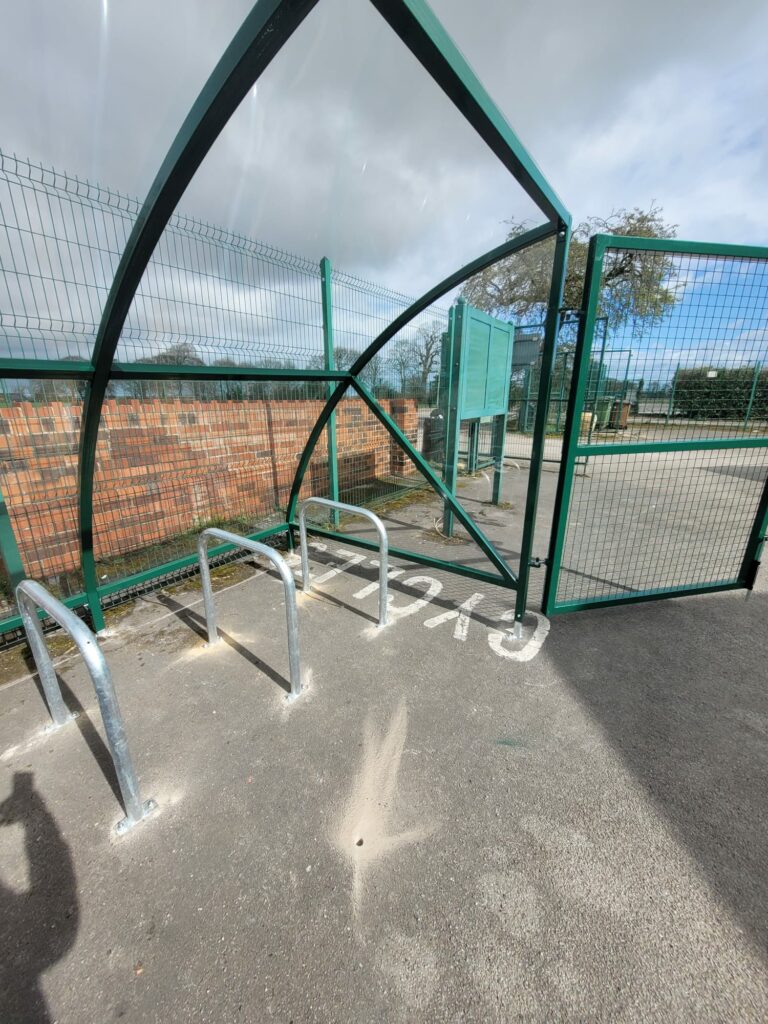
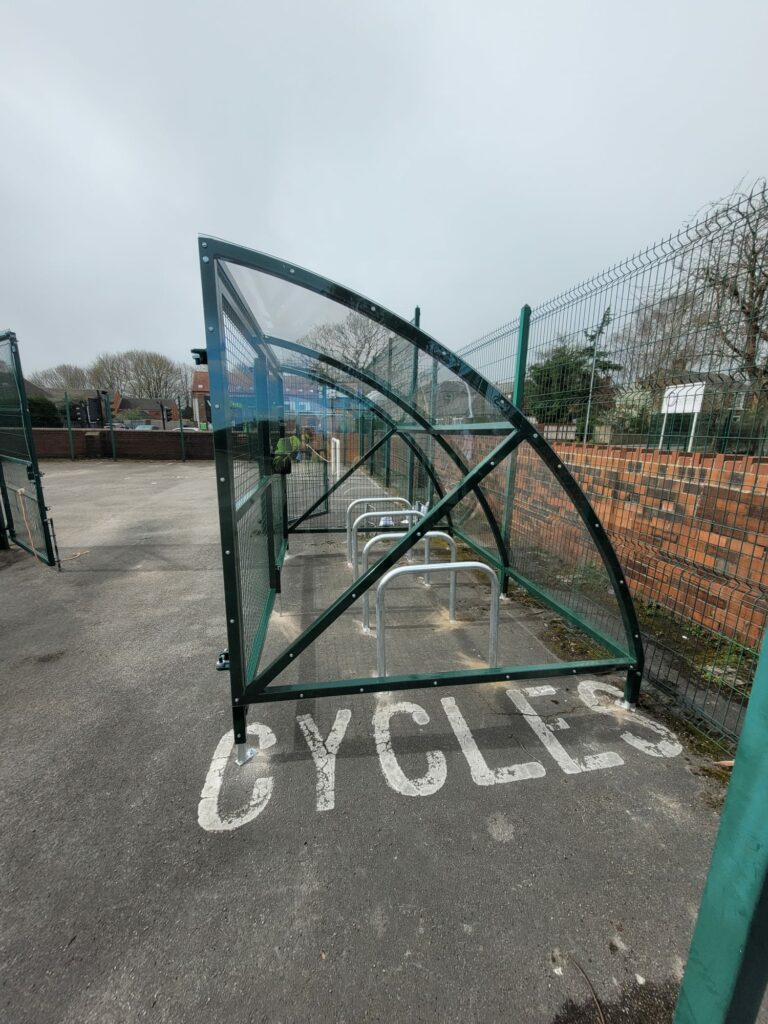
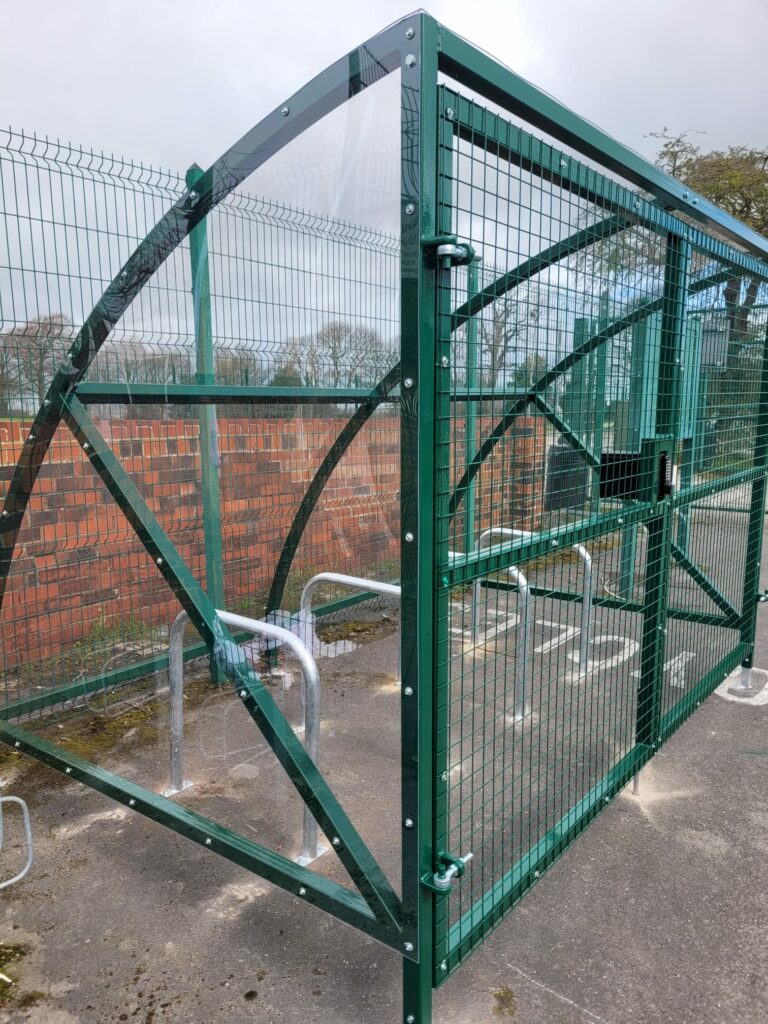
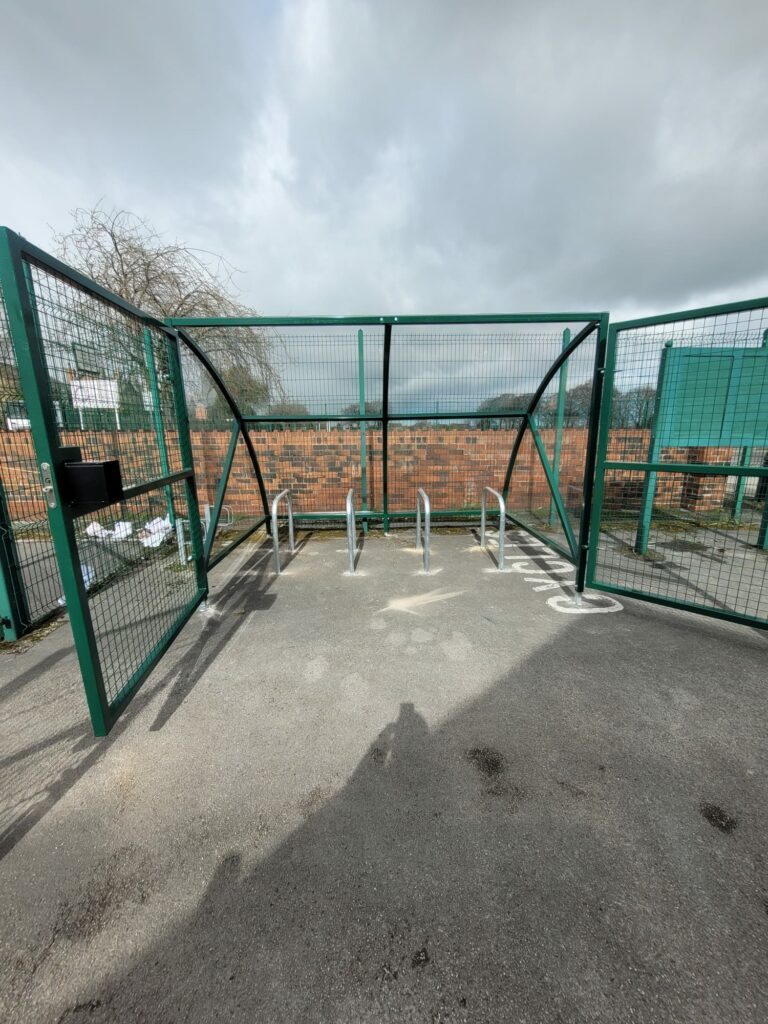
Canal Curved Secure Cycle Shelter System Installation
Delivering secure, practical and visually cohesive cycle storage solutions is a key part of supporting sustainable transport infrastructure. This project involved the supply, assembly and installation of a high-quality Canal Curve Cycle Shelter, designed to provide secure and accessible bike storage while complementing the surrounding environment.
The specified structure measured 3100mm in width, 2100mm in depth and 2100mm in height, offering a compact yet efficient footprint suitable for a variety of locations. The shelter was manufactured using a robust galvanised steel framework, finished with a durable powder coating in Moss Green (RAL 6005). This finish was selected not only for its resilience against weathering and corrosion, but also for its ability to blend seamlessly into landscaped or urban settings.
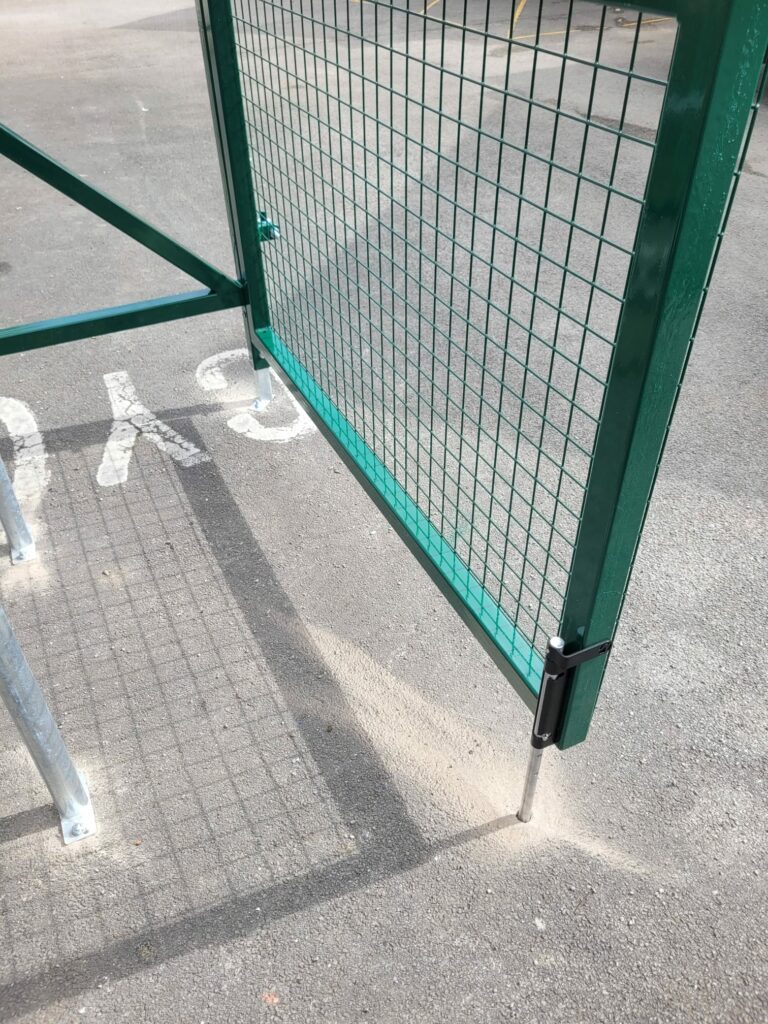
To ensure both visibility and protection, the shelter was clad with clear PETG panels along the rear and sides. This material provides a strong, impact-resistant barrier against the elements while maintaining a light, open feel that enhances usability. Access to the shelter was secured with a mesh-clad double swing gate, also powder coated to match the main structure. The gate was fitted with a hasp and staple locking mechanism, carefully installed and tested to ensure smooth operation and reliable security.
Internally, the shelter was equipped with 4 Sheffield-style cycle stands, providing storage for up to eight bicycles. These stands were positioned and installed with precision to maximise usability and ensure adequate spacing for users, supporting both convenience and protection against bike damage.
Given that the installation area consisted of a tarmac surface, careful consideration was given to the fixing method. Resin fixings was identified as a potential requirement to ensure a secure and long-lasting installation.
The project concluded with a thorough site clean-up, leaving the area tidy and ready for immediate use. The completed cycle shelter now offers a secure, weather-protected and visually appealing solution for bicycle storage, supporting active travel and enhancing the usability of the space.
This installation demonstrates our commitment to delivering high-quality cycle infrastructure, combining durable materials, precise workmanship and efficient project management to meet the needs of modern environments.
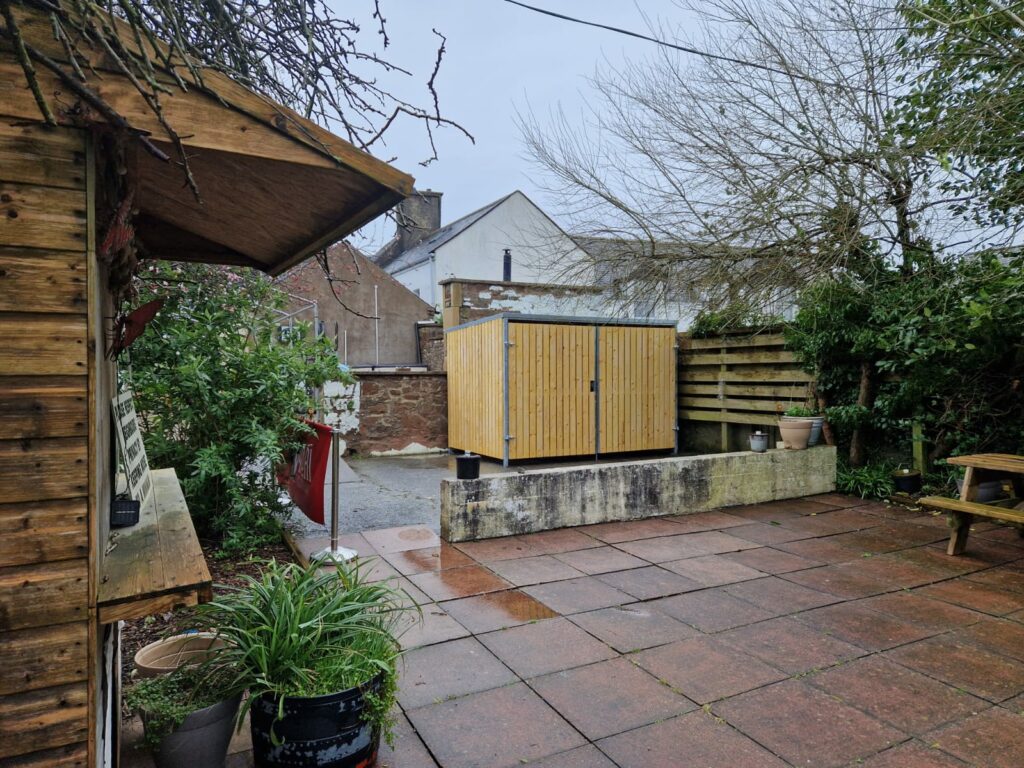
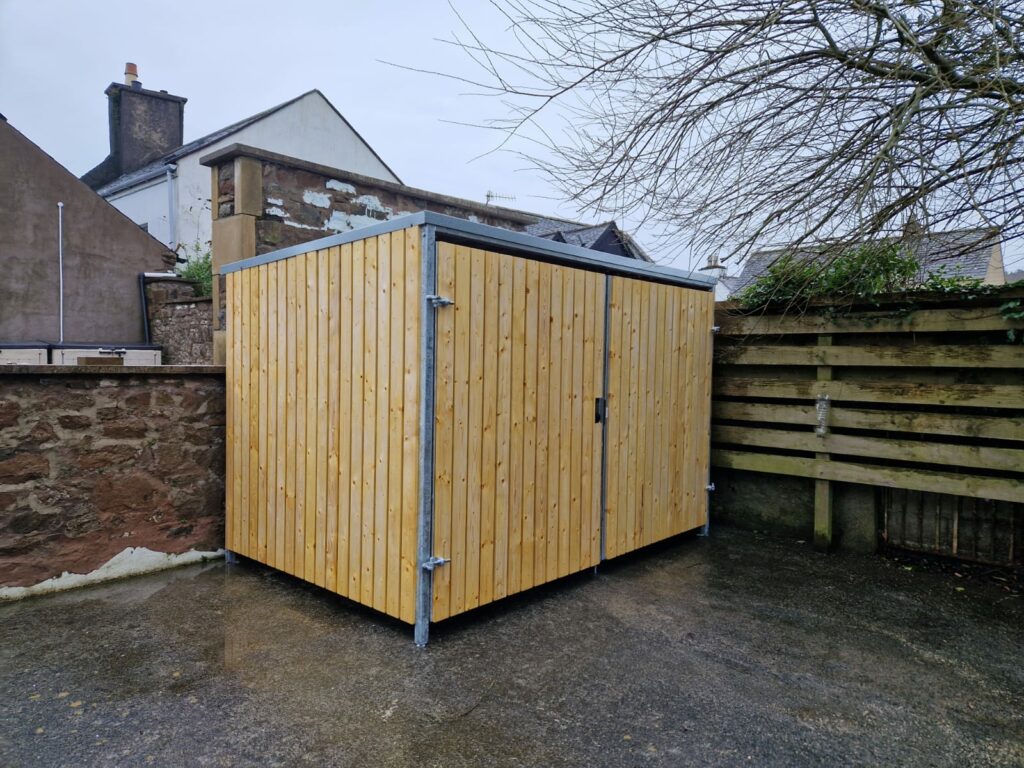
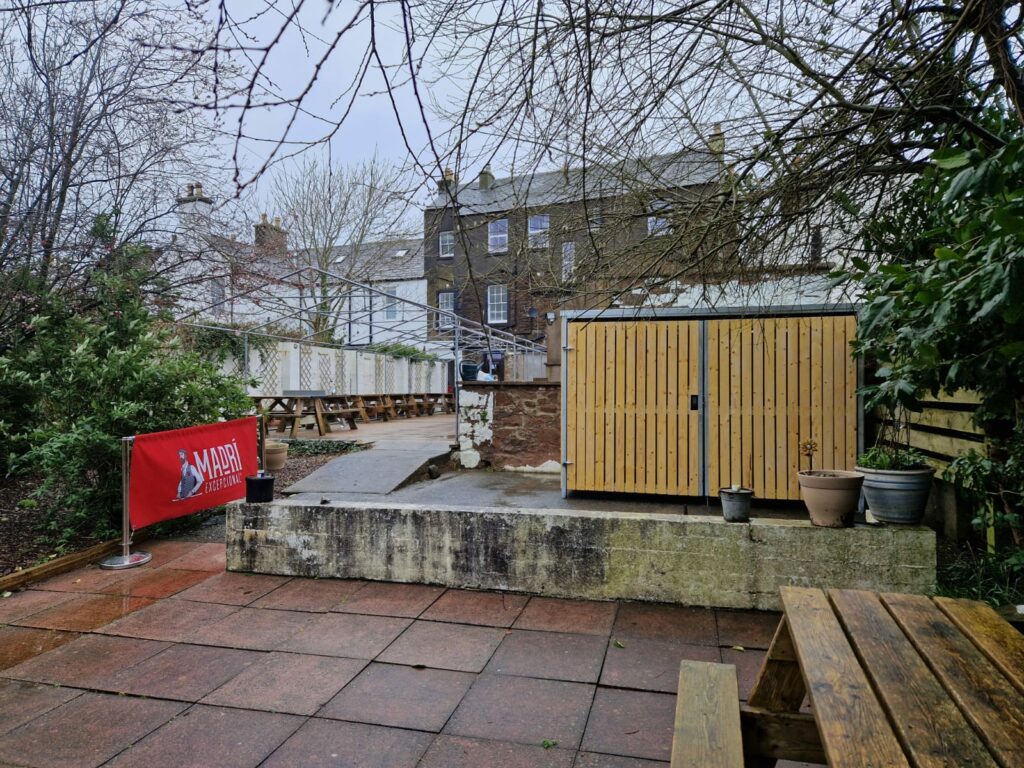
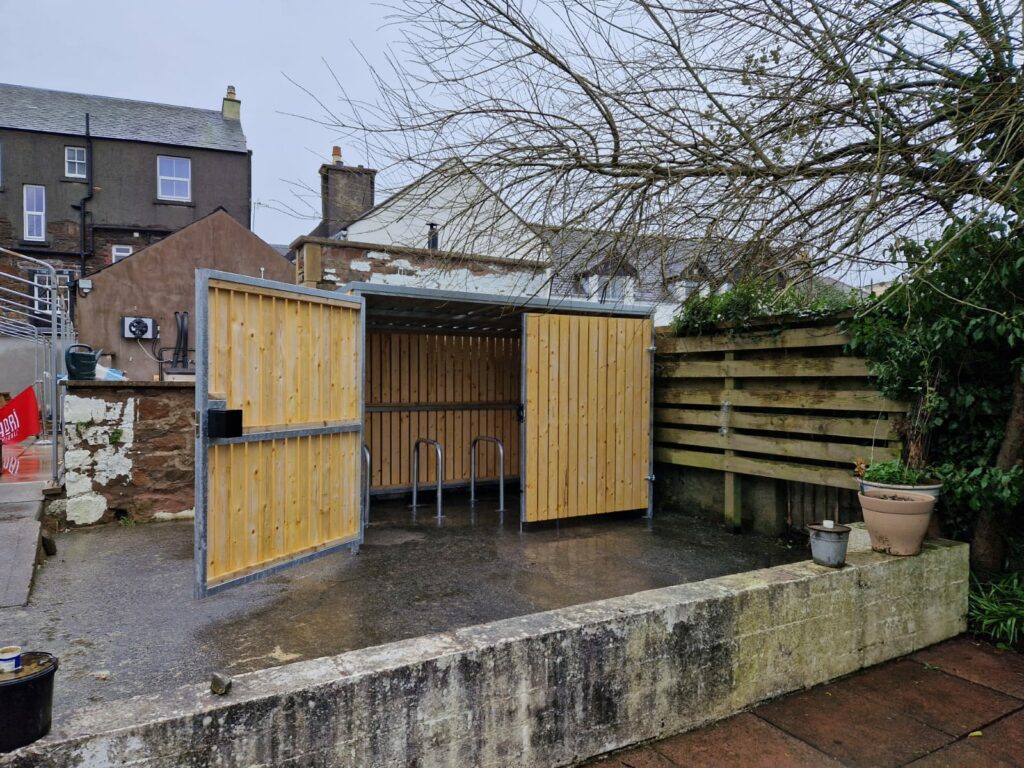
8 Space Timber Cycle Shelter The Garret Hotel & Restaurant
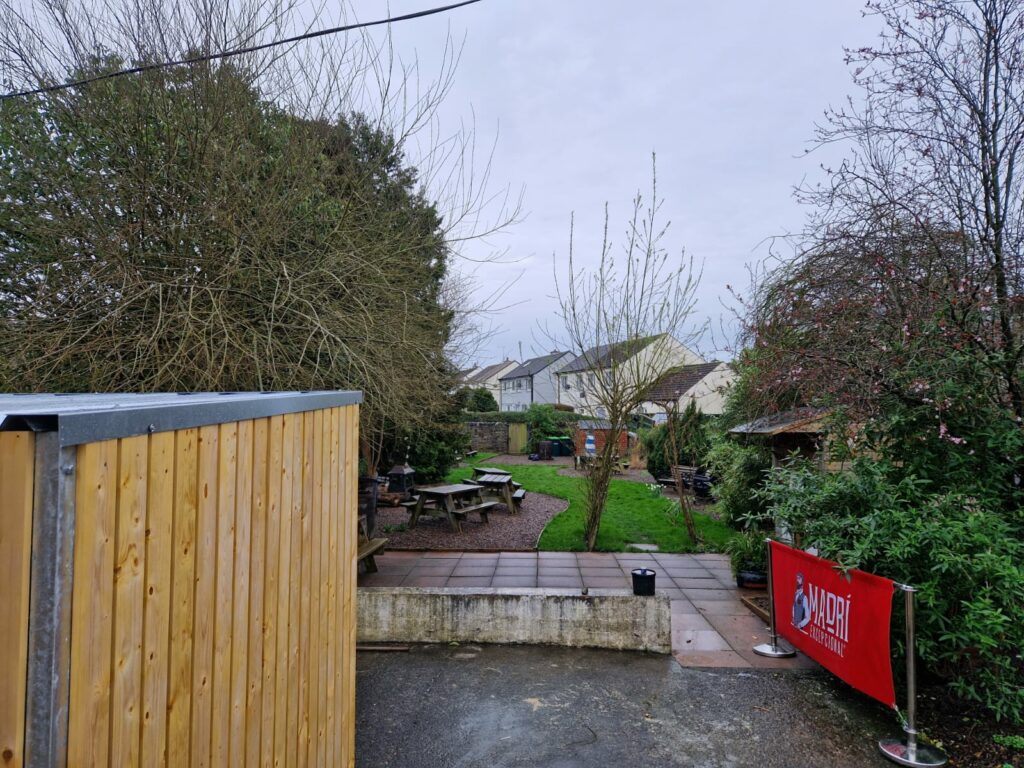
Located in the heart of Kirkcudbright, The Garret Hotel & Restaurant required a practical and well-designed cycle storage solution that complements its surroundings. As a popular destination for both visitors and locals, it was important that the installation not only provided secure cycle parking but also enhanced the overall appearance and functionality of the site.
We were appointed to supply and install an 8 space Trinity Timber Cycle Shelter, purpose-built to suit the setting and operational needs of the hotel. Measuring 3100mm wide by 2100mm deep and 2100mm high, the structure was designed to offer a compact yet highly effective storage solution, ideal for accommodating visiting cyclists in a convenient and secure manner.
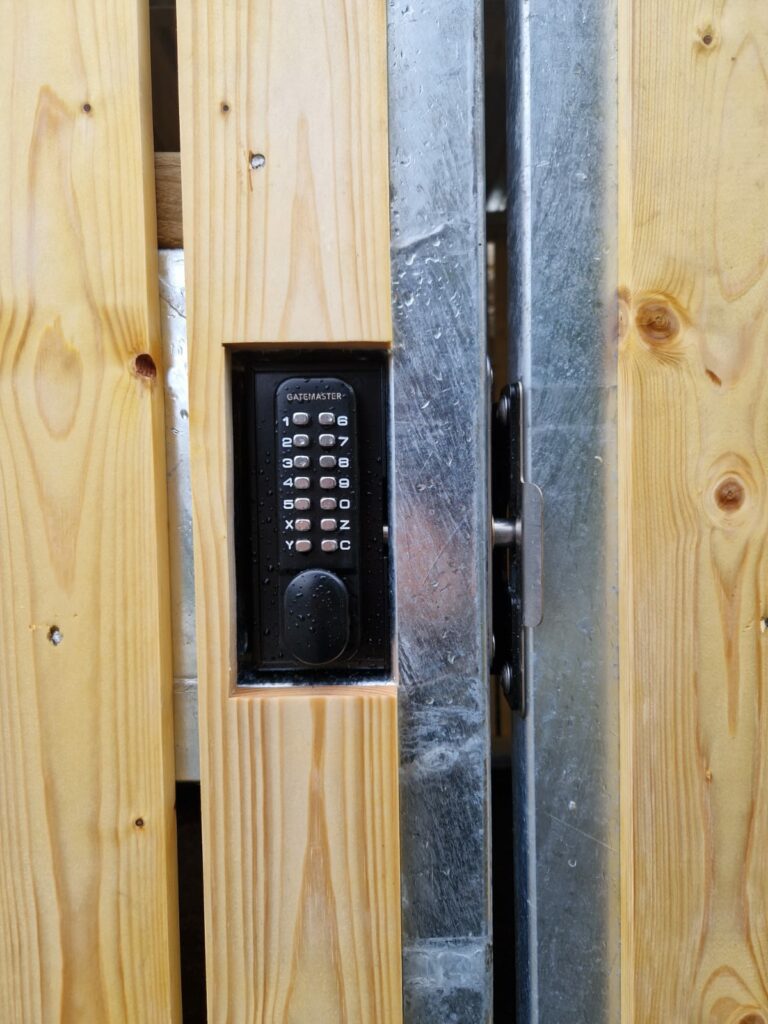
Access to the shelter is provided via a timber clad double swing gate, offering ease of entry while maintaining security. The gate is fitted with a digital combination lock and drop bolt, giving users confidence that their bicycles can be stored safely while they visit the hotel or explore the local area. The roof is formed using galvanised box profile sheets, complete with neatly installed flashings to the front and sides, ensuring effective weather protection and a clean, professional finish.
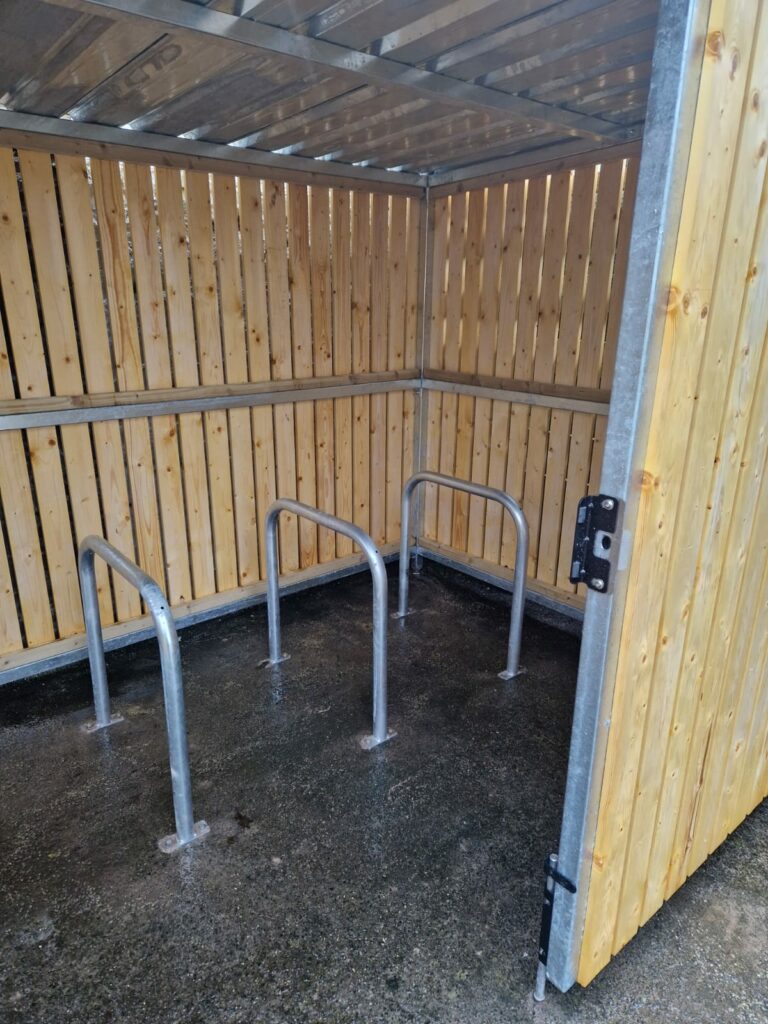
Internally, the shelter is fitted with 4 Sheffield Cycle Stands, providing secure and organised parking for up to 8 bicycles. The layout was carefully planned to maximise the available space while allowing for easy access and manoeuvrability, ensuring a user-friendly experience for cyclists of all types.
Upon completion, the entire work area was thoroughly cleared and presented ready for immediate use, minimising disruption to the hotel’s day-to-day operations. This project demonstrates how well-designed, high-quality cycle infrastructure can add real value to hospitality settings, encouraging environmentally friendly transport choices while providing guests with the convenience and security for their bikes.
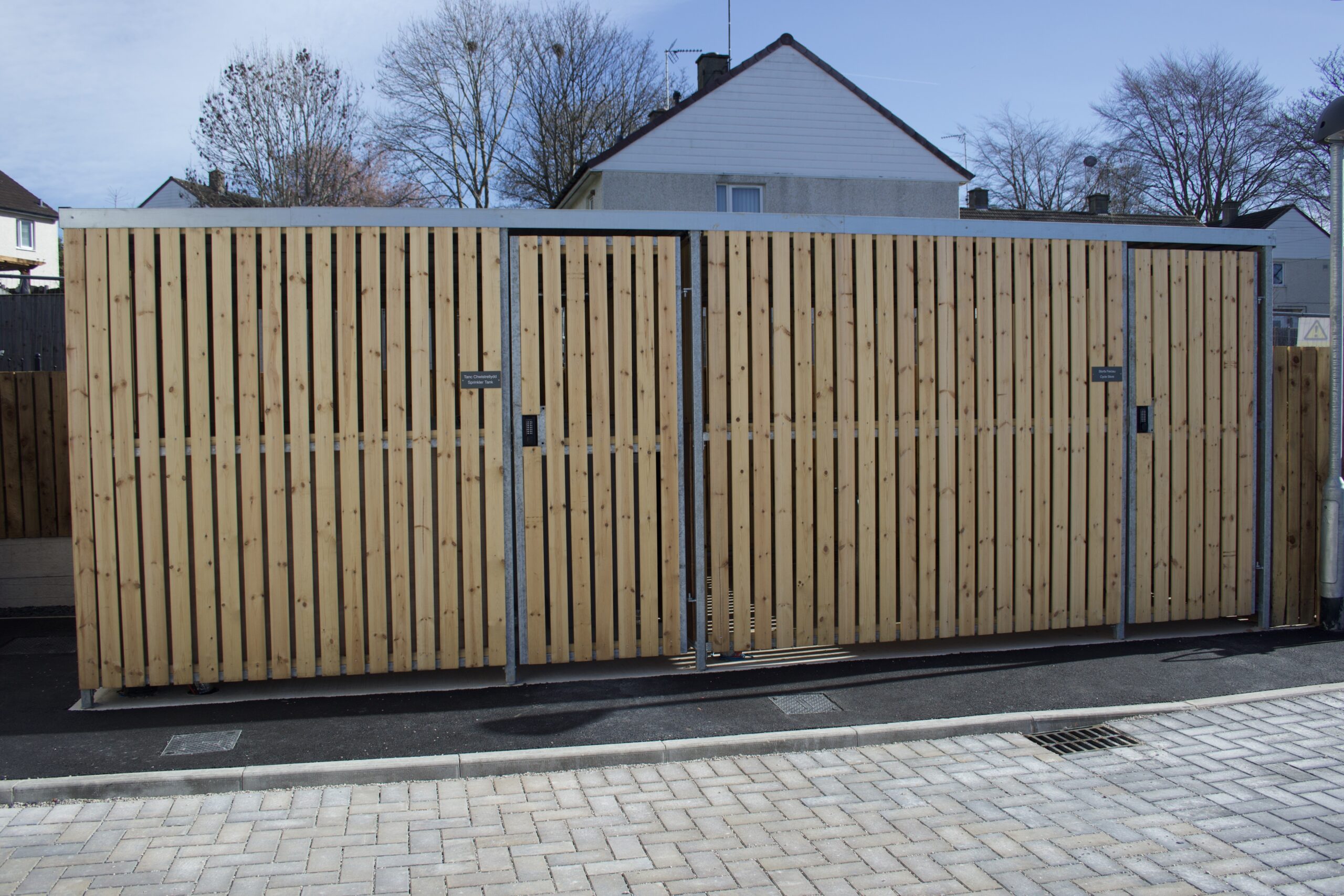
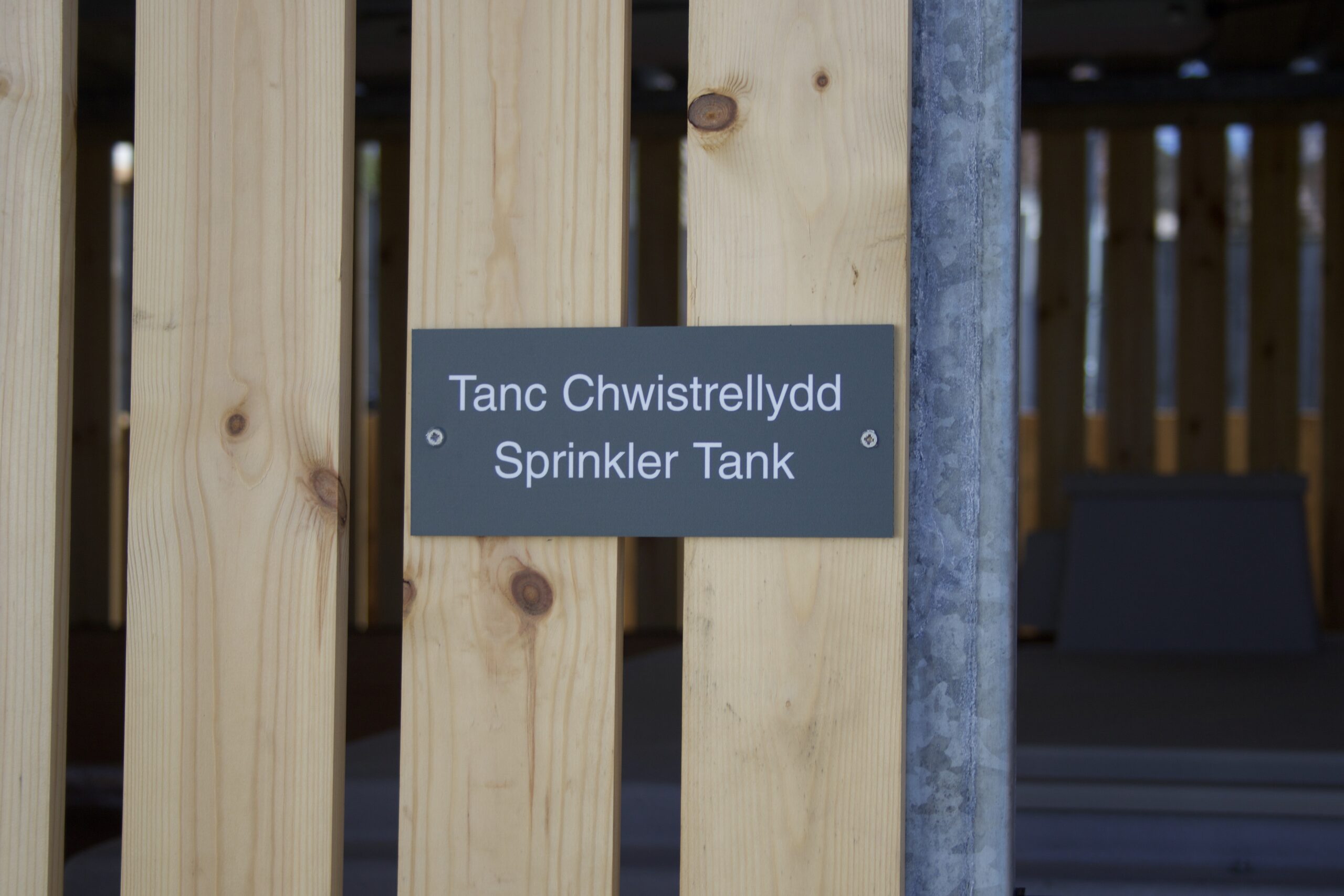
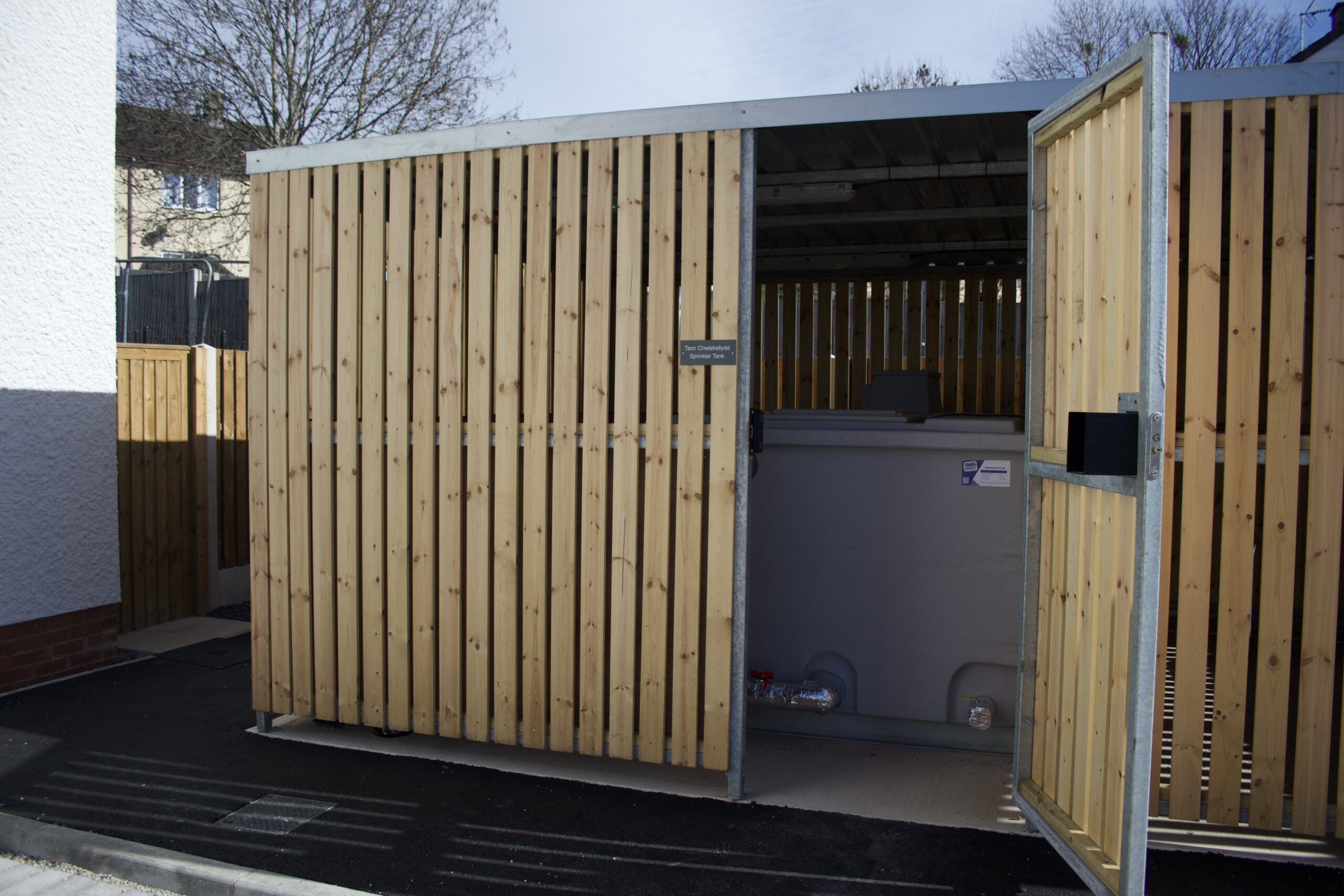
Eaton Drive Wrexham Cycle & Water Tank Shelter Install
At Ty Abenbury on Eaton Drive, this project formed part of a carefully considered residential development designed to deliver high-quality, energy-efficient accommodation within a modern urban setting. The scheme comprises 16 one-bedroom apartments arranged over 3 storeys using timber frame construction, with one floor dedicated to secure housing provision for Wrexham County Borough Council. Built on the site of a former community centre, the project began with full demolition, followed by extensive site preparation including cut and fill operations, retaining works, piling and the installation of a raft slab foundation system to ensure long-term structural integrity.
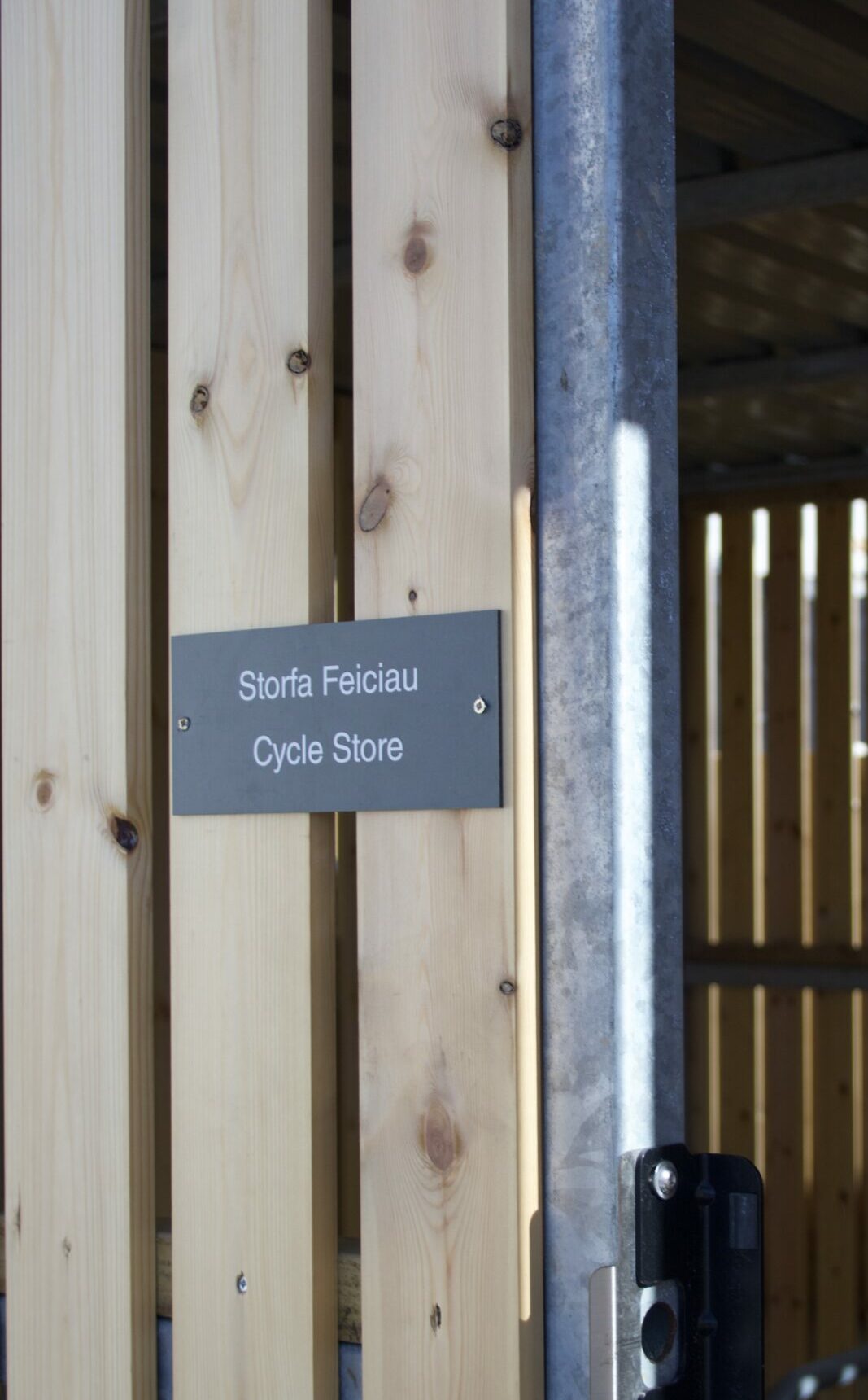
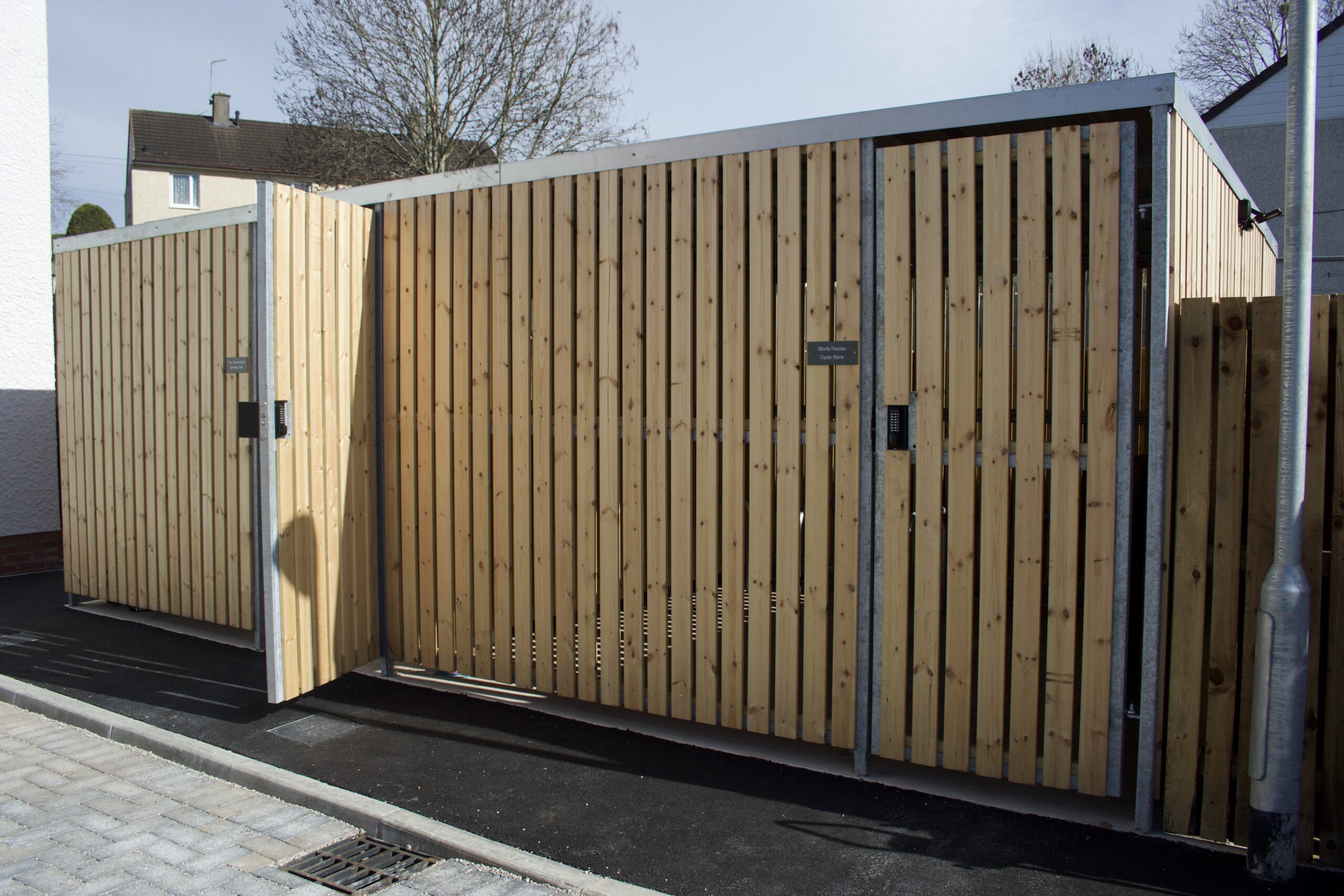
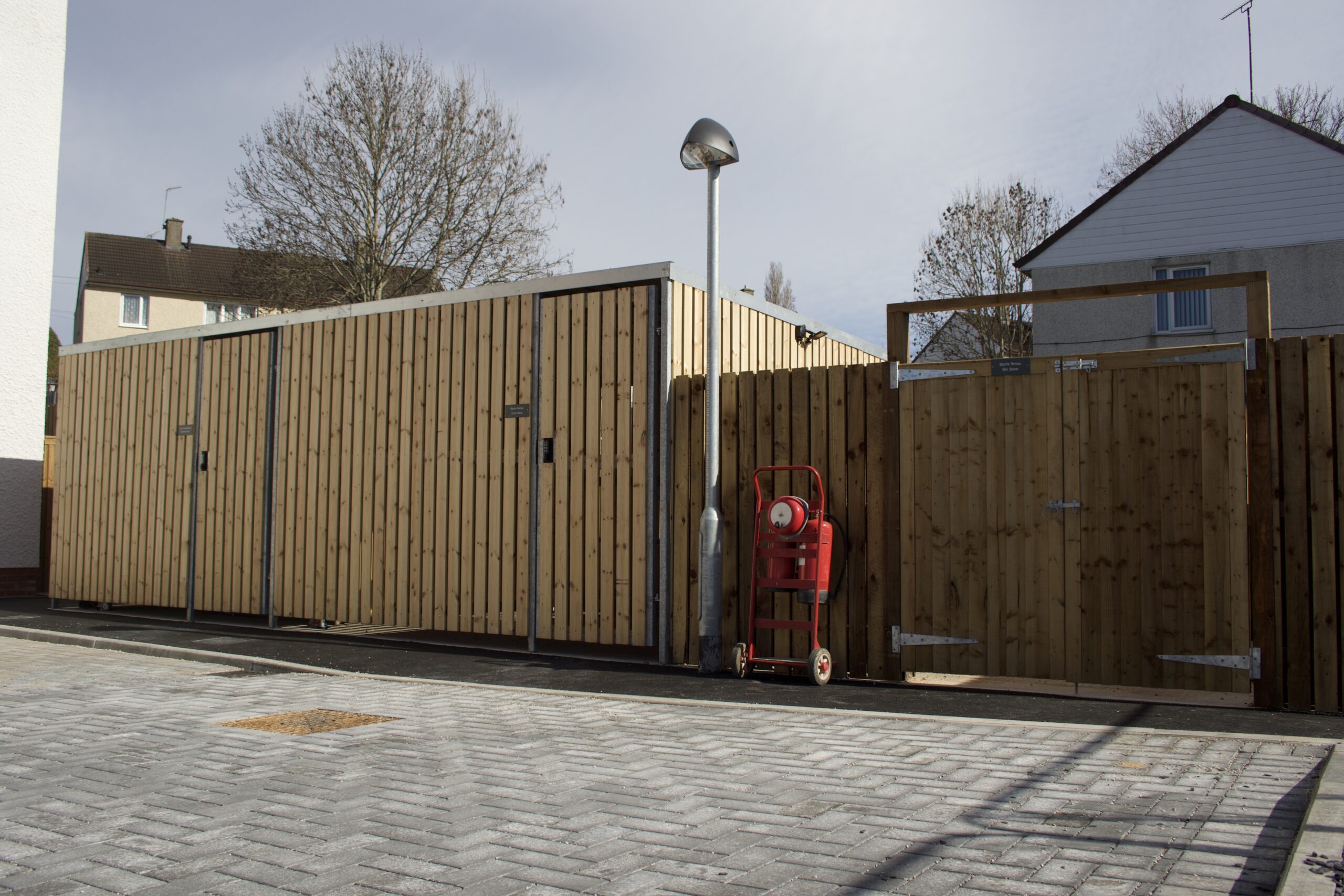
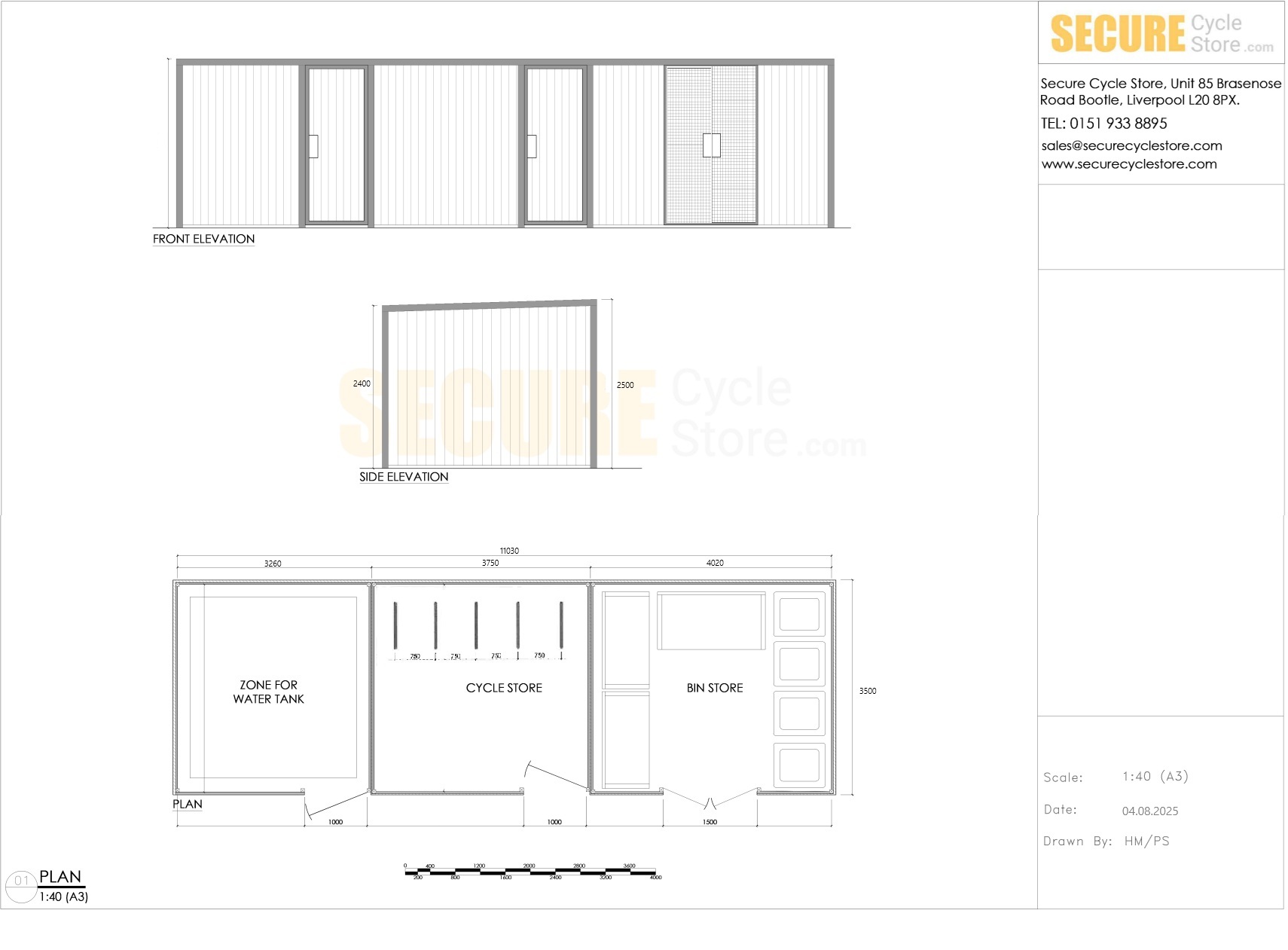
As part of the external works, we were appointed to design, supply and install a Bespoke Combined Trinity Timber Cycle Shelter and Water Tank Store, tailored precisely to the client’s drawings and spatial requirements. The structure measures 7007mm wide by 3828mm deep and 2500mm high, providing a practical and visually cohesive solution that integrates seamlessly with the wider development.
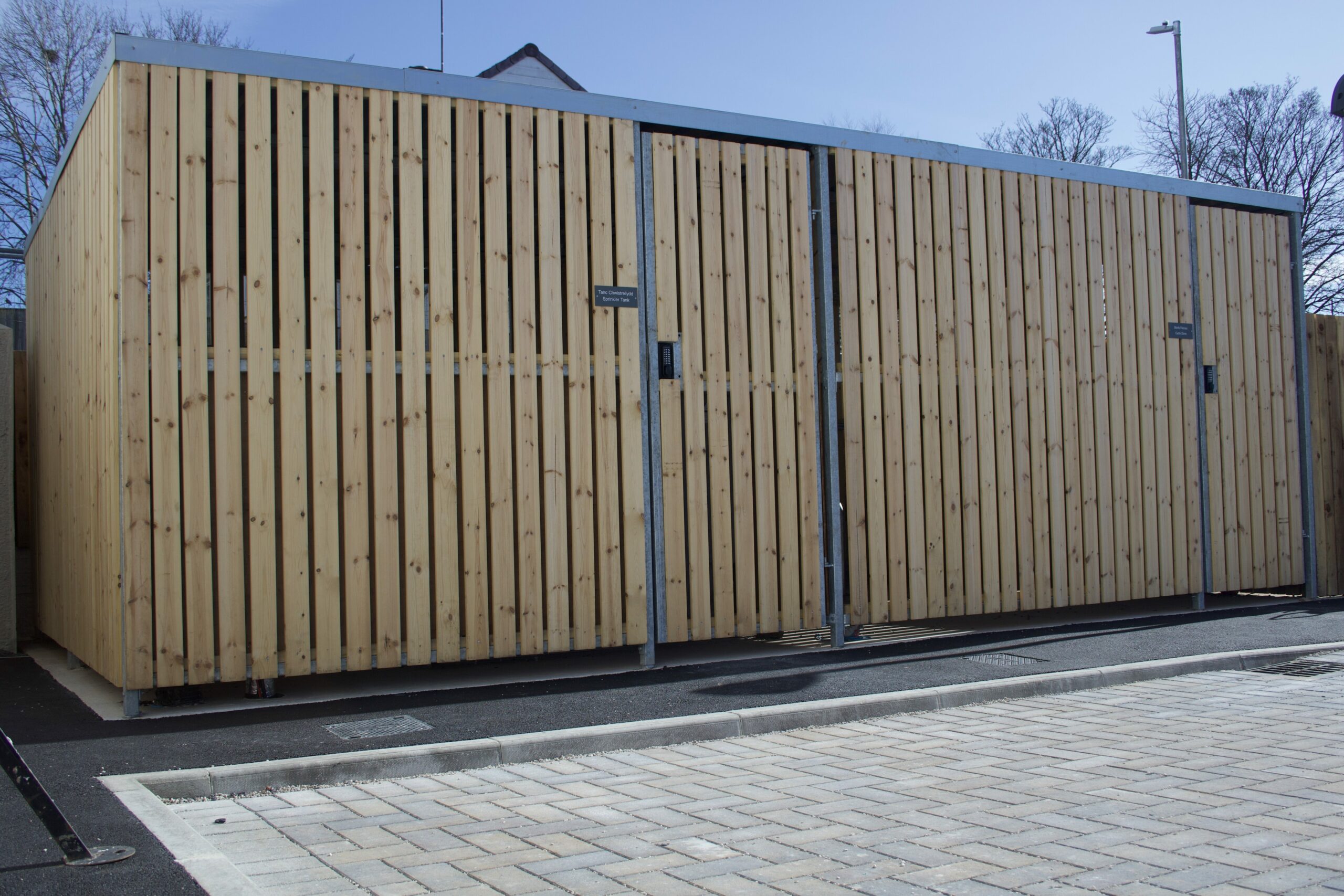
The shelter is constructed around a robust galvanised steel framework, ensuring durability and resilience against the elements. Externally, the structure is fully clad in PAR treated timber using a hit-and-miss configuration, offering a balance of privacy, ventilation, and a natural aesthetic that complements the surrounding architecture. Both the cycle storage area and the tank store are accessed via individual timber clad single swing gates, each fitted with a digital combination lock to provide secure, controlled access for users.
The roof structure is formed using galvanised box profile sheets, complete with carefully detailed flashings to the front and sides to enhance weather protection and provide a clean, professional finish. Internally, the cycle shelter is fitted with 5 Sheffield Cycle Stands, creating secure and organised storage for up to 10 bicycles. The layout was developed to maximise efficiency within the available footprint, ensuring ease of access and day-to-day usability for residents.
This project highlights the importance of bespoke design and careful integration within modern residential developments. The combined cycle shelter and tank store not only meets practical storage requirements but also enhances the overall appearance and functionality of the site. By supporting secure cycle storage and sustainable transport choices, the installation contributes to the broader environmental objectives of the development while delivering a durable, high-quality solution for long-term use.
Great job done from ordering, advice, delivery and construction. Two man crew worked solidly from 7 am to 1pm, refused all offers of coffee and got the bike shelter built despite high winds and rain. Also dismantled our old bike rack.
Excellent company to deal with, all queries and questions answered promptly. Very happy with the service. Very quick delivery from order, the cycle repair stands were well packed and protected and secured to the pallet for transport.
Peter and Joanne were excellent to deal with and hopefully will be dealing with them again to purchase more units.
We received this and it was exactly as described, arrived quickly and securely. The company were a pleasure to deal with and throughout our order made sure we were kept up to date regarding delivery times. An all round great service.

/tcs/uploads/categories/20260106-09-59-00_2452a0ee-5d2f-4f0a-ad18-1d653e48926a.jpg)
/tcs/uploads/categories/20260106-09-24-54_fa149ae6-6b92-41a2-8c58-6872c3f98f46.jpg)
/tcs/uploads/categories/20260420-14-42-55_6x4-pent-2.jpeg)
/tcs/uploads/categories/cycle-storage-cycle-lockers.jpeg)
/tcs/uploads/categories/20260420-14-39-09_parkis-5.jpg)
/tcs/uploads/categories/20260106-09-51-52_img-1458.jpg)
/tcs/uploads/categories/cycle-storage-bike-pump-repair-stands.jpeg)
/tcs/uploads/categories/20260420-14-44-33_whatsapp-image-2026-02-24-at-131821-4.jpeg)